

Exploring Different Types of Bolt Cold Forging Machines: A Comprehensive Guide for Manufacturers
May 05,2025


Author:
Summary:
Exploring Different Types of Bolt Cold Forging Machines
Manufacturers today face increasing demands for precision and efficiency in the production of fasteners, particularly bolts. **Bolt cold forging machines** have become essential tools in the manufacturing process, enabling the creation of high-quality bolts with superior strength and durability. This article provides an in-depth exploration o
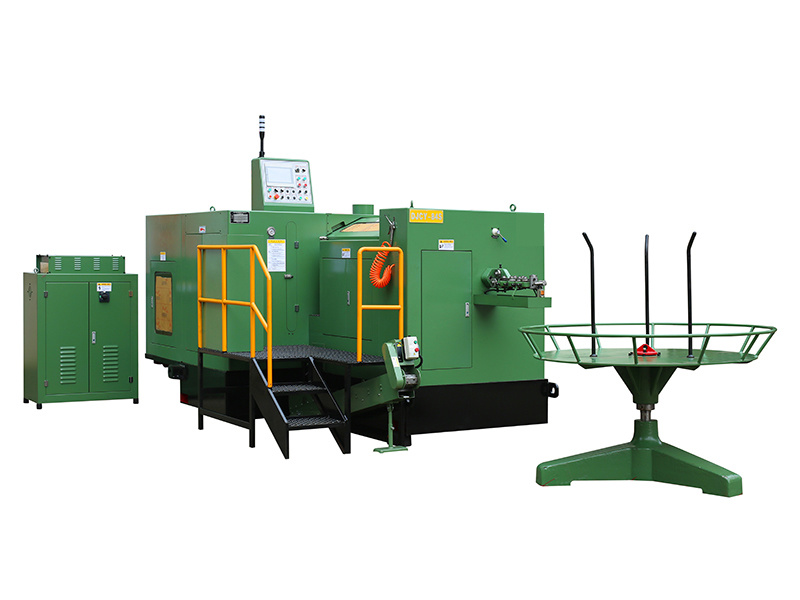
Exploring Different Types of Bolt Cold Forging Machines
Manufacturers today face increasing demands for precision and efficiency in the production of fasteners, particularly bolts. **Bolt cold forging machines** have become essential tools in the manufacturing process, enabling the creation of high-quality bolts with superior strength and durability. This article provides an in-depth exploration of the different types of bolt cold forging machines available in the market, their applications, and critical considerations for manufacturers.
Table of Contents
- 1. Introduction to Bolt Cold Forging Machines
- 2. What is Cold Forging?
- 3. Benefits of Using Cold Forging Machines for Bolt Production
- 4. Types of Bolt Cold Forging Machines
- 4.1 Simple Bolt Cold Forging Machines
- 4.2 Multi-Station Bolt Forging Machines
- 4.3 Hydraulic Bolt Forging Machines
- 4.4 Mechanical Bolt Forging Machines
- 4.5 Specialized Bolt Forging Machines
- 5. Factors to Consider When Choosing a Bolt Cold Forging Machine
- 6. Applications of Bolt Cold Forging Machines
- 7. Maintaining Your Bolt Cold Forging Machine
- 8. The Future of Cold Forging Technology in Manufacturing
- 9. Frequently Asked Questions
- 10. Conclusion
1. Introduction to Bolt Cold Forging Machines
**Bolt cold forging machines** are designed to shape and form metal into the desired bolt specifications without the application of heat. This method significantly enhances the mechanical properties of the metal, resulting in stronger and more durable bolts. Understanding the different types of these machines is crucial for manufacturers looking to optimize their operations and improve product quality.
2. What is Cold Forging?
Cold forging is a manufacturing process that involves deforming metal at room temperature. This technique can produce components that require high strength and excellent surface finish. In the context of bolt manufacturing, cold forging allows for the efficient mass production of fasteners with precise dimensions and reduced material waste.
This process relies on **high pressure** to shape the metal, which leads to enhanced grain structure and mechanical properties. As a result, bolts produced via cold forging are often preferred in critical applications such as automotive, aerospace, and construction due to their superior strength.
3. Benefits of Using Cold Forging Machines for Bolt Production
Manufacturers who utilize **bolt cold forging machines** enjoy several benefits:
- **Cost Efficiency**: Cold forging requires less energy compared to other manufacturing processes, translating into lower production costs.
- **Material Utilization**: This method minimizes scrap material, making it an environmentally friendly option.
- **Enhanced Mechanical Properties**: Cold forging often results in a finer grain structure, improving the strength and durability of the bolts.
- **Precision**: The cold forging process allows for tight tolerances and excellent surface finishes, which are critical for fasteners.
- **Increased Production Speed**: Automated cold forging machines can operate continuously, significantly increasing output.
4. Types of Bolt Cold Forging Machines
Understanding the various types of bolt cold forging machines is essential for manufacturers seeking to enhance their production capabilities. Here’s a detailed look at the different types:
4.1 Simple Bolt Cold Forging Machines
**Simple bolt cold forging machines** are designed for straightforward bolt production processes. These machines typically handle the basic operations required to form bolts, such as heading and trimming. They are ideal for small to medium-scale manufacturing needs.
4.2 Multi-Station Bolt Forging Machines
**Multi-station bolt forging machines** are advanced systems that allow for multiple operations to be performed in one cycle. These machines can simultaneously carry out various tasks such as heading, forming, and threading, enhancing efficiency and reducing production time. They are particularly beneficial for high-volume production environments.
4.3 Hydraulic Bolt Forging Machines
**Hydraulic bolt forging machines** utilize hydraulic pressure to shape metal. This type of machine is known for its ability to handle complex shapes and larger materials. Hydraulic machines are often more flexible in terms of the types of bolts that can be produced, making them suitable for specialized applications.
4.4 Mechanical Bolt Forging Machines
**Mechanical bolt forging machines** rely on mechanical force, often through the use of gears and levers, to shape the metal. These machines are known for their robustness and ability to produce high-quality bolts at a rapid pace. They are often preferred for the mass production of standard bolt sizes.
4.5 Specialized Bolt Forging Machines
**Specialized bolt forging machines** are tailored for specific applications or unique bolt designs. These machines may incorporate advanced technology, such as CNC (Computer Numerical Control), to achieve high precision in the manufacturing process. They are valuable for manufacturers producing custom or less common bolt types.
5. Factors to Consider When Choosing a Bolt Cold Forging Machine
Selecting the right bolt cold forging machine is a critical decision for manufacturers. Several factors should be taken into account:
- **Production Volume**: Consider the scale of production. High-volume needs may require multi-station or hydraulic machines.
- **Material Type**: Different machines may be suited for various materials. Ensure the machine can handle the specific metal alloys you plan to use.
- **Complexity of Design**: If producing specialized bolts, opt for machines that allow for customization and intricate designs.
- **Budget**: Evaluate your budget for machinery. While initial costs are important, consider the long-term savings from efficiency and reduced waste.
- **Maintenance and Support**: Choose machines from reputable manufacturers that offer good after-sales support and maintenance services.
6. Applications of Bolt Cold Forging Machines
Bolt cold forging machines are utilized across various industries due to their ability to produce high-quality fasteners. Some common applications include:
- **Automotive Industry**: Used to manufacture bolts and fasteners for vehicles, ensuring safety and reliability.
- **Aerospace Sector**: Fasteners produced for aircraft must meet stringent quality standards; cold forging helps achieve this.
- **Construction**: Bolts are essential for structural integrity, and cold forging provides the strength needed for construction applications.
- **Machinery Manufacturing**: Bolts are critical components in many machines, and cold forging ensures their durability.
7. Maintaining Your Bolt Cold Forging Machine
Proper maintenance of bolt cold forging machines is essential to ensure longevity and efficient operation. Here are some tips:
- **Regular Inspections**: Conduct routine checks to identify wear and tear on components.
- **Lubrication**: Ensure that moving parts are adequately lubricated to reduce friction and wear.
- **Cleaning**: Keep the machine clean to prevent build-up of debris that can affect performance.
- **Calibration**: Regularly calibrate the machine to maintain precision in production.
8. The Future of Cold Forging Technology in Manufacturing
The cold forging industry is poised for significant advancements in technology. Innovations such as **automation**, **smart manufacturing**, and **sustainability practices** are likely to shape the future landscape of bolt production. As manufacturers seek greater efficiency and quality, embracing these technological trends will be vital.
9. Frequently Asked Questions
What is the difference between cold forging and hot forging?
Cold forging is performed at room temperature, resulting in stronger parts due to work hardening, while hot forging occurs at elevated temperatures, allowing for easier deformation.
How does cold forging improve the strength of bolts?
The cold forging process enhances the grain structure of the metal, resulting in increased strength and durability of the final product.
What types of materials are suitable for cold forging?
Common materials for cold forging include carbon steel, stainless steel, and aluminum alloys.
Can cold forging machines produce custom bolt designs?
Yes, specialized cold forging machines can be tailored to produce custom bolt designs as per the manufacturer's specifications.
What is the typical lifespan of a bolt cold forging machine?
With proper maintenance, a bolt cold forging machine can last for several years, often exceeding a decade in high-production environments.
10. Conclusion
In conclusion, **bolt cold forging machines** play a pivotal role in modern manufacturing processes, providing efficiency, precision, and superior product quality. Understanding the various types of machines available and the factors to consider when choosing one can significantly impact a manufacturer’s success. As technology continues to evolve, these machines will remain essential for producing high-quality bolts across diverse industries. By investing in the right cold forging technology, manufacturers can enhance their production capabilities and meet the growing demands of the market.
Get A Quote
We will contact you within one working day. Please pay attention to your email.
Latest News
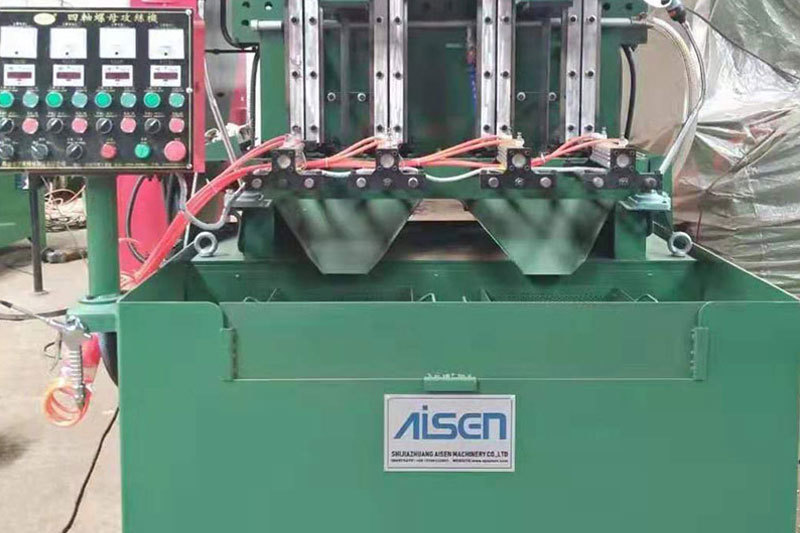
AISEN Four axis nut tapping machine ready for shipment to Russia
Four axis nut tapping machine for DIN934 M8,M10 Standard hex nut is ready for shipping to Russia by land transportation.
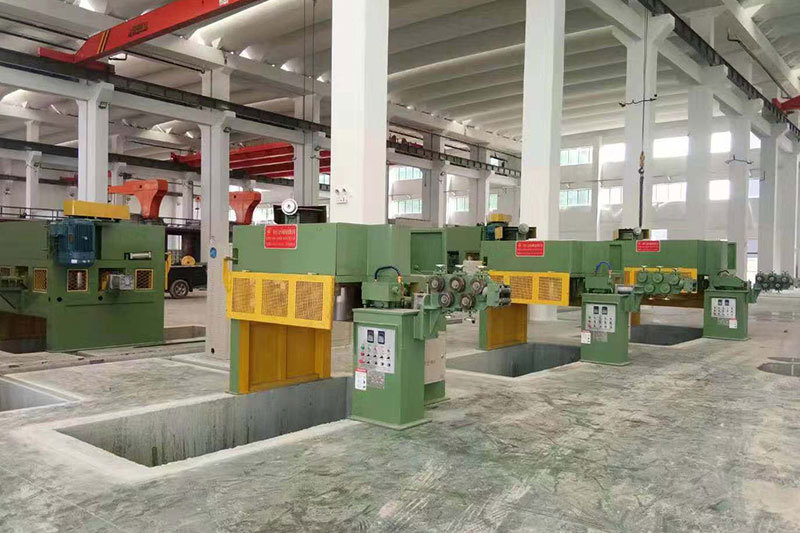
AISEN machinery inverted wire drawing machine
We hope to cooperate with more customers for mutual development and benefits. You are welcome to contact us
MESSAGES
We will contact you within one working day. Please pay attention to your email.
Qucik Link
Contact
Phone: +86-15100123091
E-mail: info@sjzaisen.com
Address: No.41 Zhaiying South Street, Yuhua District, Shijiazhuang City, Hebei Province China