

Understanding the Process: How Inverted Wire Drawing Machines Operate
Sep 08,2025


Author:
Summary:
Understanding the Process: How Inverted Wire Drawing Machines Operate
Table of Contents
1. Introduction to Inverted Wire Drawing Machines
2. What is an Inverted Wire Drawing Machine?
3. How Inverted Wire Drawing Machines Work
4. Key Components of Inverted Wire Drawing Machines
5. The Process of Inverted Wire Drawing
6. Advantages of Using Inverted Wire Drawing Machines
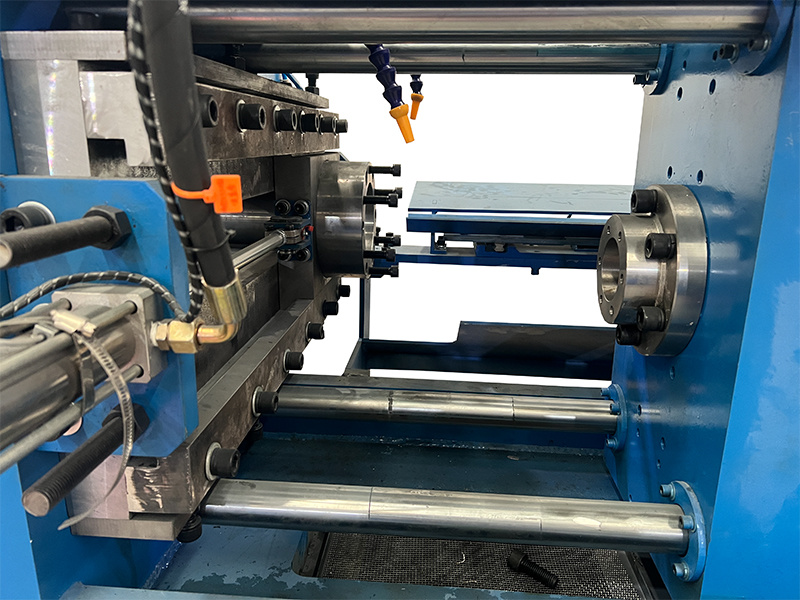
Understanding the Process: How Inverted Wire Drawing Machines Operate
Table of Contents
- 1. Introduction to Inverted Wire Drawing Machines
- 2. What is an Inverted Wire Drawing Machine?
- 3. How Inverted Wire Drawing Machines Work
- 4. Key Components of Inverted Wire Drawing Machines
- 5. The Process of Inverted Wire Drawing
- 6. Advantages of Using Inverted Wire Drawing Machines
- 7. Applications of Inverted Wire Drawing Machines
- 8. The Future of Metal Processing with Inverted Wire Drawing Technology
- 9. Frequently Asked Questions
- 10. Conclusion
1. Introduction to Inverted Wire Drawing Machines
In the realm of metal processing, **inverted wire drawing machines** stand out as pivotal equipment designed to enhance productivity and precision in wire manufacturing. These machines facilitate the drawing of metal wire through a series of dies, significantly altering the wire's diameter and physical properties. In this article, we will delve into the intricacies of how inverted wire drawing machines function, their advantages, and their applications in various industries.
2. What is an Inverted Wire Drawing Machine?
An inverted wire drawing machine is a type of industrial equipment that specializes in reducing the diameter of metal wire through a unique method that inverts traditional drawing processes. Unlike conventional wire drawing machines where the wire is pulled through the die, inverted machines employ a different approach that allows for greater control and efficiency. This process not only enhances the mechanical properties of the wire but also minimizes the risk of defects.
2.1 Key Characteristics of Inverted Wire Drawing Machines
- **Inverted Drawing Process**: The wire is pushed through the die rather than pulled, which can reduce friction and wear on components.
- **High Precision**: Designed for accuracy, these machines minimize tolerance deviations, ensuring high-quality output.
- **Versatility**: Can accommodate various metal types, including steel, copper, and aluminum, making them suitable for diverse applications.
3. How Inverted Wire Drawing Machines Work
The operation of inverted wire drawing machines is a blend of mechanical engineering and advanced technology. Understanding this operation requires a look at the underlying mechanics involved in the drawing process.
3.1 The Drawing Process
The drawing process in inverted wire drawing machines involves several critical steps:
1. **Feed Mechanism**: The wire is fed into the machine through a hopper and is held in place by a clamping device.
2. **Die Entry**: The wire moves towards the die, where its diameter will be reduced.
3. **Drawing Mechanism**: Unlike traditional machines, the inverted system pushes the wire through the die. This push method allows for a more stable operation and reduces stress on the wire.
4. **Cooling and Lubrication**: As the wire is drawn, it may generate heat. Cooling systems and lubricants are often employed to mitigate heat buildup and friction, ensuring a smoother drawing process.
5. **Reel Collection**: After passing through the die, the finished wire is wound onto reels for further processing or distribution.
4. Key Components of Inverted Wire Drawing Machines
To appreciate the functionality of inverted wire drawing machines, it is essential to understand their key components:
4.1 Die Assembly
The die assembly is crucial, as it determines the final diameter and quality of the wire. The design and material of the die directly influence the efficiency of the drawing process.
4.2 Drive Mechanism
The drive mechanism provides the necessary force to push the wire through the die. This component can vary from hydraulic systems to electric motors, depending on the machine's design and purpose.
4.3 Cooling and Lubrication System
Effective cooling and lubrication are vital to prevent overheating and wear. This system ensures that the wire maintains its integrity during the drawing process.
4.4 Control System
Modern inverted wire drawing machines often include advanced control systems that allow operators to monitor and adjust parameters such as speed, tension, and lubrication levels in real-time.
5. The Process of Inverted Wire Drawing
The process of inverted wire drawing can be broken down into several stages, each critical for ensuring the quality of the final product.
5.1 Preparation of Raw Material
Before the wire enters the drawing machine, it must be prepared. This includes cutting the raw material to the appropriate length and ensuring its surface is free from contaminants.
5.2 Initial Drawing
In the initial phase, the wire is drawn through a larger die to establish a baseline diameter. This step is essential for setting the stage for subsequent processes.
5.3 Progressive Drawing
As the wire progresses through the machine, it is subjected to a series of dies that gradually reduce its diameter. This staged approach minimizes stress on the wire and improves overall quality.
5.4 Final Quality Assessment
After the drawing process is complete, the wire undergoes rigorous quality checks, including tensile strength tests and surface inspections, ensuring it meets industry standards.
6. Advantages of Using Inverted Wire Drawing Machines
Inverted wire drawing machines offer several benefits that make them a preferred choice in metal processing:
6.1 Enhanced Efficiency
The inverted drawing process allows for faster operation, reducing production time and thereby increasing overall productivity.
6.2 Improved Quality
By minimizing friction and stress during the drawing process, inverted machines produce higher quality wires with fewer defects.
6.3 Cost-Effectiveness
While the initial investment may be higher, the long-term cost savings from reduced material waste and increased production efficiency make inverted wire drawing machines economically favorable.
7. Applications of Inverted Wire Drawing Machines
Inverted wire drawing machines are utilized across various industries, including:
7.1 Electrical Wire Manufacturing
The electrical sector relies on high-quality wires for conductivity and safety, making inverted machines essential for producing reliable electrical wiring.
7.2 Automotive Components
From springs to cables, the automotive industry benefits from the precision and durability offered by inverted wire drawing technology.
7.3 Construction and Infrastructure
High-strength wires produced through inverted drawing find applications in construction, reinforcing structures and ensuring durability.
8. The Future of Metal Processing with Inverted Wire Drawing Technology
The landscape of metal processing is continuously evolving, with inverted wire drawing machines at the forefront of innovation. As industries demand higher quality and environmentally sustainable solutions, these machines are likely to incorporate more advanced technologies, such as automation and AI-driven monitoring systems, to enhance their efficiency and effectiveness.
9. Frequently Asked Questions
9.1 What types of metals can be processed with inverted wire drawing machines?
Inverted wire drawing machines can process various metals, including steel, copper, aluminum, and their alloys.
9.2 How does inverted wire drawing differ from traditional wire drawing?
The key difference lies in the drawing method; inverted machines push the wire through the die, reducing friction and improving control compared to the pull method used in traditional machines.
9.3 What are the typical sizes of wire produced using inverted wire drawing machines?
The sizes can vary widely depending on the specific machine and die used, typically ranging from fine wire for electrical applications to thicker wire for construction.
9.4 How do I maintain an inverted wire drawing machine?
Regular maintenance involves checking the lubrication system, inspecting the dies for wear, and ensuring the drive mechanism is functioning correctly.
9.5 Are inverted wire drawing machines energy-efficient?
Yes, due to their design and operation, inverted wire drawing machines are often more energy-efficient than traditional machines, leading to lower operational costs.
10. Conclusion
Understanding the operation and benefits of inverted wire drawing machines is crucial for those involved in the metal processing industry. Their innovative approach offers significant advantages in efficiency, quality, and cost-effectiveness. As technology continues to advance, these machines will play an increasingly vital role in meeting the demands of various sectors, ensuring the production of high-quality metal wire that meets the rigorous standards of modern applications.
Get A Quote
We will contact you within one working day. Please pay attention to your email.
Latest News
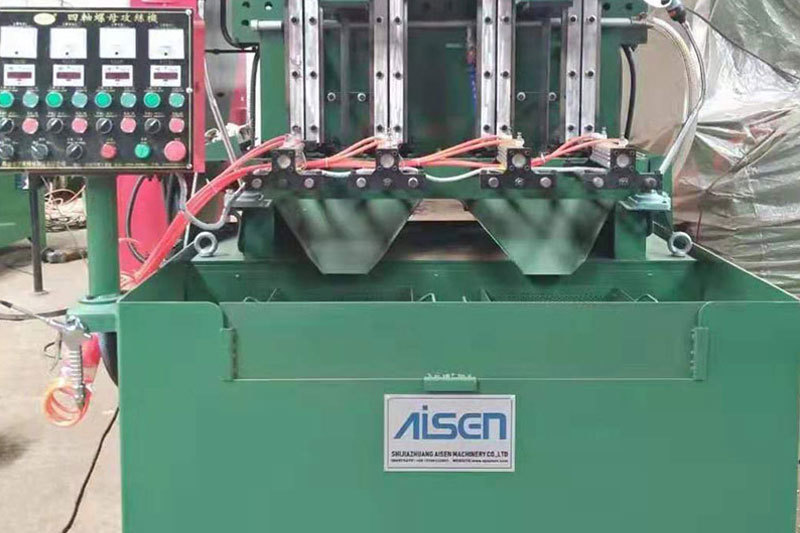
AISEN Four axis nut tapping machine ready for shipment to Russia
Four axis nut tapping machine for DIN934 M8,M10 Standard hex nut is ready for shipping to Russia by land transportation.
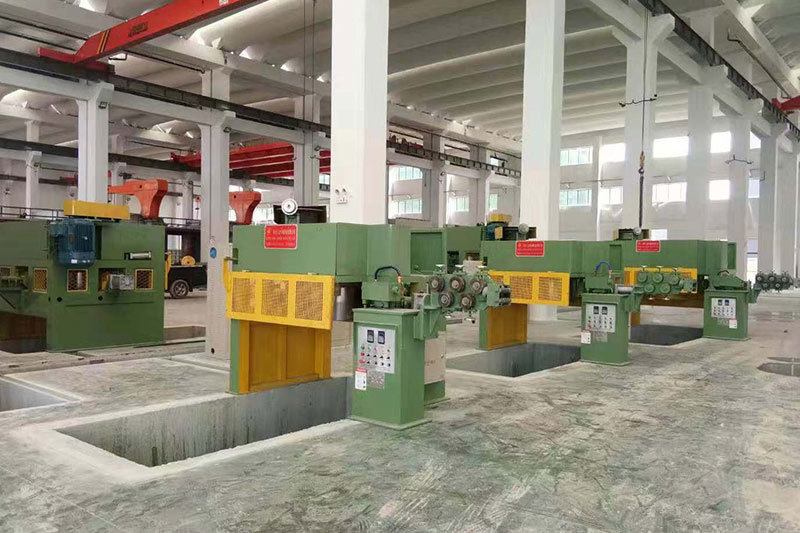
AISEN machinery inverted wire drawing machine
We hope to cooperate with more customers for mutual development and benefits. You are welcome to contact us
MESSAGES
We will contact you within one working day. Please pay attention to your email.
Qucik Link
Contact
Phone: +86-15100123091
E-mail: info@sjzaisen.com
Address: No.41 Zhaiying South Street, Yuhua District, Shijiazhuang City, Hebei Province China