

Troubleshooting Common Issues with Inverted Wire Drawing Machines: A Comprehensive Guide
Oct 09,2025


Author:
Summary:
Troubleshooting Common Issues with Inverted Wire Drawing Machines
Inverted wire drawing machines play a critical role in the manufacturing and processing of metal wires. These specialized machines are designed for efficiency, precision, and reliability, yet they can encounter several common issues that may disrupt production. Understanding how to troubleshoot these problems is essential for mainta
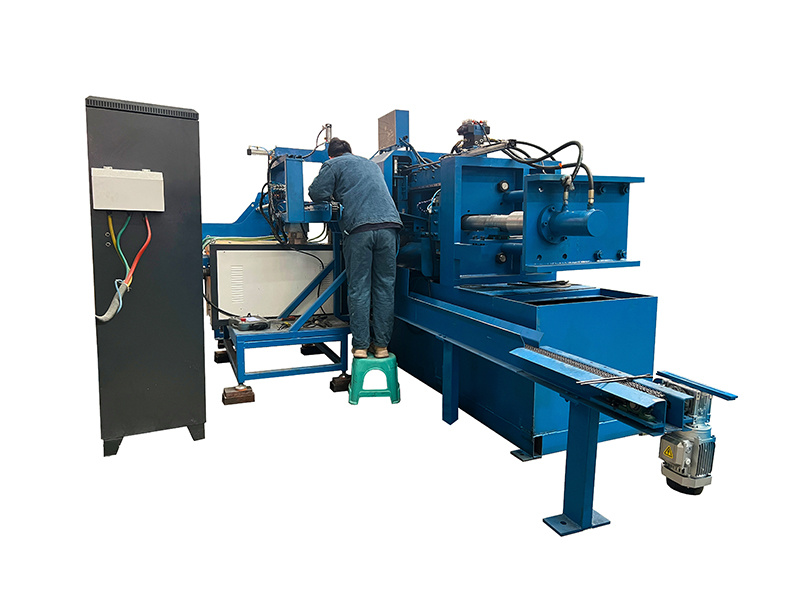
Troubleshooting Common Issues with Inverted Wire Drawing Machines
Inverted wire drawing machines play a critical role in the manufacturing and processing of metal wires. These specialized machines are designed for efficiency, precision, and reliability, yet they can encounter several common issues that may disrupt production. Understanding how to troubleshoot these problems is essential for maintaining optimal operation and minimizing downtime. In this article, we will explore the frequent challenges faced by operators and provide detailed solutions to ensure your inverted wire drawing machines are running smoothly.
Table of Contents
- 1. Introduction to Inverted Wire Drawing Machines
- 2. Common Issues Encountered
- 3. Preventative Maintenance Tips
- 4. Troubleshooting Guide
- 5. Expert Advice for Operators
- 6. Conclusion
- 7. Frequently Asked Questions
1. Introduction to Inverted Wire Drawing Machines
Inverted wire drawing machines are designed to reduce the diameter of wire through a series of drawing processes. Unlike traditional wire drawing machines, inverted models offer unique advantages such as improved material handling and enhanced drawing capabilities. These machines are utilized extensively in industries that require high-quality wire, including telecommunications, automotive, and construction.
Understanding the functioning of inverted wire drawing machines is essential for troubleshooting. These machines work by pulling wire through a series of dies, progressively reducing its diameter while maintaining strength and integrity. However, as with any complex machinery, operators may encounter various issues that require quick identification and resolution.
2. Common Issues Encountered
Despite their advanced design, inverted wire drawing machines can experience several common issues that may hamper production efficiency. Recognizing these problems early can help minimize downtime and repair costs.
2.1 Wire Breakage
Wire breakage is one of the most prevalent issues faced during the wire drawing process. It can occur due to several factors, including:
- **Inadequate lubrication**: Insufficient lubrication can lead to excessive friction, causing the wire to break.
- **Improper die alignment**: Misalignment of the dies can cause uneven stress on the wire, leading to fractures.
- **Material defects**: Flaws in the raw material can result in weak points that are prone to breaking during the drawing process.
2.2 Surface Imperfections
Surface imperfections, such as scratches, blemishes, or non-uniform finishes, can significantly affect the quality of the finished wire. Common causes include:
- **Die wear**: Worn dies can create uneven surfaces on the drawn wire.
- **Contaminants**: Dirt and debris can contaminate the wire, leading to surface defects.
- **Inconsistent tension**: Fluctuations in tension during the drawing process can cause irregularities on the wire's surface.
2.3 Drawbench Problems
Drawbench issues can manifest in several ways, impacting the overall performance of the inverted wire drawing machine. Typical problems include:
- **Overloading**: Excessive material load can strain the drawbench, leading to operational failures.
- **Mechanical wear**: Components within the drawbench may experience wear over time, causing inefficiencies.
- **Incorrect settings**: Operators may unintentionally set incorrect parameters, affecting the drawing process.
2.4 Machinery Vibration
Excessive vibration is another issue that can hinder the operation of inverted wire drawing machines. Vibration can lead to:
- **Loose components**: Loose bolts and fittings can exacerbate vibrations, leading to further machinery wear.
- **Misalignment**: Continuous vibration may result in misalignment of critical components, affecting overall operation.
- **Noise issues**: Excessive vibration can create unwanted noise, indicating underlying mechanical issues.
3. Preventative Maintenance Tips
Implementing a robust preventative maintenance program is crucial for minimizing the occurrence of common issues with inverted wire drawing machines. Here are several effective strategies:
- **Routine Inspections**: Regularly inspect machines for signs of wear and tear, including checking the integrity of components and lubrication levels.
- **Lubrication**: Ensure that all moving parts are adequately lubricated to reduce friction and wear. Implement a regular lubrication schedule.
- **Die Maintenance**: Monitor and replace dies as needed to maintain their performance and prevent surface imperfections.
- **Training**: Provide thorough training for operators on machine settings and maintenance protocols to ensure optimal performance.
4. Troubleshooting Guide
A systematic approach to troubleshooting is essential for quickly diagnosing and solving issues with inverted wire drawing machines.
4.1 Diagnosing Issues
When faced with a problem, consider the following diagnostic steps:
1. **Identify Symptoms**: Observe the machine's performance and identify specific symptoms such as noise, vibration, or wire quality issues.
2. **Check Settings**: Review machine settings to ensure they are configured correctly for the material and desired output.
3. **Examine Components**: Inspect the machine components for signs of wear, misalignment, or damage.
4. **Review Maintenance Records**: Assess maintenance logs to determine if regular upkeep has been performed and if any previous issues have been recorded.
4.2 Repair Solutions
Once the issue has been diagnosed, apply the following repair solutions:
- **Adjust Settings**: Correct any misconfigured settings to align with the material specifications and operational requirements.
- **Replace Worn Parts**: Swap out any worn or damaged components, including dies, bearings, and belts, to restore machine functionality.
- **Realign Components**: Re-align any misaligned parts to minimize vibrations and ensure smoother operation.
- **Lubrication**: Apply lubrication to critical areas to reduce friction and enhance performance.
5. Expert Advice for Operators
To optimize the performance of inverted wire drawing machines, consider these expert tips:
- **Regular Training**: Keep operators updated on the latest techniques and machine features to enhance productivity.
- **Utilize Technology**: Invest in monitoring technology that provides real-time data on machine performance, allowing for proactive maintenance.
- **Documentation**: Maintain comprehensive documentation of all operational procedures, maintenance schedules, and incident reports for reference and training purposes.
6. Conclusion
Troubleshooting common issues with inverted wire drawing machines is essential for maintaining a smooth production process. By understanding the typical challenges, implementing preventative maintenance strategies, and following a systematic troubleshooting approach, operators can effectively mitigate downtime and enhance overall efficiency. Continuous training and monitoring will further ensure that these machines perform at their best, delivering high-quality wire products essential for a range of industries.
7. Frequently Asked Questions
What is an inverted wire drawing machine?
An inverted wire drawing machine is a specialized machine that reduces the diameter of wire through a series of dies, designed for efficiency and precision in wire manufacturing.
What are the common causes of wire breakage in inverted wire drawing machines?
Common causes include inadequate lubrication, improper die alignment, and defects in the raw material used for wire production.
How can surface imperfections be minimized in the drawn wire?
Surface imperfections can be minimized by maintaining proper die maintenance, ensuring cleanliness to prevent contamination, and stabilizing tension during the drawing process.
What preventative maintenance steps should be taken for inverted wire drawing machines?
Regular inspections, lubrication, die maintenance, and training for operators are essential steps in preventative maintenance.
How can excessive vibration during operation be addressed?
Excessive vibration can be addressed by tightening loose components, realigning machinery, and inspecting for any mechanical wear that may contribute to the issue.
By following the guidelines outlined in this article, operators can effectively troubleshoot and resolve issues with inverted wire drawing machines, ensuring optimal performance and productivity in wire manufacturing processes.
Get A Quote
We will contact you within one working day. Please pay attention to your email.
Latest News
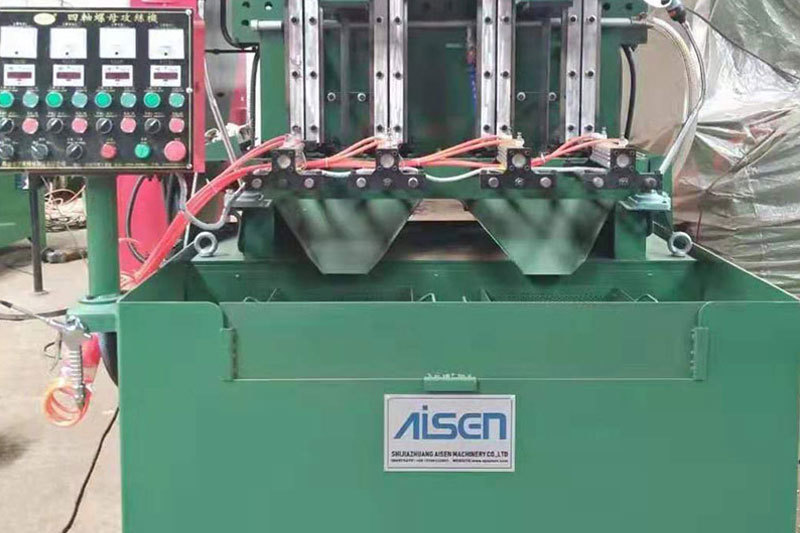
AISEN Four axis nut tapping machine ready for shipment to Russia
Four axis nut tapping machine for DIN934 M8,M10 Standard hex nut is ready for shipping to Russia by land transportation.
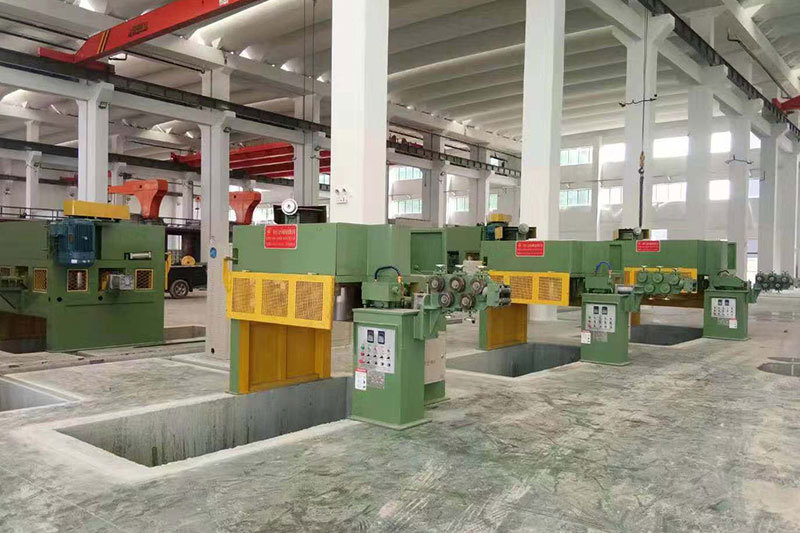
AISEN machinery inverted wire drawing machine
We hope to cooperate with more customers for mutual development and benefits. You are welcome to contact us
MESSAGES
We will contact you within one working day. Please pay attention to your email.
Qucik Link
Contact
Phone: +86-15100123091
E-mail: info@sjzaisen.com
Address: No.41 Zhaiying South Street, Yuhua District, Shijiazhuang City, Hebei Province China