

The Essential Guide to Hexagon Square Rod Straighteners for Manufacturing Excellence
Oct 13,2025


Summary:
The Essential Guide to Hexagon Square Rod Straighteners for Manufacturing Excellence
Table of Contents
1. Introduction to Hexagon Square Rod Straighteners
2. Understanding Hexagon Square Rod Straighteners
3. Benefits of Using Hexagon Square Rod Straighteners in Manufacturing
4. Types of Hexagon Square Rod Straighteners
5. Operational Principles of Hexagon Square Rod Straighten
The Essential Guide to Hexagon Square Rod Straighteners for Manufacturing Excellence
Table of Contents
- 1. Introduction to Hexagon Square Rod Straighteners
- 2. Understanding Hexagon Square Rod Straighteners
- 3. Benefits of Using Hexagon Square Rod Straighteners in Manufacturing
- 4. Types of Hexagon Square Rod Straighteners
- 5. Operational Principles of Hexagon Square Rod Straighteners
- 6. Maintenance Tips for Longevity and Efficiency
- 7. Common Issues with Hexagon Square Rod Straighteners and Solutions
- 8. Future Trends in Hexagon Square Rod Straightening Technology
- 9. Conclusion
- 10. Frequently Asked Questions (FAQs)
1. Introduction to Hexagon Square Rod Straighteners
In the realm of metal processing, achieving precision in the shaping of materials is paramount. **Hexagon square rod straighteners** play a critical role in ensuring that metal rods maintain their integrity during manufacturing. These machines are designed to correct bends and warps in hexagonal profiles, which is essential for achieving high-quality end products. This guide aims to provide comprehensive insights into their functionality, benefits, types, and much more.
2. Understanding Hexagon Square Rod Straighteners
Hexagon square rod straighteners are specialized machinery used to straighten metal rods that have been deformed during the manufacturing process. These machines apply controlled pressure to eliminate bends, ensuring that the rods are straight and meet exact specifications. Understanding how these straighteners operate is crucial for manufacturers aiming to optimize their production processes.
The Mechanics Behind Straightening
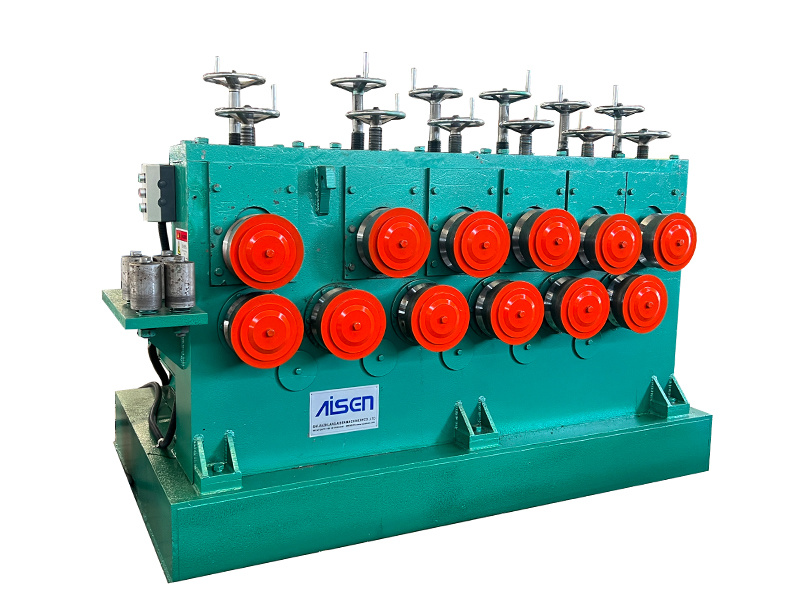
The mechanics of hexagon square rod straighteners involve a series of rollers and pressure mechanisms that guide the metal rods through a defined path. Typically, the process includes:
- **Entry and Alignment:** The bent rod is fed into the machine, where it is aligned by guiding rollers.
- **Straightening Process:** As the rod passes through the rollers, it encounters varying pressure points that gradually correct its shape.
- **Exit and Quality Check:** Once straightened, the rod is ejected from the machine, ready for further processing or quality checks.
3. Benefits of Using Hexagon Square Rod Straighteners in Manufacturing
The use of hexagon square rod straighteners brings numerous advantages to manufacturing operations, including:
Enhanced Product Quality
Straightened rods ensure that the end products meet industry standards for dimensional accuracy and structural integrity. This is particularly vital in sectors such as automotive, aerospace, and construction, where specifications are stringent.
Increased Efficiency
Integrating straighteners into the production line minimizes the need for post-processing corrections. This can lead to shorter production cycles and reduced labor costs, ultimately improving the bottom line.
Reduction of Material Wastage
By ensuring that rods are straightened correctly before being used in production, manufacturers can significantly reduce material wastage. This not only conserves resources but also contributes to more sustainable manufacturing practices.
4. Types of Hexagon Square Rod Straighteners
Several types of hexagon square rod straighteners cater to different manufacturing needs. Understanding these variations can help in selecting the right equipment for specific applications.
Mechanical Straighteners
Mechanical straighteners utilize a series of adjustable rollers to apply pressure on the rods as they pass through. These machines are known for their durability and ability to handle various rod dimensions.
Hydraulic Straighteners
Hydraulic straighteners offer precise control over the pressure applied to the rods, making them suitable for high-tolerance applications. These machines are often preferred for more delicate materials that require gentle handling.
Automatic versus Manual Straighteners
- **Automatic Straighteners:** These machines are equipped with advanced sensors and control systems to operate with minimal human intervention, allowing for higher throughput.
- **Manual Straighteners:** Typically less expensive, these require manual adjustment and operation, making them ideal for smaller workshops or specific tasks.
5. Operational Principles of Hexagon Square Rod Straighteners
Understanding the operational principles of hexagon square rod straighteners is essential for maximizing their effectiveness. Key components include:
Rollers and Pressure Mechanisms
The rollers are the heart of the straightening process. They come in various shapes and sizes tailored to the specific rod profiles being processed. The pressure mechanisms ensure that the rollers apply the correct force without damaging the material.
Control Systems
Modern straighteners are equipped with sophisticated control systems that monitor the straightening process in real-time. These systems can adjust the pressure and alignment automatically, ensuring optimal performance.
6. Maintenance Tips for Longevity and Efficiency
Regular maintenance is crucial for the longevity and efficiency of hexagon square rod straighteners. Here are some best practices:
Routine Inspections
Conducting regular inspections of rollers, pressure systems, and control mechanisms can help identify potential issues before they escalate. Look for wear and tear, and replace parts as necessary.
Lubrication
Proper lubrication of moving parts is essential to reduce friction and prevent overheating. Follow the manufacturer's guidelines regarding lubrication intervals and types of lubricants.
Calibration and Adjustments
Ensure that the machine is calibrated correctly for the specific rod dimensions being processed. Regular adjustments may be necessary to maintain accuracy, especially when switching between different rod profiles.
7. Common Issues with Hexagon Square Rod Straighteners and Solutions
Even with proper maintenance, manufacturers may encounter issues with their straighteners. Understanding common problems and their solutions can help reduce downtime.
Bending and Warping
If rods are still bending after passing through the straightener, it may be due to improper settings or worn-out rollers. Regularly check and replace rollers as needed and ensure the machine is correctly calibrated.
Uneven Straightening
Uneven straightening can occur if the pressure is not evenly distributed across the rollers. Ensure that the machine is level and that all rollers are functioning correctly to achieve uniform results.
8. Future Trends in Hexagon Square Rod Straightening Technology
As manufacturing continues to evolve, so too does the technology behind hexagon square rod straighteners. Emerging trends include:
Automation and AI Integration
The integration of artificial intelligence into straightening machines is becoming more prevalent. AI can enhance precision by automatically adjusting settings based on real-time data, leading to greater efficiency and fewer errors.
Sustainability Initiatives
With a growing focus on sustainability, manufacturers are seeking out straightening solutions that minimize energy consumption and waste. Innovations in machine design are paving the way for greener manufacturing practices.
9. Conclusion
Hexagon square rod straighteners are indispensable tools in the manufacturing industry, enabling the production of high-quality, precise metal components. By understanding their functionality, benefits, and maintenance requirements, manufacturers can leverage these machines to improve efficiency and reduce waste. Staying abreast of technological advancements will also ensure that operations remain competitive and sustainable.
10. Frequently Asked Questions (FAQs)
What materials can be processed with hexagon square rod straighteners?
Hexagon square rod straighteners can accommodate various metals, including steel, aluminum, and brass. The specific material type may affect the choice of straightening method and machine settings.
How often should I perform maintenance on my straightener?
Regular maintenance should be conducted according to the manufacturer's recommendations, typically every few months. Routine inspections and lubrication should be performed more frequently, depending on usage.
Can I use a hexagon square rod straightener for rod profiles other than hexagonal?
While hexagon square rod straighteners are optimized for hexagonal profiles, some models can handle other shapes. It is essential to check the specifications of the machine to ensure compatibility.
What is the typical lifespan of a hexagon square rod straightener?
The lifespan of a straightener can vary based on usage, maintenance, and quality of construction. With proper care, many machines can operate effectively for 10 years or more.
Are there training resources available for operating hexagon square rod straighteners?
Yes, most manufacturers offer training resources, including manuals, online tutorials, and in-person training sessions to ensure operators are well-versed in machine operation and safety protocols.
Latest News
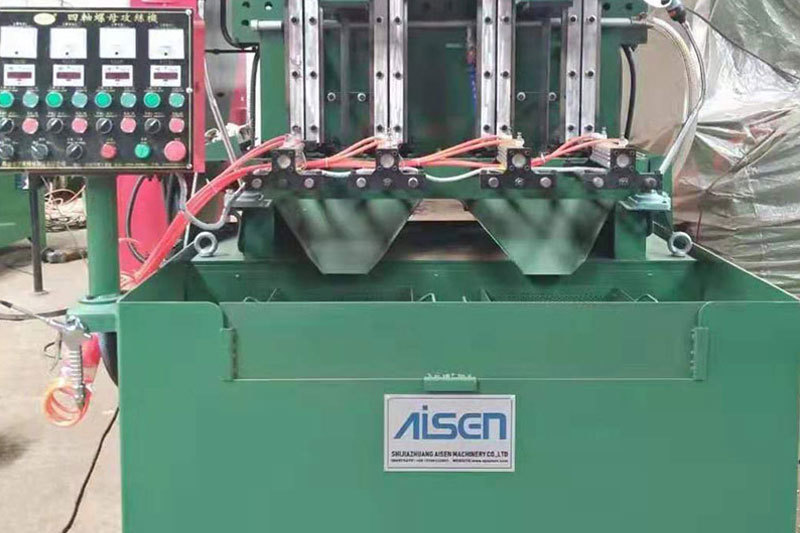
AISEN Four axis nut tapping machine ready for shipment to Russia
Four axis nut tapping machine for DIN934 M8,M10 Standard hex nut is ready for shipping to Russia by land transportation.
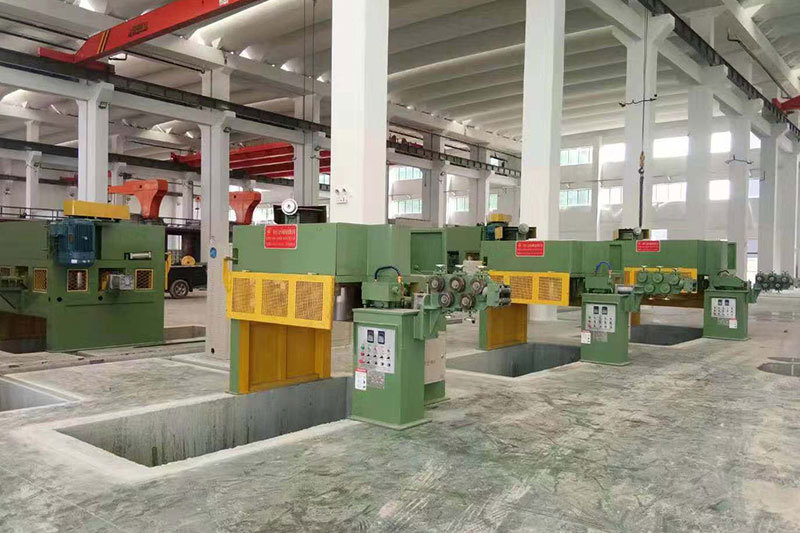
AISEN machinery inverted wire drawing machine
We hope to cooperate with more customers for mutual development and benefits. You are welcome to contact us
MESSAGES
We will contact you within one working day. Please pay attention to your email.
Qucik Link
Contact
Phone: +86-15100123091
E-mail: info@sjzaisen.com
Address: No.98 Huanghe Road, High-tech Zone, Shijiazhuang City, China