

Chamfering Machines vs. Traditional Methods: A Comprehensive Comparative Analysis
Oct 17,2025


Summary:
Chamfering Machines vs. Traditional Methods: A Comprehensive Comparative Analysis
Table of Contents
1. Introduction: Understanding Chamfering in Manufacturing
2. What is Chamfering?
3. Traditional Chamfering Methods: Techniques and Tools
4. Chamfering Machines: Technology and Features
5. Advantages of Chamfering Machines over Traditional Methods
6. Cost Analysis: Chamferin

Chamfering Machines vs. Traditional Methods: A Comprehensive Comparative Analysis
Table of Contents
- 1. Introduction: Understanding Chamfering in Manufacturing
- 2. What is Chamfering?
- 3. Traditional Chamfering Methods: Techniques and Tools
- 4. Chamfering Machines: Technology and Features
- 5. Advantages of Chamfering Machines over Traditional Methods
- 6. Cost Analysis: Chamfering Machines vs. Traditional Methods
- 7. Applications of Chamfering Machines in Various Industries
- 8. Maintenance and Operational Considerations
- 9. Conclusion
- 10. Frequently Asked Questions (FAQs)
1. Introduction: Understanding Chamfering in Manufacturing
Chamfering is a critical process in manufacturing, used to create beveled edges on workpieces. This practice enhances the aesthetic appeal of products while also preventing damage during handling and assembly. In recent years, the rise of specialized chamfering machines has revolutionized the industry, offering a more efficient and precise alternative to traditional chamfering methods. This article offers a detailed analysis comparing these two approaches to chamfering, highlighting their advantages, applications, and overall effectiveness.
2. What is Chamfering?
Chamfering refers to the process of cutting away the sharp edges or corners of a workpiece, typically creating a 45-degree angle. This technique is commonly employed in wood, metal, and plastic fabrication. The primary goal of chamfering is to reduce the risk of injury from sharp edges while also facilitating easier assembly and fitment of parts. Understanding the nuances of chamfering is essential for manufacturers looking to enhance product quality and operational efficiency.
3. Traditional Chamfering Methods: Techniques and Tools
Traditional chamfering methods have been utilized for decades, relying on various techniques that include:
3.1 Hand Tools
Manufacturers often use hand tools such as files, chisels, and hand-held routers to create chamfers. While these methods can be effective for small-scale projects, they typically lack the precision and consistency required for larger production runs.
3.2 Machinery
Lathes, milling machines, and grinders are commonly used to perform chamfering in an industrial setting. These machines can achieve better accuracy than hand tools, although they may still require skilled operators and extensive setup.
3.3 Limitations of Traditional Methods
Traditional chamfering methods often face challenges such as longer processing times, higher labor costs, and inconsistent results. Additionally, achieving repeatability and precision can be difficult, especially in high-volume production environments.
4. Chamfering Machines: Technology and Features
Chamfering machines represent a significant advancement in the manufacturing industry. These specialized machines are designed to perform chamfering operations with unparalleled speed and accuracy. The key features of chamfering machines include:
4.1 Types of Chamfering Machines
Chamfering machines come in various forms, including vertical and horizontal models, each designed for specific applications. Some machines are capable of handling multiple workpieces simultaneously, significantly increasing productivity.
4.2 Automation and CNC Technology
Many modern chamfering machines incorporate Computer Numerical Control (CNC) technology, allowing for automated programming and operation. This technology enables manufacturers to achieve precise, repeatable results with minimal manual intervention.
4.3 Safety Features
Safety is a paramount concern in manufacturing, and chamfering machines are equipped with features such as protective enclosures and emergency stop mechanisms to ensure operator safety during operation.
5. Advantages of Chamfering Machines over Traditional Methods
Chamfering machines offer numerous advantages compared to traditional chamfering methods:
5.1 Increased Efficiency
Chamfering machines significantly reduce processing time. They can execute complex chamfering operations faster than traditional methods, leading to improved overall efficiency in production.
5.2 Enhanced Precision
The precision offered by chamfering machines ensures consistent quality across multiple production runs. This reliability is crucial for industries where even minor deviations can lead to significant issues.
5.3 Reduced Labor Costs
By automating the chamfering process, manufacturers can reduce labor costs. Fewer skilled operators are required, allowing companies to allocate their workforce more effectively.
5.4 Versatility
Chamfering machines can handle a wide variety of materials, including metals, plastics, and composite materials, making them suitable for diverse manufacturing applications.
6. Cost Analysis: Chamfering Machines vs. Traditional Methods
When evaluating the cost-effectiveness of chamfering machines versus traditional methods, several factors must be considered:
6.1 Initial Investment
The upfront cost of purchasing a chamfering machine can be significant. However, this investment can be offset by long-term savings achieved through increased efficiency and reduced labor costs.
6.2 Operational Costs
While traditional methods may require more manual labor and time, chamfering machines often consume less power and require less maintenance, leading to lower operational costs over time.
6.3 Return on Investment (ROI)
Manufacturers should assess the potential ROI of investing in chamfering machines. The increased productivity and quality improvement can lead to higher sales and customer satisfaction, ultimately justifying the initial costs.
7. Applications of Chamfering Machines in Various Industries
Chamfering machines are utilized across multiple industries, each benefiting from the precision and efficiency these machines provide:
7.1 Aerospace Industry
In the aerospace sector, the need for lightweight and precisely manufactured components makes chamfering machines indispensable for producing parts that meet stringent safety and performance standards.
7.2 Automotive Manufacturing
Automotive manufacturers rely on chamfering machines to produce high-quality components with smooth edges, enhancing assembly processes and overall vehicle safety.
7.3 Construction and Fabrication
In construction, chamfering machines are used to prepare steel and metal components, ensuring they fit together seamlessly and reducing the risk of damage during transport and installation.
7.4 Electronics Manufacturing
In the electronics industry, chamfering plays a crucial role in the production of circuit boards and enclosures, where precise edge treatments can prevent issues during assembly and enhance reliability.
8. Maintenance and Operational Considerations
Proper maintenance of chamfering machines is essential to ensure optimal performance and longevity:
8.1 Regular Inspections
Conduct routine inspections of the machine’s components to identify wear and tear. Addressing issues early can prevent costly repairs and downtime.
8.2 Cleaning and Lubrication
Keep the machine clean and properly lubricated to ensure smooth operation. Dust and debris can impact the machine's performance and the quality of chamfers produced.
8.3 Operator Training
Invest in training for operators to ensure they understand how to use and maintain chamfering machines effectively. Skilled operators can maximize the capabilities of the machine and minimize errors.
9. Conclusion
In the competitive landscape of manufacturing, choosing the right chamfering method can significantly impact productivity and product quality. Chamfering machines stand out for their efficiency, precision, and versatility, making them an attractive option for modern manufacturers. While traditional methods have their place, the advancements in technology that chamfering machines offer make them a superior choice for many applications. By understanding the benefits and considerations associated with both methods, manufacturers can make informed decisions that enhance their operations and align with their business goals.
10. Frequently Asked Questions (FAQs)
10.1 What is the main advantage of using chamfering machines?
The primary advantage of using chamfering machines is their ability to produce consistent and precise chamfers quickly and efficiently, significantly improving production speed and reducing labor costs.
10.2 Are chamfering machines suitable for all materials?
Yes, chamfering machines can handle a wide range of materials, including metals, plastics, and composites, making them versatile for various applications in different industries.
10.3 How do I determine the right chamfering machine for my needs?
Consider factors such as the type of materials you work with, the volume of production, and specific chamfering requirements. Consulting with a specialist can also help in selecting the most suitable machine.
10.4 What maintenance is required for chamfering machines?
Regular inspections, cleaning, lubrication, and operator training are essential for maintaining chamfering machines and ensuring optimal performance.
10.5 Can traditional methods still be effective in certain situations?
Yes, traditional chamfering methods can still be effective for small-scale projects or when precision is less critical. However, for high-volume production, chamfering machines are typically more advantageous.
Latest News
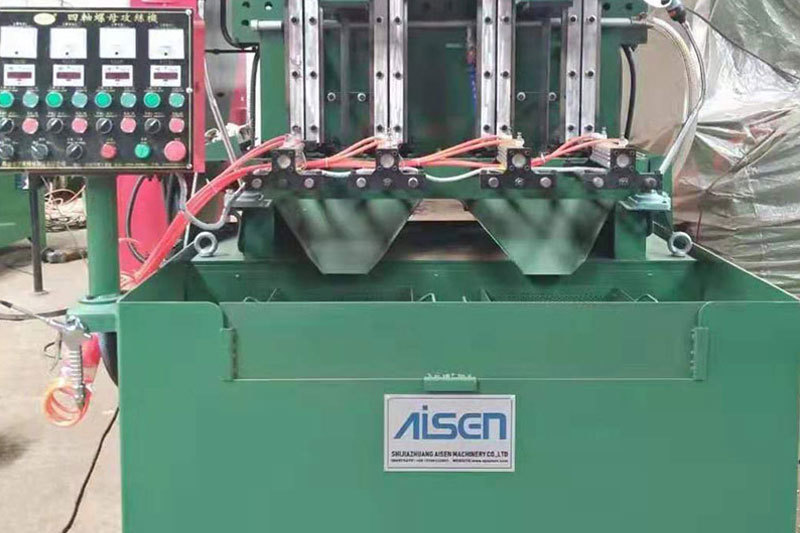
AISEN Four axis nut tapping machine ready for shipment to Russia
Four axis nut tapping machine for DIN934 M8,M10 Standard hex nut is ready for shipping to Russia by land transportation.
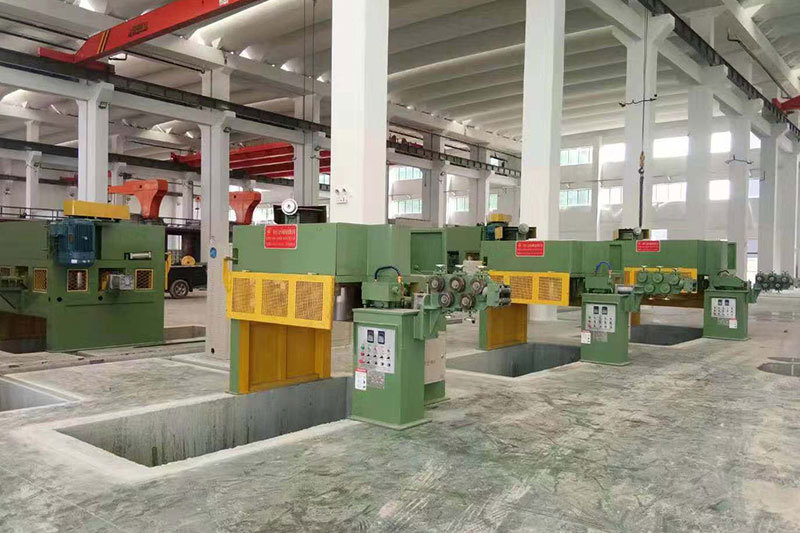
AISEN machinery inverted wire drawing machine
We hope to cooperate with more customers for mutual development and benefits. You are welcome to contact us
MESSAGES
We will contact you within one working day. Please pay attention to your email.
Qucik Link
Contact
Phone: +86-15100123091
E-mail: info@sjzaisen.com
Address: No.98 Huanghe Road, High-tech Zone, Shijiazhuang City, China