

How to Choose the Right Inverted Wire Drawing Machine for Your Business
Oct 21,2025


Summary:
How to Choose the Right Inverted Wire Drawing Machine for Your Business
Table of Contents
1. Introduction to Inverted Wire Drawing Machines
2. Importance of Choosing the Right Machine
3. Understanding Inverted Wire Drawing Technology
4. Key Factors to Consider
4.1. Machine Specifications
4.2. Production Capacity and Speed
4.3. Material Type Compatibility
5. Cost
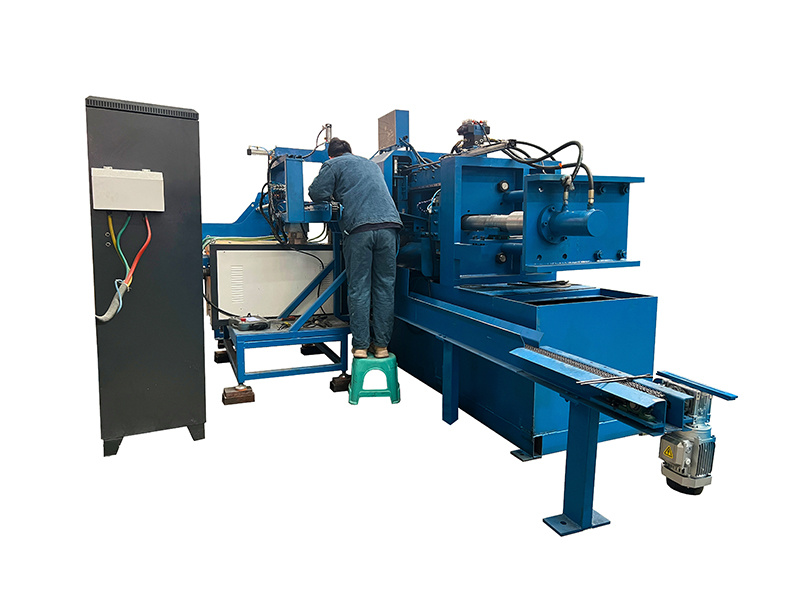
How to Choose the Right Inverted Wire Drawing Machine for Your Business
Table of Contents
- 1. Introduction to Inverted Wire Drawing Machines
- 2. Importance of Choosing the Right Machine
- 3. Understanding Inverted Wire Drawing Technology
- 4. Key Factors to Consider
- 5. Cost Analysis and Budgeting
- 6. Maintenance Requirements
- 7. Supplier Reputation and Support
- 8. Considering Future Needs
- 9. Conclusion
- 10. Frequently Asked Questions (FAQs)
1. Introduction to Inverted Wire Drawing Machines
Inverted wire drawing machines play a crucial role in the manufacturing and processing of metal components. They are specifically designed to reduce the diameter of wire by pulling it through a die while maintaining tensile strength and material integrity. For businesses engaged in metal fabrication, selecting the right inverted wire drawing machine can significantly enhance productivity, reduce costs, and improve product quality.
2. Importance of Choosing the Right Machine
The choice of an inverted wire drawing machine is paramount to the success of your wire production process. An appropriate machine will not only meet your immediate production needs but also adapt to future requirements. A well-chosen machine can lead to increased efficiency, reduced waste, and a better overall return on investment (ROI).
3. Understanding Inverted Wire Drawing Technology
Before diving into the specifics of machine selection, it’s essential to understand the underlying technology. Inverted wire drawing machines operate by drawing wire through a die, which reduces the diameter and elongates the wire. This process is typically carried out in a controlled environment to minimize defects and ensure uniformity.
The inverted design of these machines allows for easier material handling and can often lead to higher production speeds compared to traditional wire drawing machines. Understanding these principles will aid in evaluating what specific features you need in your machine.
4. Key Factors to Consider
When selecting an inverted wire drawing machine, consider the following key factors:
4.1. Machine Specifications
The specifications of the machine, including dimensions, weight, and power requirements, are crucial. Ensure the machine fits within your workshop space and meets your operational power capabilities. Additionally, look for machines that offer adjustable settings for different wire types.
4.2. Production Capacity and Speed
Evaluate the production capacity and speed of the machine. How quickly can it draw wire, and what is the maximum output it can achieve? If your business anticipates high-volume orders, choose a machine that can handle increased workloads without sacrificing quality.
4.3. Material Type Compatibility
Different machines are designed for various materials. Ensure that the inverted wire drawing machine you select can efficiently handle the specific metals you work with, whether it's steel, copper, aluminum, or specialized alloys.
5. Cost Analysis and Budgeting
Cost is an important factor in your decision-making process. While it might be tempting to choose the cheapest option, it’s crucial to consider the long-term implications of your investment. Analyze the total cost of ownership, which includes not just the purchase price but also maintenance, operational costs, and potential downtime.
Consider whether financing options are available and explore how different suppliers price their machines. Remember, a higher upfront cost may be justified by better quality and higher efficiency.
6. Maintenance Requirements
Maintenance is a critical aspect of keeping your machine running smoothly. Investigate the maintenance needs of the inverted wire drawing machine you are considering. Look for machines that offer user-friendly maintenance procedures and minimal downtime. Ensure that spare parts are readily available and that the supplier provides adequate support.
7. Supplier Reputation and Support
Choosing a reputable supplier is vital. Research potential suppliers’ histories, customer reviews, and post-sale support options. A reliable supplier will not only provide a quality machine but will also be there to assist with installation, training, and ongoing technical support.
8. Considering Future Needs
When selecting an inverted wire drawing machine, think about your business's future growth. Will the machine be able to adapt to new wire types or higher production demands? Look for machines that offer scalability features, allowing you to upgrade or modify as your business evolves.
9. Conclusion
Selecting the right inverted wire drawing machine is essential for maximizing productivity and ensuring quality in wire production. By considering factors such as machine specifications, production capacity, material compatibility, cost, maintenance, and supplier reputation, you can make an informed decision that aligns with your business goals. Focus on the long-term benefits and ensure that your investment leads to improved operational efficiency and profitability.
10. Frequently Asked Questions (FAQs)
1. What is an inverted wire drawing machine?
An inverted wire drawing machine is a specialized piece of equipment used to reduce the diameter of wire by pulling it through a die, maintaining the material's integrity and tensile strength.
2. How do I determine the right production capacity for my business?
Assess your current and anticipated production needs. Consider factors such as order volume, wire types, and production timelines to gauge the necessary capacity.
3. What types of materials can be processed with an inverted wire drawing machine?
Inverted wire drawing machines can typically process a variety of metals, including steel, copper, aluminum, and specialized alloys, depending on the machine's specifications.
4. How often does an inverted wire drawing machine require maintenance?
Maintenance frequency varies based on usage and machine type. Regular inspections and upkeep are recommended to ensure optimal performance and longevity.
5. Can I upgrade my inverted wire drawing machine later?
Many modern machines come with scalability options for upgrades and modifications. Check with your supplier to understand the possibilities for future enhancements.
Latest News
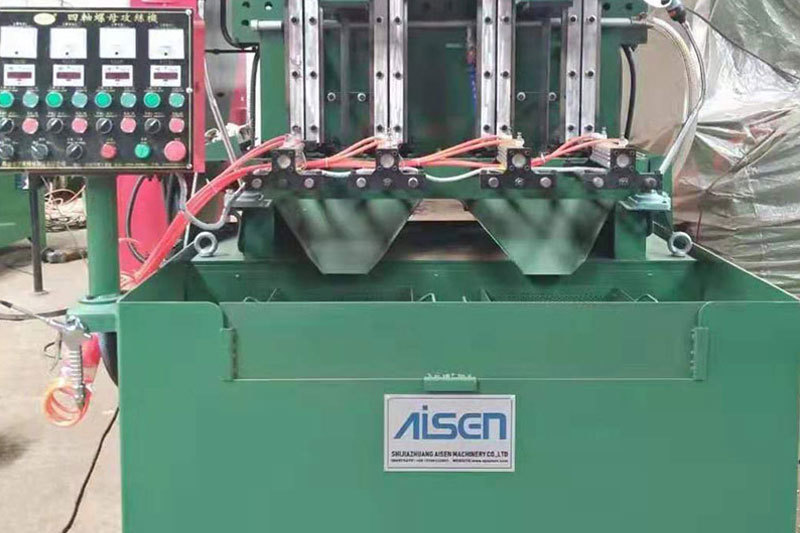
AISEN Four axis nut tapping machine ready for shipment to Russia
Four axis nut tapping machine for DIN934 M8,M10 Standard hex nut is ready for shipping to Russia by land transportation.
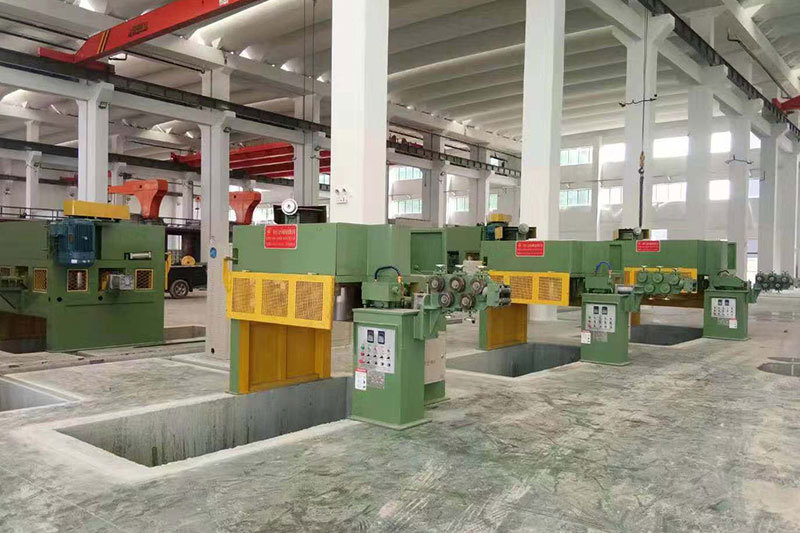
AISEN machinery inverted wire drawing machine
We hope to cooperate with more customers for mutual development and benefits. You are welcome to contact us
MESSAGES
We will contact you within one working day. Please pay attention to your email.
Qucik Link
Contact
Phone: +86-15100123091
E-mail: info@sjzaisen.com
Address: No.98 Huanghe Road, High-tech Zone, Shijiazhuang City, China