

How to Maintain Your Chamfering Machine for Optimal Performance: A Comprehensive Guide
Oct 29,2025


Author:
Summary:
How to Maintain Your Chamfering Machine for Optimal Performance
Maintaining your chamfering machine is crucial for achieving optimal performance and extending its lifespan. Chamfering machines play a vital role in the manufacturing and machining industries, allowing for precise edge finishing and beveling of materials. In this comprehensive guide, we will explore various aspects of chamfering mach
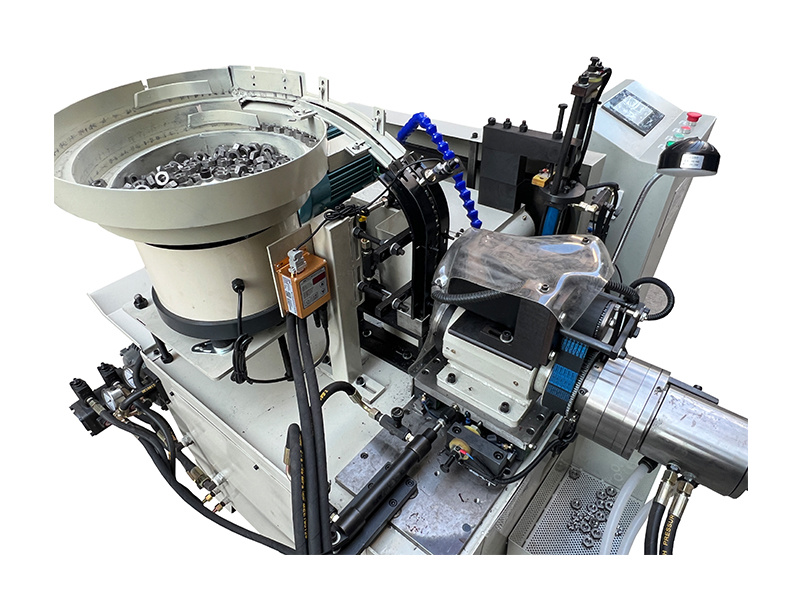
How to Maintain Your Chamfering Machine for Optimal Performance
Maintaining your chamfering machine is crucial for achieving optimal performance and extending its lifespan. Chamfering machines play a vital role in the manufacturing and machining industries, allowing for precise edge finishing and beveling of materials. In this comprehensive guide, we will explore various aspects of chamfering machine maintenance, discussing best practices, tips, and essential techniques that will help you keep your machine running smoothly.
Table of Contents
- 1. The Importance of Maintaining Your Chamfering Machine
- 2. Essential Routine Maintenance Tasks
- 3. Cleaning and Lubrication: Key Practices
- 4. Inspecting Key Components Regularly
- 5. Best Operating Procedures for Longevity
- 6. Troubleshooting Common Issues
- 7. Knowing When to Call a Professional
- 8. Frequently Asked Questions (FAQs)
- 9. Conclusion
1. The Importance of Maintaining Your Chamfering Machine
Regular maintenance of your chamfering machine is essential for several reasons:
- **Maximized Efficiency**: Proper maintenance ensures that the machine operates at its best, preventing any unexpected downtimes that can disrupt production schedules.
- **Cost-Effective**: Regularly maintaining your equipment reduces the likelihood of costly repairs, extending the lifespan of your machine.
- **Quality Assurance**: Consistent maintenance helps in achieving uniform chamfering results, which is crucial for quality control in manufacturing processes.
- **Safety**: A well-maintained machine is less likely to malfunction, reducing the risk of accidents in the workplace.
By investing time and effort into the maintenance of your chamfering machine, you contribute to a productive and safe working environment.
2. Essential Routine Maintenance Tasks
Implementing a routine maintenance schedule is key to keeping your chamfering machine in optimal condition. Here are the essential tasks that should be included:
Daily Maintenance Checks
- **Visual Inspection**: Before operating the machine, conduct a thorough visual inspection to identify any visible issues such as loose connections, leaks, or wear.
- **Lubrication**: Check and apply lubrication to the moving parts according to the manufacturer's recommendations.
- **Dust and Debris Removal**: Clean the machine surface to prevent dust accumulation, which can interfere with its operation.
Weekly Maintenance Tasks
- **Tightening Loose Bolts and Screws**: Inspect and tighten any loose bolts and screws that may have come undone during operation.
- **Checking the Electrical System**: Ensure that all electrical connections are secure and the wiring is in good condition.
Monthly Maintenance Procedures
- **Comprehensive Cleaning**: Perform an in-depth cleaning of the machine, including the interior components, to remove any buildup of chips and contaminants.
- **Belt and Drive Inspection**: Check the belts for signs of wear and ensure the drive mechanisms are functioning correctly.
3. Cleaning and Lubrication: Key Practices
Cleaning and lubrication are fundamental aspects of maintaining your chamfering machine. Here are the best practices for both:
Effective Cleaning Methods
- **Use Appropriate Cleaning Solutions**: Utilize non-corrosive cleaning solutions to ensure you do not damage the machine's components.
- **Brush and Vacuum**: Use a brush to remove larger debris and a vacuum to extract finer particles that may have accumulated in hard-to-reach areas.
Lubrication Techniques
- **Follow Manufacturer's Guidelines**: Always refer to the manufacturer's manual for specific lubrication points and recommendations.
- **Quality Lubricants**: Use high-quality lubricants that are compatible with your machine’s components to ensure effective performance.
4. Inspecting Key Components Regularly
Regular inspections of key components are vital for early detection of potential issues. Focus on the following parts:
Blades and Cutting Tools
- **Sharpness**: Regularly check the sharpness of the blades. Dull blades can lead to poor performance and increased wear on the machine.
- **Alignment**: Ensure that blades are properly aligned to achieve consistent chamfering results.
Drive Mechanisms
- **Belt Condition**: Inspect belts for signs of wear and replace them as needed to avoid drive failure.
- **Motor Functionality**: Check the motor for any unusual noises or vibrations that may indicate a problem.
5. Best Operating Procedures for Longevity
Adhering to best operating procedures significantly impacts your chamfering machine's longevity:
Proper Material Handling
- **Avoid Overloading**: Do not exceed the machine's recommended load capacity, as this can cause excessive wear and tear.
- **Use the Right Materials**: Ensure that the materials being processed are within the specifications outlined by the manufacturer.
Operator Training
- **Training Courses**: Invest in comprehensive training for operators to ensure they understand the machine's functions and maintenance requirements.
- **Regular Refresher Courses**: Offer ongoing training to keep operators updated on best practices and new techniques.
6. Troubleshooting Common Issues
Even with regular maintenance, issues can arise. Here’s how to troubleshoot some common problems:
Machine Not Starting
- **Check Power Supply**: Ensure that the machine is properly connected to the power supply and that all switches are turned on.
- **Inspect Fuses and Breakers**: Look for blown fuses or tripped circuit breakers that may be interrupting power.
Inconsistent Chamfering Quality
- **Blade Dullness**: Assess the sharpness of the blades. Replace them if they are dull.
- **Material Misalignment**: Verify that materials are aligned correctly before starting the chamfering process.
7. Knowing When to Call a Professional
While many maintenance tasks can be performed in-house, some situations call for professional assistance:
Complex Repairs
- **Internal Component Issues**: If problems arise within the machine’s internal mechanisms that you cannot diagnose, it is best to consult a professional.
- **Electrical Problems**: Any electrical issues that involve wiring or motors should be handled by a qualified technician to ensure safety.
8. Frequently Asked Questions (FAQs)
1. How often should I perform maintenance on my chamfering machine?
**Answer**: Daily visual checks, weekly routine tasks, and monthly comprehensive cleanings are recommended to maintain optimal performance.
2. What is the best way to clean my chamfering machine?
**Answer**: Use non-corrosive cleaning solutions, brushes, and vacuums to remove debris and contaminants effectively.
3. How do I know when to replace the blades?
**Answer**: If you notice a decline in performance or quality of chamfering, it’s time to check the sharpness and consider replacing the blades if necessary.
4. Can I perform maintenance myself, or should I hire a professional?
**Answer**: Most routine maintenance can be performed in-house, but complex issues should be addressed by a qualified technician.
5. What should I do if my machine stops working suddenly?
**Answer**: First, check the power supply and fuses. If everything appears normal, consult the user manual or reach out to a professional.
9. Conclusion
In summary, maintaining your chamfering machine is an essential aspect of ensuring optimal performance and longevity. By implementing regular maintenance routines, focusing on cleaning and lubrication, and conducting thorough inspections, you can significantly reduce downtime and enhance the quality of your machining processes. Remember to educate your operators and enforce best practices to cultivate a safe and productive working environment. With proper care, your chamfering machine will continue to deliver excellent results for years to come.
Get A Quote
We will contact you within one working day. Please pay attention to your email.
Latest News
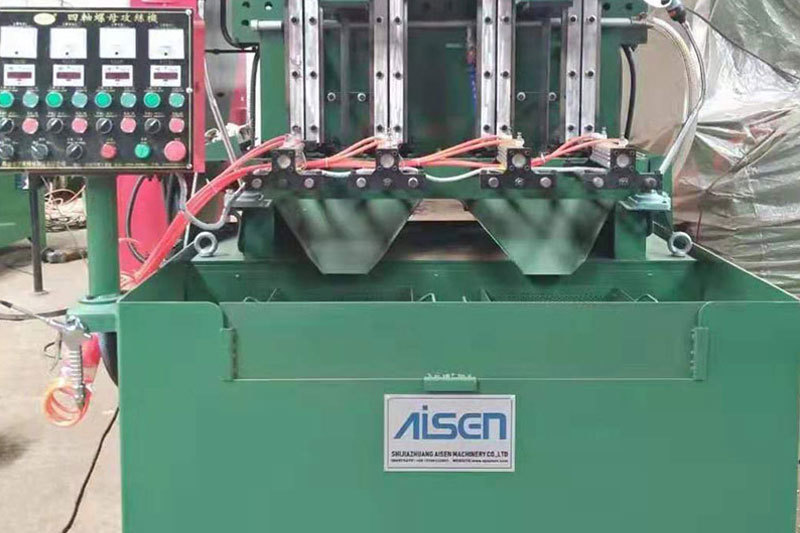
AISEN Four axis nut tapping machine ready for shipment to Russia
Four axis nut tapping machine for DIN934 M8,M10 Standard hex nut is ready for shipping to Russia by land transportation.
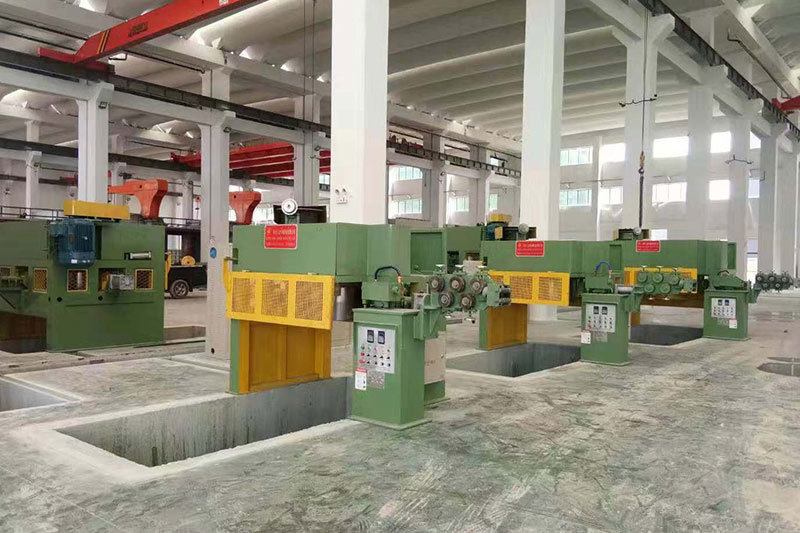
AISEN machinery inverted wire drawing machine
We hope to cooperate with more customers for mutual development and benefits. You are welcome to contact us
MESSAGES
We will contact you within one working day. Please pay attention to your email.
Qucik Link
Contact
Phone: +86-15100123091
E-mail: info@sjzaisen.com
Address: No.41 Zhaiying South Street, Yuhua District, Shijiazhuang City, Hebei Province China