

Chamfering Made Easy: Essential Tips for Beginners Using Chamfering Machines
Nov 22,2025


Author:
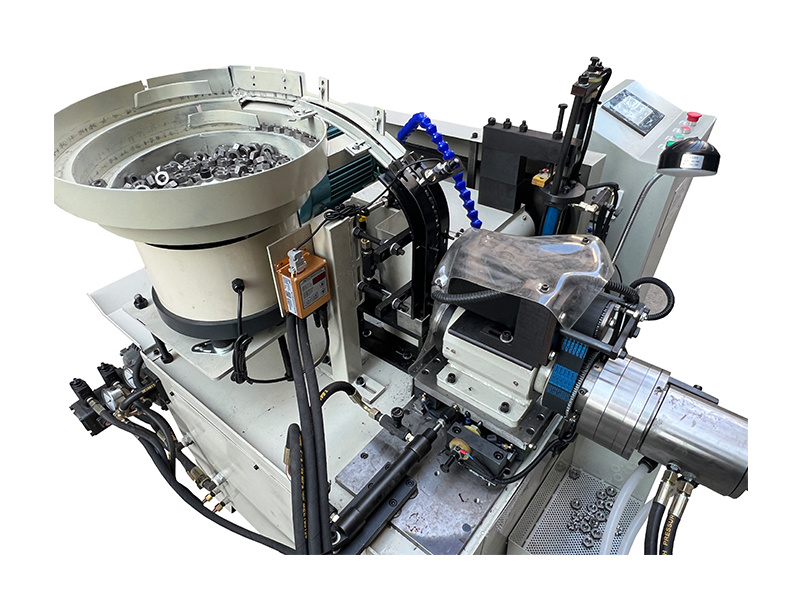
Chamfering Made Easy: Essential Tips for Beginners Using Chamfering Machines
Chamfering is an essential machining process that allows for the smoothing of edges and corners on various materials. Whether you're a novice or seeking to enhance your skills, utilizing chamfering machines effectively is key to achieving professional results. In this article, we will explore a range of tips and techniques designed to simplify the chamfering process for beginners. Let’s dive deeper into the world of chamfering!
Table of Contents
- 1. What is Chamfering?
- 2. The Importance of Chamfering in Manufacturing
- 3. Types of Chamfering Machines
- 4. How to Use a Chamfering Machine: A Step-by-Step Guide
- 5. Common Chamfering Techniques for Beginners
- 6. Choosing the Right Tools for Chamfering
- 7. Safety Tips for Using Chamfering Machines
- 8. Troubleshooting Common Chamfering Issues
- 9. Conclusion
- 10. Frequently Asked Questions
1. What is Chamfering?
Chamfering is the process of beveling the edges or corners of a workpiece to eliminate sharp edges and enhance both aesthetics and safety. This technique is widely used across various industries, including metalworking, woodworking, and plastics, due to its ability to improve the quality of finished products. Chamfering can be accomplished using various methods, including manual tools, lathes, and specialized chamfering machines.
2. The Importance of Chamfering in Manufacturing
Chamfering plays a crucial role in the manufacturing process for several reasons:
- Enhanced Safety: By removing sharp edges, chamfering helps prevent injuries during handling and assembly.
- Improved Aesthetics: A well-executed chamfer adds a polished look to workpieces, making them more attractive to customers.
- Better Fit and Function: Chamfered edges ensure components fit together more seamlessly, improving the overall functionality of assembled products.
- Reduction of Stress Concentration: Beveling edges reduces the risk of cracking and failures, particularly in high-stress applications.
3. Types of Chamfering Machines
Understanding the different types of chamfering machines available is essential for selecting the right one for your application. Here are the most common types:
- Manual Chamfering Machines: These machines require operators to manually guide the workpiece. They are ideal for small batches or custom jobs.
- Automatic Chamfering Machines: Designed for high-volume production, these machines automate the chamfering process, significantly increasing efficiency.
- Multi-Functional Chamfering Machines: These versatile machines can perform multiple operations, including chamfering, deburring, and edge rounding, all in one setup.
4. How to Use a Chamfering Machine: A Step-by-Step Guide
Using a chamfering machine might seem daunting at first, but with proper steps, it becomes manageable. Follow this step-by-step guide:
Step 1: Prepare Your Work Area
Ensure your workspace is clean and well-lit. Gather all necessary materials and tools before starting the chamfering process.
Step 2: Select the Right Chamfering Machine
Choose a chamfering machine suited for your specific project needs. Consider factors such as material type, thickness, and production volume.
Step 3: Adjust Machine Settings
Set the machine's speed and angle appropriate for the material and desired chamfer size. Refer to the manufacturer's guidelines for optimal settings.
Step 4: Secure the Workpiece
Make sure the workpiece is firmly secured in the machine to prevent movement during the chamfering process.
Step 5: Start the Machine
Turn on the chamfering machine and gently guide the workpiece against the cutting tool. Maintain consistent pressure for an even chamfer.
Step 6: Inspect the Chamfered Edge
After completing the chamfering process, carefully inspect the edges for consistency and quality. Make any necessary adjustments to the machine for future operations.
5. Common Chamfering Techniques for Beginners
As a beginner, mastering various chamfering techniques can enhance your skill set and ensure the best results. Here are some common methods:
1. Manual Chamfering with Hand Tools
For small projects or repairs, using manual tools like files or hand-held chamfering tools can be effective. Focus on maintaining a steady hand and consistent angle.
2. Using a Router
A router with a chamfer bit is an excellent option for chamfering edges on wood and some plastics. Adjust the depth of the bit to achieve the desired chamfer size.
3. CNC Chamfering
For precision and repeatability, CNC machines can be programmed to create exact chamfers on various materials. This method is ideal for large production runs and complex designs.
4. Angle Grinder Chamfering
Angle grinders fitted with chamfering discs are useful for quickly creating chamfers on metal workpieces. However, caution is required to prevent excessive material removal.
6. Choosing the Right Tools for Chamfering
Selecting the appropriate tools is essential for achieving high-quality chamfers. Consider the following when making your choice:
- Material Compatibility: Ensure that the tools you select are suitable for the material you are chamfering, whether it is metal, wood, or plastic.
- Tool Quality: Invest in high-quality chamfering tools and machines for better durability and performance.
- Bit Size and Shape: Choose chamfer bits that match the desired angle and size for your project requirements.
7. Safety Tips for Using Chamfering Machines
Prioritizing safety when using chamfering machines is crucial. Follow these guidelines to protect yourself:
- Always wear appropriate personal protective equipment (PPE), including safety glasses and gloves.
- Ensure the machine is properly maintained and in good working condition before use.
- Keep hands and loose clothing away from moving parts during operation.
- Read and follow the manufacturer's instructions and safety guidelines.
8. Troubleshooting Common Chamfering Issues
Even experienced users may encounter issues during the chamfering process. Here are some common problems and their solutions:
Issue 1: Inconsistent Chamfer Depth
Solution: Check the machine settings and ensure the workpiece is securely clamped. Adjust the cutting tool's height if needed.
Issue 2: Burr Formation
Solution: Ensure that the cutting tool is sharp and suitable for the material. Consider using a deburring tool after chamfering.
Issue 3: Surface Damage
Solution: Reduce the feed rate and ensure the tool is not cutting too aggressively. Use appropriate speeds for the material being chamfered.
9. Conclusion
Chamfering is an invaluable technique in the manufacturing process, providing both functional and aesthetic benefits. By understanding the various types of chamfering machines, mastering essential techniques, and following safety guidelines, beginners can achieve excellent results. Remember to practice regularly and stay informed about new tools and techniques to continue improving your chamfering skills. With dedication and the right approach, anyone can master chamfering and elevate their machining capabilities.
10. Frequently Asked Questions
What materials can be chamfered using chamfering machines?
Chamfering machines can be used on a wide variety of materials, including metals (aluminum, steel, brass), plastics, and wood.
How do I determine the correct chamfer angle for my project?
The chamfer angle depends on the design requirements of your project. Common angles are 45 degrees, but it can vary based on specific applications.
Can I use a chamfering machine for both internal and external chamfering?
Yes, many chamfering machines are versatile enough to handle both internal and external chamfers, although specific machines may excel in one over the other.
What is the difference between chamfering and beveling?
Chamfering and beveling are often used interchangeably; however, chamfering typically refers to a uniform angle along an edge, while beveling can refer to more complex angles or shapes.
How often should I sharpen or replace chamfering tools?
Regularly inspect your tools for wear and tear. Sharpen or replace them as needed to maintain effective and high-quality chamfering results.
Get A Quote
We will contact you within one working day. Please pay attention to your email.
Latest News
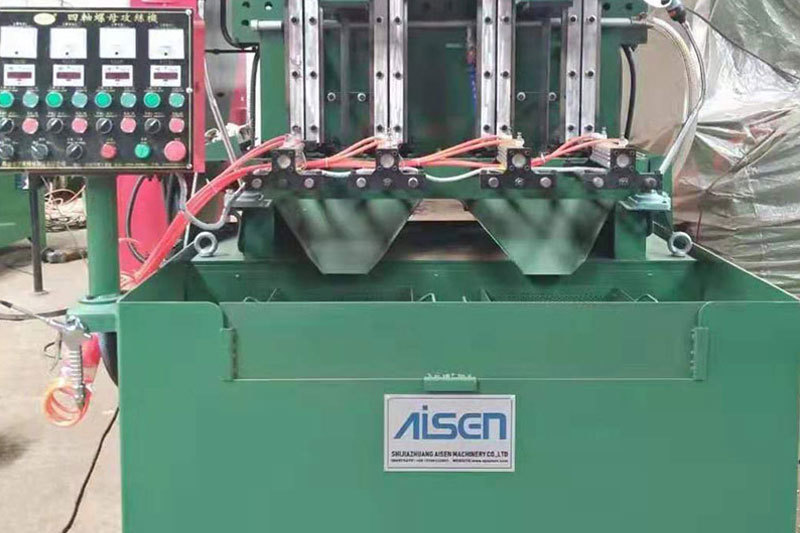
AISEN Four axis nut tapping machine ready for shipment to Russia
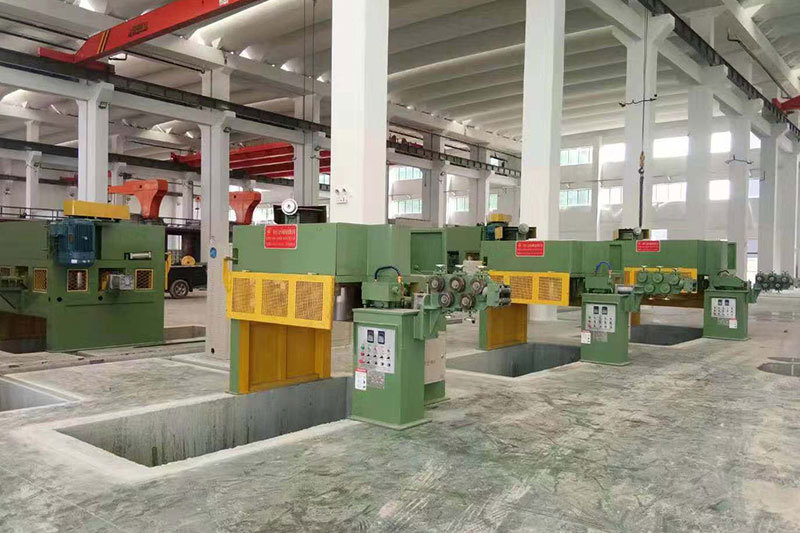
AISEN machinery inverted wire drawing machine
MESSAGES
We will contact you within one working day. Please pay attention to your email.
Qucik Link
Contact
Phone: +86-15100123091
E-mail: info@sjzaisen.com
Address: No.41 Zhaiying South Street, Yuhua District, Shijiazhuang City, Hebei Province China