

The Critical Function of Shearing and Punching Machines in Today’s Manufacturing Landscape
Dec 16,2025


Summary:
The Critical Function of Shearing and Punching Machines in Today’s Manufacturing Landscape
Manufacturing processes have undergone significant evolution over the past few decades, shaping the current landscape into one characterized by precision, efficiency, and automation. At the heart of this transformation are shearing and punching machines, which are essential in a variety of manufacturing sect
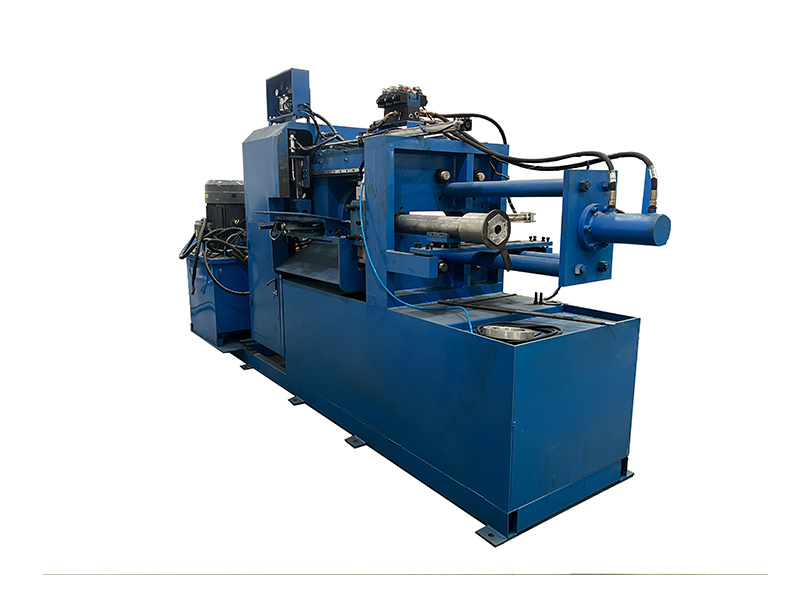
The Critical Function of Shearing and Punching Machines in Today’s Manufacturing Landscape
Manufacturing processes have undergone significant evolution over the past few decades, shaping the current landscape into one characterized by precision, efficiency, and automation. At the heart of this transformation are shearing and punching machines, which are essential in a variety of manufacturing sectors, including leather processing and metal fabrication. This article explores their roles, benefits, and how they contribute to modern manufacturing practices.
Table of Contents
- Introduction to Shearing and Punching Machines
- Understanding Shearing Machines
- Exploring Punching Machines
- Benefits of Shearing and Punching Machines
- The Future of Shearing and Punching in Manufacturing
- Frequently Asked Questions
- Conclusion
Introduction to Shearing and Punching Machines
Shearing and punching machines are indispensable tools in the manufacturing sector, particularly in industries that require the manipulation of sheet materials. These machines are designed to cut, shape, and form materials with precision, catering to a wide range of applications. By automating processes that were once manual, these machines enhance productivity and reduce labor costs, making them pivotal in modern manufacturing.
Understanding Shearing Machines
Shearing machines are specialized equipment designed to cut materials into desired shapes and sizes without the formation of chips or shavings. The process typically involves applying a high shear force to the material, allowing it to break along a designated line.
Types of Shearing Machines
There are several types of shearing machines, each suited for different materials and applications:
1. **Mechanical Shears**: These are the most common type, utilizing a mechanical drive system that converts rotational motion into cutting motion.
2. **Hydraulic Shears**: These use hydraulic pressure to achieve a powerful cutting force, making them ideal for thick materials.
3. **Pneumatic Shears**: These machines use compressed air to operate, suitable for lighter materials and thinner sheets.
Applications of Shearing Machines
Shearing machines find applications across various industries, including:
- **Metal Fabrication**: Essential for cutting sheets into specific dimensions for further processing.
- **Textile Industry**: Used to cut fabric sheets with precision for leather goods and garments.
- **Automotive Manufacturing**: Key in producing parts and components with exact specifications.
Exploring Punching Machines
Punching machines, on the other hand, are designed to create holes in materials by using a punch and die mechanism. This process is integral to a variety of manufacturing applications.
Types of Punching Machines
Similar to shearing machines, punching machines come in different types:
1. **Mechanical Punch Presses**: These use mechanical systems to drive the punch, offering speed and accuracy.
2. **Hydraulic Punch Presses**: Known for their ability to exert significant force on thick materials.
3. **CNC Punching Machines**: Computer Numerical Control (CNC) machines that provide advanced automation and precision.
Applications of Punching Machines
Punching machines serve critical roles in various sectors, such as:
- **Electronics**: Used for creating precise holes in circuit boards.
- **Metalworking**: Essential for producing components that require exact hole placements.
- **Furniture**: Used to create designs that require intricate patterns and cutouts.
Benefits of Shearing and Punching Machines
The advantages of implementing shearing and punching machines in manufacturing processes are numerous:
- **Increased Efficiency**: Automating cutting and punching processes reduces time and labor costs.
- **Precision and Consistency**: These machines guarantee uniform outputs, which is crucial for quality control.
- **Versatility**: Capable of working with different materials, including metals, plastics, and textiles.
- **Reduced Waste**: Minimizing scrap material through accurate cuts and punches leads to more sustainable manufacturing practices.
The Future of Shearing and Punching in Manufacturing
As technology continues to advance, the future of shearing and punching machines looks promising. Innovations such as **smart manufacturing** and **Industry 4.0** are paving the way for more automated and connected machines. The integration of artificial intelligence and machine learning will enhance the capabilities of these machines, allowing for predictive maintenance and improved operational efficiencies.
Moreover, sustainable manufacturing practices are leading to the development of eco-friendly shearing and punching machines that minimize energy consumption and waste, further aligning manufacturing processes with global sustainability goals.
Frequently Asked Questions
1. What materials can shearing and punching machines process?
Shearing and punching machines can process a wide range of materials, including metals (steel, aluminum), plastics, and textiles like leather.
2. How do I choose the right machine for my manufacturing needs?
Consider factors such as the type of material, thickness, desired output, and specific applications to determine the most suitable machine.
3. What are the maintenance requirements for these machines?
Regular maintenance includes cleaning, lubrication, and checking for wear and tear to ensure optimal performance and longevity.
4. Can shearing and punching machines be integrated into an automated production line?
Yes, both shearing and punching machines can be integrated into automated production lines, enhancing efficiency and minimizing labor costs.
5. What safety measures should be taken when using these machines?
Operators should wear appropriate personal protective equipment (PPE), ensure machines are properly maintained, and follow operational safety guidelines.
Conclusion
In the ever-evolving world of manufacturing, shearing and punching machines play a crucial role in ensuring efficiency, precision, and versatility. As industries continue to adapt and innovate, these machines remain indispensable tools that drive productivity and quality. Understanding their functions, applications, and benefits not only equips manufacturers with the knowledge needed to enhance their operations but also positions them for future success in a competitive market. Embracing the advancements in technology surrounding shearing and punching machines will undoubtedly lead to improved outcomes and a sustainable manufacturing future.
PREVIOUS:
Latest News
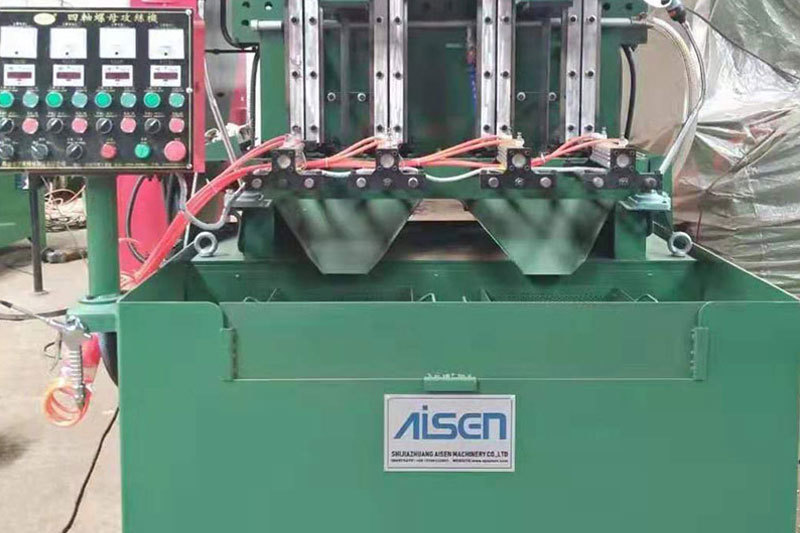
AISEN Four axis nut tapping machine ready for shipment to Russia
Four axis nut tapping machine for DIN934 M8,M10 Standard hex nut is ready for shipping to Russia by land transportation.
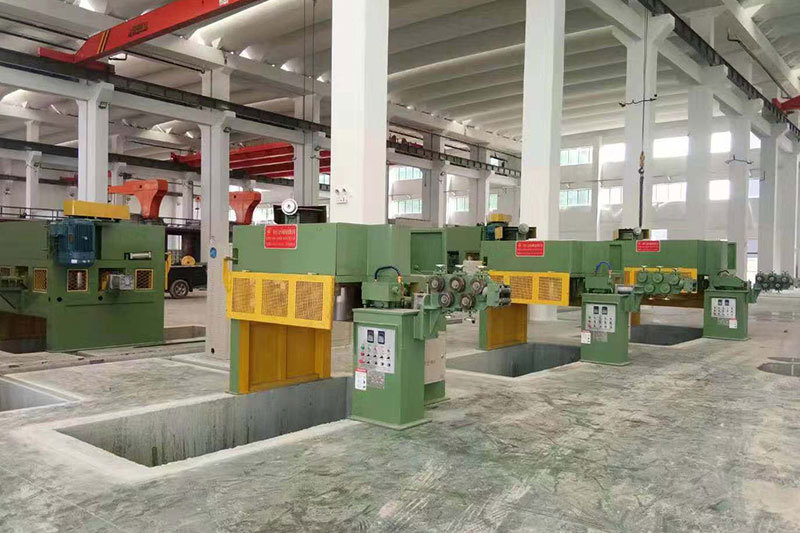
AISEN machinery inverted wire drawing machine
We hope to cooperate with more customers for mutual development and benefits. You are welcome to contact us
MESSAGES
We will contact you within one working day. Please pay attention to your email.
Qucik Link
Contact
Phone: +86-15100123091
E-mail: info@sjzaisen.com
Address: No.98 Huanghe Road, High-tech Zone, Shijiazhuang City, China