

Unlocking Efficiency: How CNC Thread Rolling Machines Revolutionize Manufacturing
Dec 28,2025


Author:
Summary:
Unlocking Efficiency: How CNC Thread Rolling Machines Revolutionize Manufacturing
Table of Contents
1. Introduction to CNC Thread Rolling Machines
2. Understanding Thread Rolling
3. Benefits of CNC Thread Rolling Machines
4. Applications of CNC Thread Rolling Machines in Various Industries
5. Comparison of CNC Thread Rolling with Other Manufacturing Techniques
6. Key Features of Moder
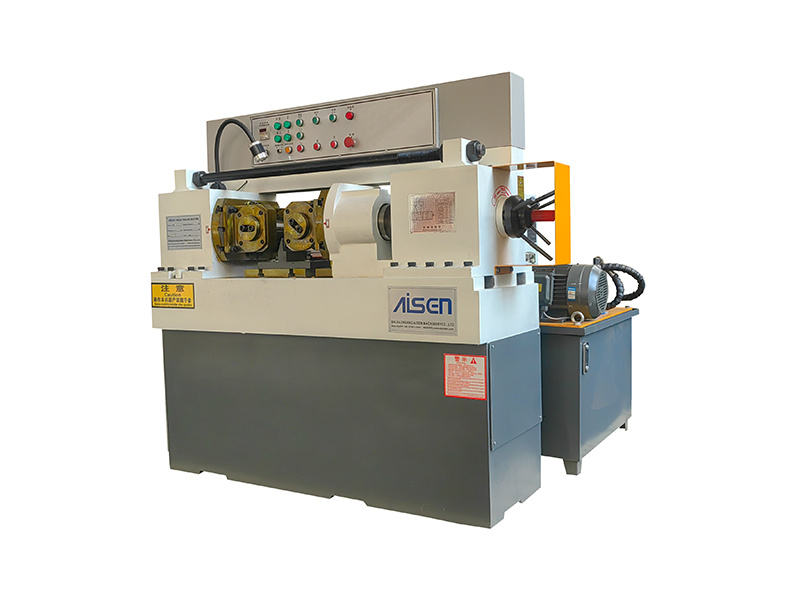
Unlocking Efficiency: How CNC Thread Rolling Machines Revolutionize Manufacturing
Table of Contents
- 1. Introduction to CNC Thread Rolling Machines
- 2. Understanding Thread Rolling
- 3. Benefits of CNC Thread Rolling Machines
- 4. Applications of CNC Thread Rolling Machines in Various Industries
- 5. Comparison of CNC Thread Rolling with Other Manufacturing Techniques
- 6. Key Features of Modern CNC Thread Rolling Machines
- 7. Future Trends in CNC Thread Rolling Technology
- 8. Frequently Asked Questions
- 9. Conclusion
1. Introduction to CNC Thread Rolling Machines
In the rapidly evolving landscape of manufacturing, efficiency and precision have become paramount. **CNC thread rolling machines** have emerged as revolutionary tools that streamline the process of creating threaded fasteners and components. Unlike traditional methods, CNC thread rolling employs computer numerical control to ensure higher accuracy, repeatability, and automation. This innovation not only enhances product quality but also significantly reduces production times.
2. Understanding Thread Rolling
Thread rolling is a cold-forming process that deforms the material to create threads. The process is achieved by using two dies that press against the material, forming the desired thread profile. This method stands out for its ability to produce high-strength threads while minimizing waste. **CNC technology** further refines this process by allowing for precise adjustments and consistent results, making it ideal for high-volume production.
The Mechanics of Thread Rolling
The mechanics behind thread rolling involve several key components. The **rolling dies**, typically made from high-strength steel, shape the material into threads. The **workpiece** is usually fed through the rolling dies at high speeds, enabling rapid production. **CNC controls** facilitate the fine-tuning of parameters such as speed, pressure, and depth of the roll, ensuring optimal performance.
3. Benefits of CNC Thread Rolling Machines
CNC thread rolling machines offer a myriad of benefits that enhance manufacturing processes across the board.
Enhanced Precision and Consistency
One of the most significant advantages of CNC thread rolling is its ability to produce highly precise threads. Variations in thread dimensions can lead to assembly issues, but with CNC technology, manufacturers achieve uniformity across batches, reducing the likelihood of defects.
Improved Production Speed
CNC machines can operate at high speeds, significantly increasing the throughput of threaded components. This efficiency is particularly beneficial in industries where time is critical, allowing manufacturers to meet tight deadlines without compromising quality.
Cost Efficiency
By minimizing material waste and reducing the need for secondary processes, CNC thread rolling machines can lower overall production costs. The reduced cycle times combined with less rework translate into substantial savings for manufacturers.
Versatility and Adaptability
CNC thread rolling machines can handle a wide range of materials and thread profiles, making them versatile tools in any manufacturing setup. This adaptability allows manufacturers to respond quickly to changing market demands and customize products with ease.
4. Applications of CNC Thread Rolling Machines in Various Industries
CNC thread rolling machines find applications in numerous industries, each benefiting from their unique capabilities.
Aerospace Industry
In the aerospace sector, the demand for high-strength, lightweight components is paramount. CNC thread rolling machines produce critical fasteners that meet stringent safety and performance standards.
Automotive Industry
The automotive industry relies heavily on threaded components for assembling various parts. CNC thread rolling machines ensure that these fasteners are not only strong but also produced efficiently to meet high-volume demands.
Construction Industry
In construction, the durability of fasteners is crucial. CNC thread rolling allows for the production of robust anchoring systems that can withstand harsh environmental conditions, ensuring structural integrity.
Manufacturing Equipment
Manufacturers of machinery and equipment use CNC thread rolling to create precision components necessary for the assembly of various tools and machines, thereby enhancing accuracy and reliability.
5. Comparison of CNC Thread Rolling with Other Manufacturing Techniques
When comparing CNC thread rolling to other manufacturing methods, several key distinctions emerge.
Traditional Thread Cutting
Traditional thread cutting processes involve removing material to create threads, which can lead to increased waste and longer production times. In contrast, CNC thread rolling retains material, resulting in a more efficient process.
Thread Milling
While thread milling allows for the creation of complex thread forms, it often requires multiple setups and can be slower than CNC thread rolling. The latter excels in producing standard threads at a higher rate.
Broaching
Broaching is another alternative for creating threads, but it is typically more expensive and suited for specific applications. CNC thread rolling, on the other hand, offers a cost-effective solution for high-volume production.
6. Key Features of Modern CNC Thread Rolling Machines
Modern CNC thread rolling machines come equipped with advanced features that enhance their functionality.
Automation Capabilities
With the incorporation of automation, manufacturers can program CNC thread rolling machines to operate autonomously. This reduces the need for manual intervention and increases productivity.
Real-Time Monitoring
Many contemporary machines offer real-time monitoring features that allow operators to track performance metrics. This capability ensures that any deviations from desired specifications can be addressed promptly.
Interchangeable Tooling
The ability to quickly swap out tooling for different thread profiles makes modern CNC thread rolling machines incredibly versatile, allowing manufacturers to cater to diverse production needs.
7. Future Trends in CNC Thread Rolling Technology
As technology advances, the future of CNC thread rolling machines looks promising. Several trends are shaping the direction of this technology.
Integration of Artificial Intelligence
The integration of AI into CNC systems is paving the way for smarter, self-optimizing machines. AI can analyze performance data to improve efficiency and reduce downtime.
Increased Customization
Future CNC thread rolling machines may offer enhanced customization options, allowing manufacturers to produce more tailored solutions for their clients.
Sustainability Focus
With increasing awareness of environmental concerns, manufacturers are seeking sustainable production methods. CNC thread rolling, which minimizes waste, aligns well with these sustainability goals.
8. Frequently Asked Questions
What materials can be used in CNC thread rolling?
CNC thread rolling machines can work with a variety of materials, including metals like steel, aluminum, and brass, as well as plastics and other composites.
How does thread rolling compare to other thread manufacturing methods in terms of strength?
Thread rolling typically produces stronger threads compared to cutting methods because it work-hardens the material, enhancing the overall strength and durability of the threads.
Can CNC thread rolling machines be used for small production runs?
While CNC thread rolling machines are optimized for high-volume production, they can also be programmed for smaller runs, making them versatile for different production needs.
What is the typical lead time for CNC thread rolling parts?
Lead times can vary based on complexity and volume, but CNC thread rolling generally allows for faster production compared to traditional methods, with some parts produced in hours.
Are CNC thread rolling machines easy to maintain?
Yes, modern CNC thread rolling machines are designed for ease of maintenance, with many featuring automated alerts for service needs and user-friendly interfaces for operators.
9. Conclusion
CNC thread rolling machines have undeniably transformed the landscape of manufacturing by enhancing efficiency, precision, and cost-effectiveness. As industries continue to evolve, the adoption of these machines is set to increase, driven by the need for high-quality, reliable threaded components. Understanding the intricacies of CNC thread rolling not only helps manufacturers stay competitive but also positions them for future growth in an ever-changing market. Embracing this technology will ultimately lead to improved productivity and a stronger bottom line, making it a pivotal investment for manufacturers looking to thrive in today's fast-paced environment.
Get A Quote
We will contact you within one working day. Please pay attention to your email.
Latest News
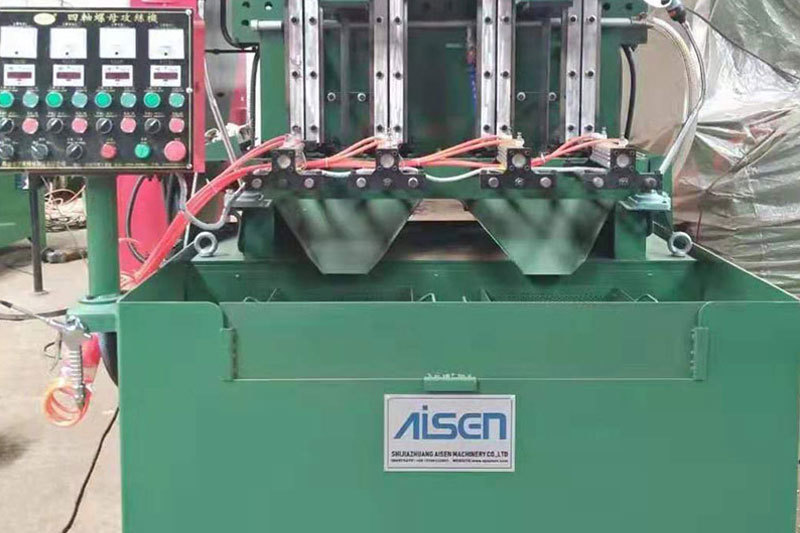
AISEN Four axis nut tapping machine ready for shipment to Russia
Four axis nut tapping machine for DIN934 M8,M10 Standard hex nut is ready for shipping to Russia by land transportation.
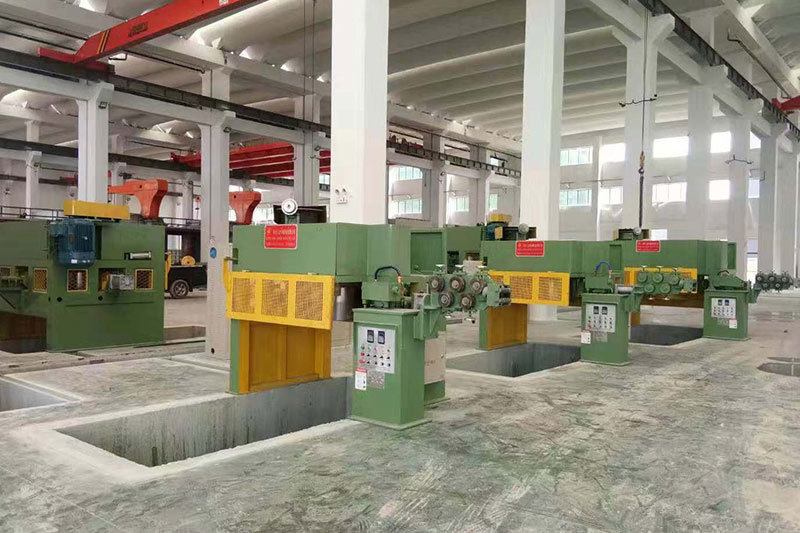
AISEN machinery inverted wire drawing machine
We hope to cooperate with more customers for mutual development and benefits. You are welcome to contact us
MESSAGES
We will contact you within one working day. Please pay attention to your email.
Qucik Link
Contact
Phone: +86-15100123091
E-mail: info@sjzaisen.com
Address: No.41 Zhaiying South Street, Yuhua District, Shijiazhuang City, Hebei Province China