

Maximizing Productivity with Advanced Shearing and Punching Technology in Leather Manufacturing
Jan 01,2026


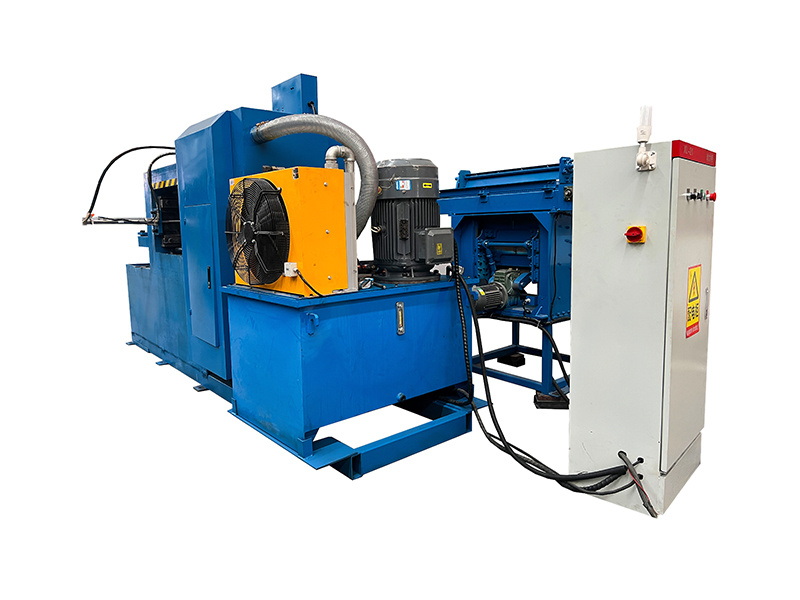
Maximizing Productivity with Advanced Shearing and Punching Technology in Leather Manufacturing
In the competitive world of leather manufacturing, maximizing productivity is not just an advantage; it is a necessity. The integration of advanced shearing and punching technology creates opportunities for manufacturers to streamline their operations, reduce waste, and improve product quality. In this comprehensive guide, we will explore how to harness advanced technologies to optimize productivity in leather processing. From understanding the fundamentals of shearing and punching to implementing best practices, this article serves as a valuable resource for manufacturers looking to enhance their processes.
Table of Contents
- Understanding Shearing and Punching Technology
- Benefits of Advanced Shearing and Punching Technology
- Types of Shearing and Punching Machines
- Choosing the Right Machine for Your Operations
- Optimizing Your Workflow with Shearing and Punching
- Maintenance and Safety Practices for Machinery
- Future Trends in Leather Manufacturing Technology
- Frequently Asked Questions
- Conclusion
Understanding Shearing and Punching Technology
Shearing and punching are critical processes in the leather manufacturing industry, essential for cutting and shaping leather materials into desired forms. In essence, shearing involves cutting materials using a sharp tool, while punching creates holes or shapes in the leather. Advanced technology has revolutionized these processes, making them faster, more efficient, and more precise than ever before.
Shearing machines typically utilize hydraulic or mechanical systems to exert force on the material, ensuring clean cuts without fraying or damage. On the other hand, punching machines use dies and punches to create holes of varying sizes and shapes, allowing for intricate designs and patterns. Incorporating these technologies into your manufacturing process can significantly enhance productivity, reduce labor costs, and improve overall efficiency.
Benefits of Advanced Shearing and Punching Technology
By adopting advanced shearing and punching technologies, manufacturers can realize a multitude of benefits that contribute to improved productivity and profitability:
1. Increased Efficiency
Advanced machinery operates at higher speeds and with greater precision, allowing for faster processing times. This efficiency translates to increased output, enabling manufacturers to meet growing market demands without compromising quality.
2. Enhanced Precision and Quality
Modern shearing and punching machines are equipped with advanced control systems that guarantee accuracy in cutting and shaping processes. This precision reduces material waste and ensures that the final products meet the highest quality standards.
3. Reduced Labor Costs
Automation in shearing and punching processes minimizes the need for manual labor, allowing manufacturers to reallocate human resources to more strategic functions. This shift not only reduces operational costs but also enhances overall productivity.
4. Versatility
Advanced machines can handle a variety of leather types and thicknesses, making them adaptable to diverse manufacturing needs. This versatility enables manufacturers to expand their product offerings without investing in additional machinery.
5. Lower Waste Production
With precise cutting and the ability to optimize layouts, advanced technology reduces material waste significantly. This not only lowers costs but also contributes to sustainable manufacturing practices.
Types of Shearing and Punching Machines
Understanding the types of shearing and punching machines available is crucial for selecting the right one for your manufacturing operations. Here are the most common types:
1. Hydraulic Shearing Machines
Hydraulic shearing machines use hydraulic power to perform cutting operations. They are known for their ability to cut through thick and tough leather materials, making them ideal for high-volume production.
2. Mechanical Shearing Machines
Mechanical shearing machines utilize mechanical systems to cut leather. They are typically faster than hydraulic machines and suitable for lightweight materials, providing flexibility in production.
3. CNC Punching Machines
CNC (Computer Numerical Control) punching machines offer automated precision in creating holes and shapes in leather. They are programmed to execute complex designs, reducing the risk of human error.
4. Die Punching Machines
Die punching machines use pre-made dies to punch shapes into leather. They are effective for producing consistent and repetitive designs quickly, making them a staple in mass production.
5. Laser Cutting Machines
Laser cutting technology has emerged as an innovative method to cut leather with exceptional accuracy. Laser machines provide the ability to create intricate designs and patterns, elevating product uniqueness.
Choosing the Right Machine for Your Operations
Choosing the right shearing and punching machine is essential for maximizing productivity in your leather manufacturing operations. Here are key factors to consider:
1. Material Type and Thickness
Assess the types of leather you will be working with. Thicker, more robust materials may require hydraulic machines, while lighter materials can be effectively processed with mechanical options.
2. Production Volume
Determine your production needs. For high-volume production, investing in CNC or hydraulic machines could offer the speed and efficiency you require.
3. Design Complexity
If your products require intricate designs, consider machines that offer CNC capabilities or laser cutting technology to achieve the desired level of detail.
4. Budget Considerations
Establish a budget for your machinery investments. While advanced machines may come at a higher upfront cost, their long-term efficiency and cost savings can justify the expense.
5. Space and Layout
Evaluate your workshop space. Ensure that the machines you select will fit comfortably within your layout and allow for optimal workflow.
Optimizing Your Workflow with Shearing and Punching
Once you have selected the appropriate machinery, optimizing your workflow is crucial for maximizing productivity. Here are some strategies to consider:
1. Implement Lean Manufacturing Principles
Adopting lean manufacturing principles can help streamline your processes, eliminate waste, and enhance overall efficiency. Focus on continuous improvement and employee engagement to foster a culture of productivity.
2. Train Your Workforce
Invest in comprehensive training for your staff to ensure they understand the machinery and its capabilities. Skilled operators can significantly enhance productivity and maintain quality standards.
3. Schedule Regular Maintenance
Establish a regular maintenance schedule to keep your machinery in optimal condition. Preventive maintenance can reduce downtime and prolong the lifespan of your equipment.
4. Monitor Production Metrics
Utilize data analytics to track production metrics and identify areas for improvement. Continuous monitoring can help you make informed decisions to enhance productivity.
5. Explore Automation Opportunities
Consider further automation of your processes, such as integrating software for inventory management and workflow optimization, to enhance overall operational efficiency.
Maintenance and Safety Practices for Machinery
Ensuring the safety and longevity of your shearing and punching machines is paramount. Here are maintenance and safety practices to implement:
1. Routine Inspections
Conduct regular inspections of machinery components, including blades, motors, and hydraulic systems, to identify wear and replace parts as needed.
2. Proper Lubrication
Maintain proper lubrication of moving parts to minimize friction and wear, ensuring smooth operation and reducing the risk of breakdowns.
3. Safety Training
Provide safety training for all operators to prevent accidents and injuries. Emphasize the importance of following safety protocols and using personal protective equipment (PPE).
4. Emergency Procedures
Establish clear emergency procedures in case of machinery malfunction or accidents. Regular drills can prepare your workforce to respond effectively.
5. Keep Work Areas Clean
A clutter-free workspace promotes safety and efficiency. Regularly clean and organize the area around your machinery to prevent accidents and improve workflow.
Future Trends in Leather Manufacturing Technology
The landscape of leather manufacturing is continuously evolving, with new technologies emerging to drive productivity. Here are some trends to watch for:
1. Sustainable Manufacturing Practices
With increasing environmental concerns, the leather industry is moving toward sustainable practices. Advanced shearing and punching technologies that minimize waste and energy consumption will become more prominent.
2. Integration of Artificial Intelligence
AI-driven analytics will play a significant role in optimizing manufacturing processes. Predictive maintenance and real-time monitoring can enhance productivity and reduce downtime.
3. Growth of Customization
As consumer demand for personalized products increases, manufacturers will need to adapt their shearing and punching capabilities to accommodate custom designs efficiently.
4. Enhanced Robotics in Production
The integration of robotics for handling materials and performing repetitive tasks will streamline operations and allow human workers to focus on more complex activities.
5. Advancements in Material Science
Innovations in material science may lead to the development of new types of leather and synthetic materials, necessitating further advancements in cutting and shaping technologies.
Frequently Asked Questions
1. What is the difference between shearing and punching?
Shearing involves cutting leather into shapes, while punching creates holes or designs in the material. Both processes are essential for shaping leather products.
2. How can I reduce waste during the manufacturing process?
Implement advanced cutting technologies and optimize material layouts to reduce waste. Regular training for your workforce can also help minimize errors that lead to waste.
3. What factors should I consider when choosing a shearing machine?
Consider the type of leather, production volume, complexity of designs, budget, and available space in your workshop when selecting a shearing machine.
4. How often should I perform maintenance on my machinery?
Regular maintenance schedules should be established based on usage patterns, typically ranging from weekly to monthly inspections, with comprehensive checks annually.
5. What future trends should I be aware of in leather manufacturing?
Watch for trends such as sustainable practices, AI integration, customization growth, robotics, and advancements in material science that will shape the future of the industry.
Conclusion
Embracing advanced shearing and punching technology is crucial for leather manufacturers aiming to maximize productivity. By understanding the benefits, selecting the right machinery, optimizing workflows, and prioritizing maintenance and safety, manufacturers can enhance their operational efficiency and product quality. As the industry continues to evolve, staying informed about the latest advancements and trends will be essential for maintaining a competitive edge. The future of leather manufacturing is bright, and with the right technological investments, businesses can thrive in this dynamic marketplace.
PREVIOUS:
Latest News
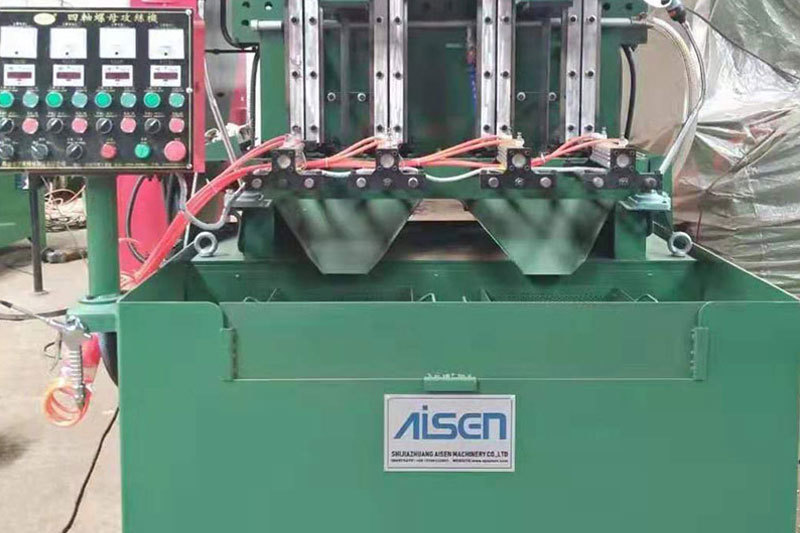
AISEN Four axis nut tapping machine ready for shipment to Russia
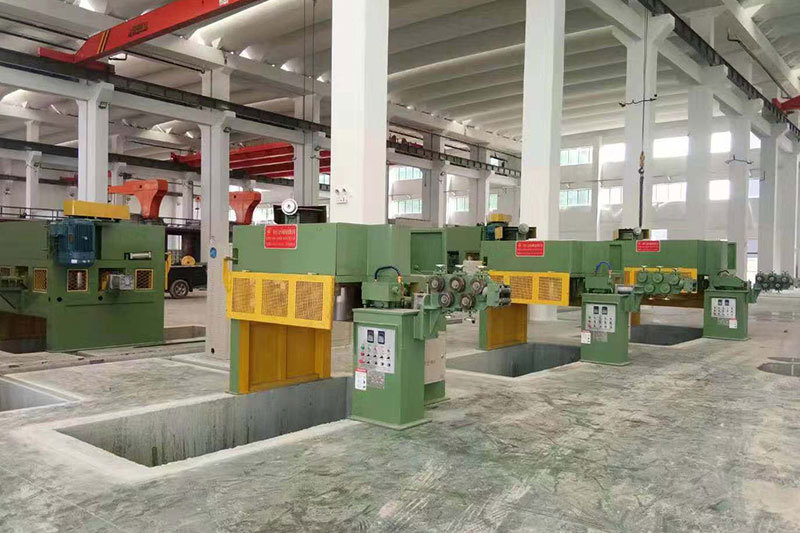
AISEN machinery inverted wire drawing machine
MESSAGES
We will contact you within one working day. Please pay attention to your email.
Qucik Link
Contact
Phone: +86-15100123091
E-mail: info@sjzaisen.com
Address: No.98 Huanghe Road, High-tech Zone, Shijiazhuang City, China