

Choosing Between Single and Double Head Chamfering Machines: A Comprehensive Guide for Optimal Manufacturing Efficiency
Feb 22,2026


Author:
Summary:
Choosing Between Single and Double Head Chamfering Machines: What You Need to Know
Table of Contents
Introduction to Chamfering Machines
Understanding Chamfering: A Key Manufacturing Process
Single Head Chamfering Machines Explained
Advantages of Single Head Chamfering Machines
Double Head Chamfering Machines Explained
Advantages of Double Head Chamfering Machines
Choo
Choosing Between Single and Double Head Chamfering Machines: What You Need to Know
Table of Contents
- Introduction to Chamfering Machines
- Understanding Chamfering: A Key Manufacturing Process
- Single Head Chamfering Machines Explained
- Advantages of Single Head Chamfering Machines
- Double Head Chamfering Machines Explained
- Advantages of Double Head Chamfering Machines
- Choosing the Right Chamfering Machine for Your Needs
- Common Applications for Chamfering Machines
- Maintenance Tips for Chamfering Machines
- Conclusion
- Frequently Asked Questions
Introduction to Chamfering Machines
Chamfering machines play a critical role in various manufacturing processes, particularly in metalworking and woodworking. These machines create beveled edges on materials, improving functionality and aesthetics. When choosing a chamfering machine, manufacturers often face the dilemma of selecting between single head and double head variants. Each type offers unique advantages and is suited for different applications. This guide will help you understand the key differences and considerations for making an informed decision.
Understanding Chamfering: A Key Manufacturing Process
Chamfering involves cutting a bevel on the edges of a workpiece, which serves multiple purposes. It enhances the strength of corners, reduces the risk of chipping during machining, and improves the overall appearance of the finished product. Chamfered edges also facilitate easier assembly and fitting of components. The process is prevalent in industries such as automotive, aerospace, and construction.
Single Head Chamfering Machines Explained
Single head chamfering machines feature one cutting unit, making them a straightforward solution for specific chamfering tasks. They are typically designed for smaller batches or unique workpieces that require precision machining. The simplicity of their design allows for easy operation, making them ideal for businesses with limited production needs.
Key Features of Single Head Chamfering Machines
- **Compact Design**: Suitable for limited workspace.
- **User-Friendly Controls**: Easy to set up and operate.
- **Precision Cutting**: Ideal for intricate and detailed chamfering tasks.
- **Cost-Effective**: Lower initial investment compared to double head machines.
Advantages of Single Head Chamfering Machines
Single head chamfering machines bring several benefits to manufacturers, particularly those focusing on small-scale operations or specialized projects.
1. Flexibility in Operations
Single head machines can easily adapt to various materials and sizes, providing versatility in operations. This flexibility allows manufacturers to handle diverse projects without requiring multiple machines.
2. Lower Maintenance Costs
Due to their simpler mechanics, single head chamfering machines typically incur lower maintenance costs. This aspect makes them an attractive option for smaller businesses looking to minimize operational expenditures.
3. Enhanced Precision
These machines excel in achieving highly accurate chamfers, particularly on complex designs. The precision offered by single head machines can enhance the overall quality of the finished product.
Double Head Chamfering Machines Explained
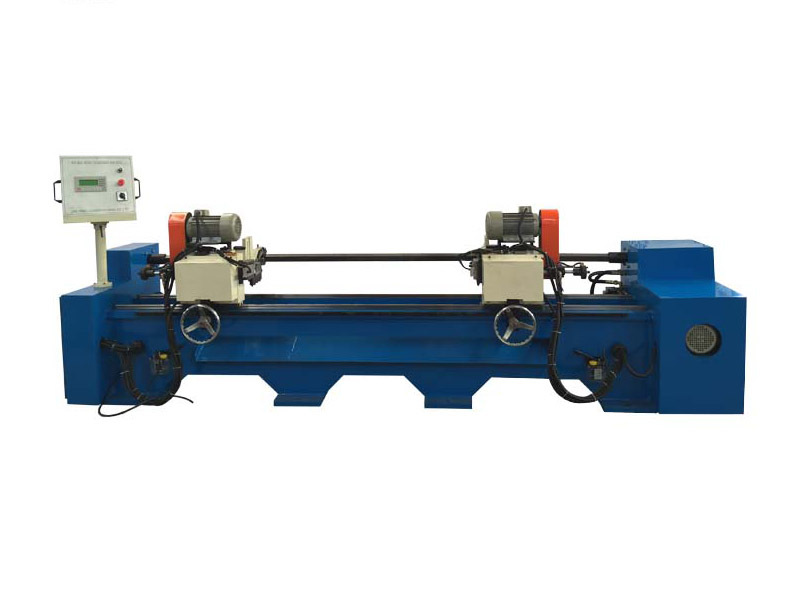
Double head chamfering machines are designed with two cutting units, allowing for simultaneous machining of both sides of a workpiece. This capability significantly boosts productivity, making them a preferred choice for high-volume manufacturing settings.
Key Features of Double Head Chamfering Machines
- **Increased Throughput**: Capable of processing multiple pieces in a single pass.
- **Dual Cutting Capability**: Efficiently chamfers both sides of a workpiece at once.
- **Robust Construction**: Designed for heavy-duty applications and prolonged usage.
Advantages of Double Head Chamfering Machines
The advantages of double head chamfering machines cater to industries with high production demands.
1. Enhanced Productivity
By chamfering both sides of a workpiece simultaneously, double head machines substantially increase throughput. This efficiency is crucial for businesses aiming to meet tight deadlines and high order volumes.
2. Cost-Effectiveness in High-Volume Operations
While the initial investment may be higher, the increased production rates often lead to lower per-unit costs. For manufacturers focused on large runs, double head machines can yield more significant savings over time.
3. Consistent Quality Across Batches
Double head machines ensure uniform chamfering across multiple pieces, enhancing quality control and reducing the risk of defects.
Choosing the Right Chamfering Machine for Your Needs
Selecting between a single head and a double head chamfering machine involves evaluating several factors, including production volume, material types, and specific project requirements.
1. Assessing Production Volume
Consider the volume of workpieces you intend to process. For low to moderate production needs, a single head chamfering machine may suffice. However, if your operations demand high throughput, investing in a double head variant may be more beneficial.
2. Evaluating Material Types
Different materials require varying cutting speeds and techniques. Ensure that the chamfering machine you choose is compatible with the materials you work with most frequently.
3. Budget Considerations
Budget plays a crucial role in your decision-making process. While double head machines typically represent a larger upfront investment, their efficiency may result in long-term savings. Weigh your budget against your production needs to make an informed choice.
Common Applications for Chamfering Machines
Chamfering machines are used across various industries, each with unique applications that benefit from beveled edges.
1. Automotive Industry
In automotive manufacturing, chamfering machines are used to prepare components for assembly, ensuring tight fits and reducing edge chipping.
2. Aerospace Industry
Precision is paramount in aerospace applications. Chamfering machines help create secure joints and reduce stress concentrations in critical components.
3. Metal Fabrication
Metal fabricators often utilize chamfering machines for finishing edges on steel and aluminum parts, enhancing safety and aesthetic appeal.
4. Woodworking
In woodworking, chamfering machines create smooth edges on furniture and cabinets, improving both safety and visual appeal.
Maintenance Tips for Chamfering Machines
To ensure longevity and optimal performance, regular maintenance of chamfering machines is essential.
1. Routine Cleaning
Keep the machine clean from debris and metal shavings that may accumulate during operation. Regular cleaning prevents damage and maintains precision.
2. Lubrication of Moving Parts
Application of appropriate lubricants to moving components minimizes wear and tear, contributing to smoother operation.
3. Regular Inspections
Conduct regular inspections to detect any signs of wear or malfunction. Early detection can prevent more significant issues and downtime.
4. Calibration
Periodically calibrate the machine to ensure that it operates within specified tolerances and maintains accuracy.
Conclusion
Choosing between single and double head chamfering machines requires a thorough understanding of your specific manufacturing needs. Each type has distinct advantages and is suited for different applications. By assessing your production volume, material types, and budget, you can make an informed decision that enhances efficiency and quality in your manufacturing processes. Investing in the right chamfering machine is essential for maintaining competitiveness in today's fast-paced industrial landscape.
Frequently Asked Questions
1. What is the primary difference between single and double head chamfering machines?
The primary difference lies in their design; single head machines have one cutting unit, while double head machines have two, allowing for simultaneous chamfering on both sides of a workpiece.
2. Which type of chamfering machine is better for high-volume production?
Double head chamfering machines are more suitable for high-volume production due to their increased throughput and efficiency.
3. Can single head machines produce the same quality as double head machines?
Yes, single head machines can produce high-quality chamfers, but they are typically slower and may not achieve the same output as double head machines in a high-volume context.
4. What materials can chamfering machines process?
Chamfering machines can process various materials, including metals (steel, aluminum), plastics, and wood, depending on the machine's specifications.
5. How often should I perform maintenance on my chamfering machine?
Regular maintenance should be performed based on usage frequency. However, a good practice is to conduct a thorough inspection and maintenance every few months to ensure optimal performance.
PREVIOUS:
Get A Quote
We will contact you within one working day. Please pay attention to your email.
Latest News
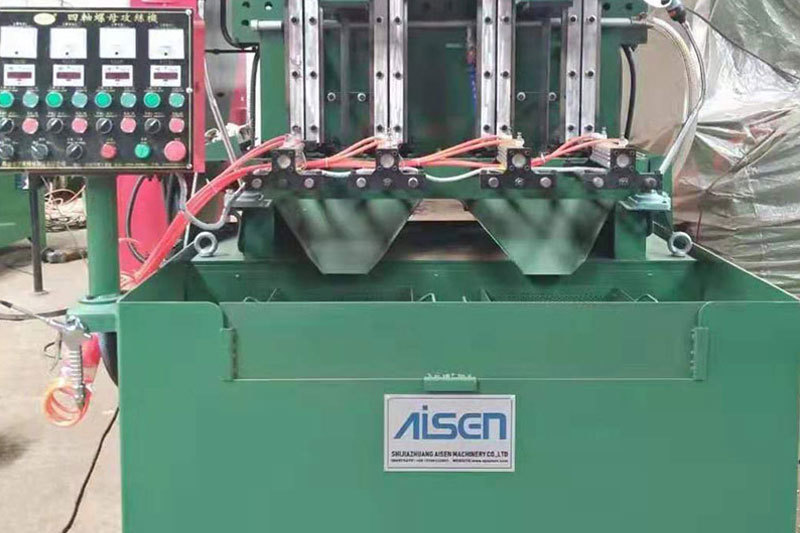
AISEN Four axis nut tapping machine ready for shipment to Russia
Four axis nut tapping machine for DIN934 M8,M10 Standard hex nut is ready for shipping to Russia by land transportation.
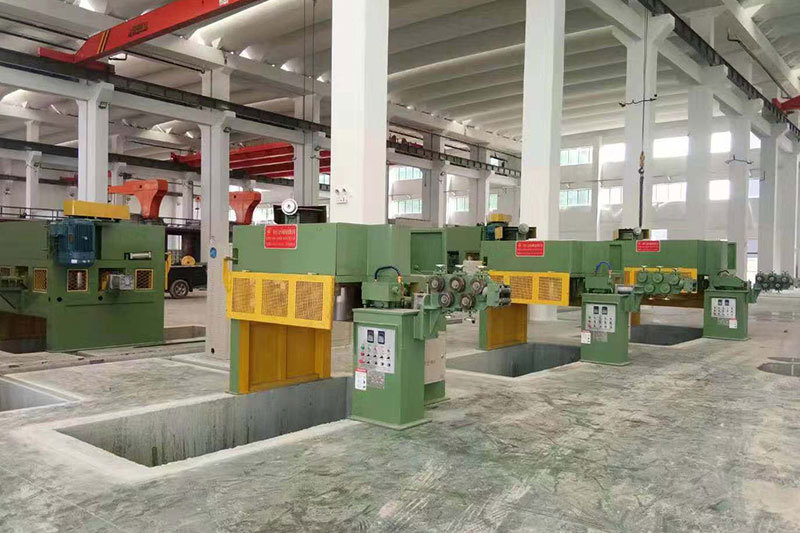
AISEN machinery inverted wire drawing machine
We hope to cooperate with more customers for mutual development and benefits. You are welcome to contact us
MESSAGES
We will contact you within one working day. Please pay attention to your email.
Qucik Link
Contact
Phone: +86-15100123091
E-mail: info@sjzaisen.com
Address: No.41 Zhaiying South Street, Yuhua District, Shijiazhuang City, Hebei Province China