

Maximizing Precision: Why Invest in a CNC Thread Rolling Machine?
Feb 26,2026


Author:
Summary:
Maximizing Precision: Why Invest in a CNC Thread Rolling Machine?
Table of Contents
1. Introduction
2. What is a CNC Thread Rolling Machine?
3. Benefits of CNC Thread Rolling Machines
3.1 Enhanced Precision and Quality
3.2 Increased Production Efficiency
3.3 Cost-Effectiveness
4. Applications of CNC Thread Rolling Machines
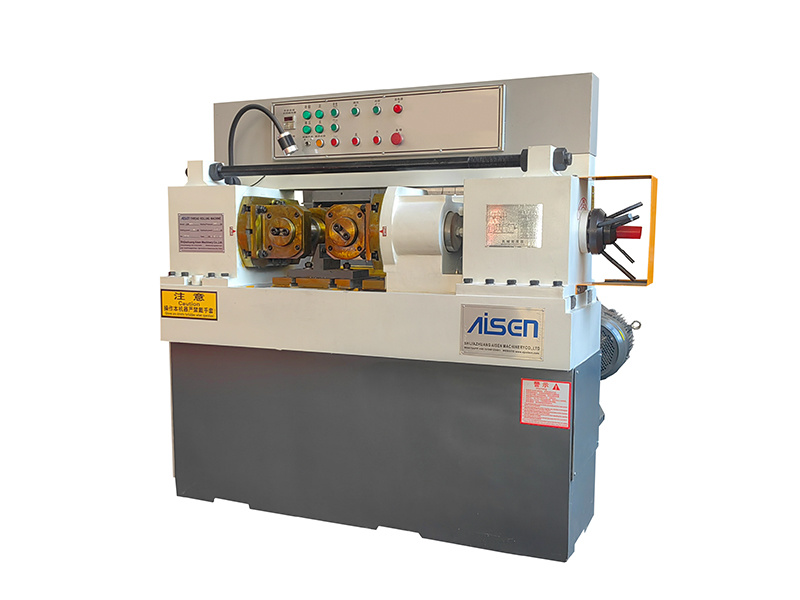
Maximizing Precision: Why Invest in a CNC Thread Rolling Machine?
Table of Contents
- 1. Introduction
- 2. What is a CNC Thread Rolling Machine?
- 3. Benefits of CNC Thread Rolling Machines
- 4. Applications of CNC Thread Rolling Machines
- 5. The Technology Behind CNC Thread Rolling
- 6. Choosing the Right CNC Thread Rolling Machine
- 7. Maintenance and Care of CNC Thread Rolling Machines
- 8. Future Trends in Thread Rolling Technology
- 9. Conclusion
- 10. FAQs
1. Introduction
In today’s competitive manufacturing landscape, precision and efficiency are crucial for success. Industries ranging from automotive to aerospace increasingly rely on advanced machinery to meet stringent quality standards and production demands. One revolutionary technology that has gained prominence is the CNC (Computer Numerical Control) thread rolling machine. These machines offer unmatched precision in creating threaded components, making them an essential investment for any modern manufacturing facility.
2. What is a CNC Thread Rolling Machine?
A CNC thread rolling machine is a specialized device designed to create threads on cylindrical objects through a process known as cold forming. Unlike traditional cutting methods, which remove material to create threads, thread rolling deforms the material to produce threads. This process not only enhances the strength of threads but also results in a smoother finish, reducing the need for further machining.
Understanding the Mechanism
CNC thread rolling machines utilize a set of rollers that move in a specific pattern, guided by computer programming. The material is fed into the machine, where it is subjected to pressure from these rollers, forming threads as it passes through. The precision of CNC technology ensures that the threads produced are consistent in size and shape, meeting exact specifications.
3. Benefits of CNC Thread Rolling Machines
Investing in a CNC thread rolling machine offers numerous advantages that can significantly impact production capabilities.
3.1 Enhanced Precision and Quality
One of the primary benefits of CNC thread rolling machines is their ability to produce high-quality threads with remarkable precision. The computer-controlled nature of these machines allows for tight tolerances, ensuring that threaded components meet the exact specifications required for their applications. This consistent quality not only enhances product reliability but also reduces the likelihood of costly rework and scrap.
3.2 Increased Production Efficiency
CNC thread rolling machines are designed for high-speed operation, allowing manufacturers to produce a larger volume of threaded components in a shorter amount of time. The automated processes reduce manual labor requirements and minimize the potential for human error, which can lead to delays and inefficiencies. By streamlining production, businesses can respond faster to market demands and improve overall productivity.
3.3 Cost-Effectiveness
While the initial investment in a CNC thread rolling machine may seem significant, the long-term cost savings are substantial. The efficiency of these machines translates into lower labor costs, reduced material waste, and minimized downtime. Furthermore, the durability and strength of the threads produced lead to fewer failures in the field, decreasing replacement costs and enhancing customer satisfaction.
4. Applications of CNC Thread Rolling Machines
CNC thread rolling machines are versatile and find applications across various industries. Common uses include:
- **Automotive Manufacturing**: Creating threaded components such as bolts, nuts, and studs critical for vehicle assembly.
- **Aerospace**: Producing lightweight and strong threaded fasteners required for aircraft and spacecraft.
- **Medical Devices**: Manufacturing precise threaded components for surgical instruments and implants.
- **Electronics**: Rolling threads for connectors and housings that require stringent quality standards.
5. The Technology Behind CNC Thread Rolling
The sophisticated technology employed in CNC thread rolling machines is what sets them apart from traditional methods. Key technological components include:
- **Computer Numerical Control**: This technology allows for the precise control of machinery through programmed instructions, resulting in higher accuracy and repeatability.
- **Advanced Roll Design**: The roller design affects the quality of the threads produced. Modern CNC machines utilize optimized roller configurations to enhance thread forming efficiency.
- **Real-Time Monitoring**: Many CNC thread rolling machines incorporate sensors that monitor the process in real-time, allowing for immediate adjustments to maintain quality.
6. Choosing the Right CNC Thread Rolling Machine
Selecting the appropriate CNC thread rolling machine for your operations involves several considerations:
Assessing Production Needs
Evaluate the volume of production and the specific types of threads required. Different machines cater to varying production scales and thread configurations.
Material Compatibility
Ensure that the machine is compatible with the materials you intend to work with, as different materials may require specific rolling techniques.
Budget and ROI Analysis
Consider the initial investment against potential long-term savings and productivity gains. A well-chosen machine can provide significant returns over its lifespan.
Supplier Reputation
Research manufacturers and suppliers for their reputation in providing quality machines and customer support. Investing in a reputable brand can lead to better service and reliability.
7. Maintenance and Care of CNC Thread Rolling Machines
To maximize the lifespan and performance of CNC thread rolling machines, regular maintenance is essential. Key maintenance practices include:
- **Routine Inspections**: Schedule regular inspections to identify any wear or damage to the components.
- **Lubrication**: Ensure that all moving parts are adequately lubricated to prevent friction and wear.
- **Calibration**: Periodically calibrate the machine to maintain accuracy in thread production.
- **Cleaning**: Keep the machine clean from debris and contaminants that can affect performance.
8. Future Trends in Thread Rolling Technology
The manufacturing landscape is continuously evolving, and thread rolling technology is no exception. Some emerging trends include:
- **Automation and Robotics**: The integration of robotic systems into CNC thread rolling machines can further enhance production rates and reduce labor costs.
- **Smart Manufacturing**: Advanced analytics and IoT (Internet of Things) connectivity may enable predictive maintenance and optimize production processes.
- **Sustainability**: As industries focus on reducing their carbon footprint, CNC thread rolling technology may evolve to incorporate more sustainable practices, such as energy-efficient operations and reduced material waste.
9. Conclusion
Investing in a CNC thread rolling machine is a strategic move for any manufacturing operation that values precision, efficiency, and cost-effectiveness. The benefits of enhanced quality, increased production rates, and significant long-term savings make these machines a valuable asset in today’s competitive landscape. As technology continues to evolve, staying ahead with advanced machinery will ensure that your business remains at the forefront of the industry.
10. FAQs
1. What types of materials can be used with CNC thread rolling machines?
CNC thread rolling machines can work with a variety of materials, including steel, aluminum, and certain plastics, providing versatility in production.
2. How does CNC thread rolling compare to traditional thread cutting?
CNC thread rolling is generally faster and produces stronger threads with a smoother finish, while traditional cutting can be slower and may result in more waste.
3. What are the typical maintenance costs for a CNC thread rolling machine?
Maintenance costs vary based on usage and machine type, but regular inspections and upkeep can minimize costs and extend machine life.
4. Can CNC thread rolling machines produce custom threads?
Yes, CNC thread rolling machines can be programmed to create custom threads based on specific requirements, making them highly adaptable to various applications.
5. What is the average lifespan of a CNC thread rolling machine?
With proper maintenance, a CNC thread rolling machine can last for several years, often exceeding a decade, depending on usage and quality.
Get A Quote
We will contact you within one working day. Please pay attention to your email.
Latest News
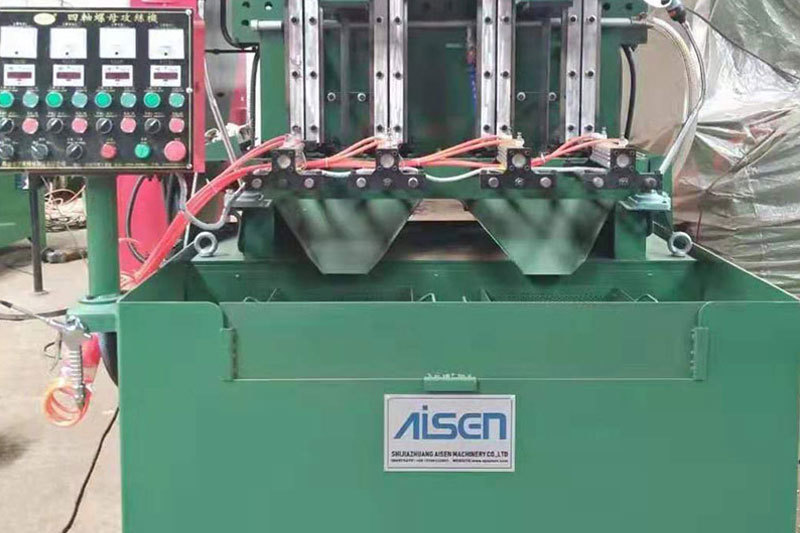
AISEN Four axis nut tapping machine ready for shipment to Russia
Four axis nut tapping machine for DIN934 M8,M10 Standard hex nut is ready for shipping to Russia by land transportation.
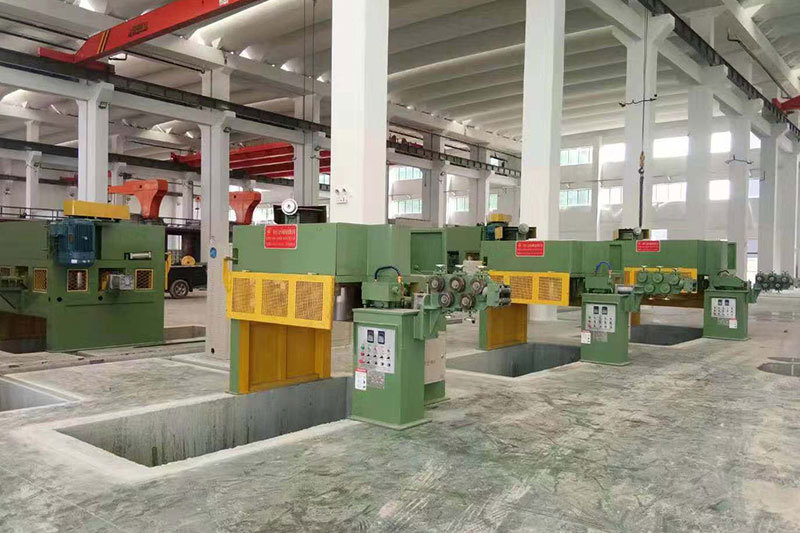
AISEN machinery inverted wire drawing machine
We hope to cooperate with more customers for mutual development and benefits. You are welcome to contact us
MESSAGES
We will contact you within one working day. Please pay attention to your email.
Qucik Link
Contact
Phone: +86-15100123091
E-mail: info@sjzaisen.com
Address: No.41 Zhaiying South Street, Yuhua District, Shijiazhuang City, Hebei Province China