
The Future of Metalworking: Fully Automatic Double-Head Chamfering Machines
Mar 02,2026


Author:
Summary:
The Future of Metalworking: Fully Automatic Double-Head Chamfering Machines
Table of Contents
Introduction to Chamfering Machines
What Is a Double-Head Chamfering Machine?
Benefits of Fully Automatic Chamfering Machines
How Chamfering Machines Work
Applications of Chamfering Machines in Metalworking
The Future of Metalworking Technology
Choosing the Right Chamfering Ma
The Future of Metalworking: Fully Automatic Double-Head Chamfering Machines
Table of Contents
- Introduction to Chamfering Machines
- What Is a Double-Head Chamfering Machine?
- Benefits of Fully Automatic Chamfering Machines
- How Chamfering Machines Work
- Applications of Chamfering Machines in Metalworking
- The Future of Metalworking Technology
- Choosing the Right Chamfering Machine for Your Needs
- FAQs About Double-Head Chamfering Machines
- Conclusion
Introduction to Chamfering Machines
Chamfering is a crucial process in the metalworking industry that involves beveling the edges of components to enhance their functionality and aesthetics. As manufacturing technology evolves, **fully automatic double-head chamfering machines** are at the forefront of this transformation. These machines not only improve efficiency but also ensure precision and consistency in chamfering operations.
In this article, we will explore how these advanced machines are shaping the future of metalworking, the benefits they offer, and the technological innovations driving their popularity.
What Is a Double-Head Chamfering Machine?
A **double-head chamfering machine** is an advanced machining tool designed to simultaneously chamfer two edges of a workpiece. This capability significantly increases the productivity of the machining process, making it an ideal choice for high-volume production environments.
These machines utilize advanced automation technologies, allowing for the integration of multiple functions such as measuring, cutting, and finishing in one cohesive system. The double-head configuration allows manufacturers to process parts more quickly and with greater accuracy compared to single-head machines.
Key Features of Double-Head Chamfering Machines
- **High Precision:** Equipped with advanced CNC technology, these machines deliver precise angles and dimensions with minimal deviations.
- **Speed and Efficiency:** The dual-headed design means that two edges can be chamfered simultaneously, drastically reducing cycle times.
- **User-Friendly Interface:** Modern chamfering machines come with intuitive controls, making them easier to operate and program, even for less experienced personnel.
- **Versatility:** These machines can handle a variety of materials, including metals, plastics, and composites, making them suitable for diverse applications across multiple industries.
Benefits of Fully Automatic Chamfering Machines
The adoption of **fully automatic chamfering machines** offers numerous advantages that can transform manufacturing processes:
1. Increased Productivity
Fully automatic systems can operate continuously without the need for constant manual intervention. This not only increases output but also allows operators to focus on other critical tasks, thus optimizing overall productivity.
2. Enhanced Precision and Quality
Automation minimizes human error, ensuring higher quality standards. The CNC control systems provide consistent results, which is essential when working with tight tolerances.
3. Cost-Effectiveness
Although the initial investment in fully automatic machines may be higher, the long-term savings on labor costs and increased efficiency often justify this expense. Additionally, reduced waste and rework due to improved precision contribute to cost savings.
4. Improved Workplace Safety
By automating hazardous processes, these machines reduce the risk of workplace injuries associated with manual grinding and cutting operations.
5. Flexibility in Design
Modern chamfering machines can easily be programmed to handle various designs and specifications. This flexibility accommodates changing production needs without significant downtime.
How Chamfering Machines Work
To understand the functionality of fully automatic double-head chamfering machines, it is essential to look at their operational components:
1. Material Feeding Mechanism
The material feeding mechanism is responsible for positioning the workpieces correctly within the machine. This could be achieved through manual loading or automated systems such as conveyors or robotic arms.
2. Cutting Tools
These machines utilize specialized cutting tools designed specifically for chamfering. The choice of tool material and geometry is crucial for achieving optimal cutting performance, especially when dealing with harder materials.
3. CNC Control System
The heart of the fully automatic chamfering machine is its CNC control system. This technology allows operators to input precise specifications for chamfering, including dimensions and angles, and the machine executes the task with high accuracy.
4. Cooling and Lubrication Systems
To maintain tool longevity and ensure a smooth cutting process, cooling and lubrication systems are employed. These systems help to dissipate heat generated during cutting and reduce friction between the tool and the workpiece.
Applications of Chamfering Machines in Metalworking
Fully automatic double-head chamfering machines are used in various sectors within the metalworking industry. Their versatility makes them suitable for a range of applications:
1. Automotive Industry
In the automotive sector, chamfering is essential for components such as engine blocks, transmission cases, and other parts where precise edges are critical for assembly and performance.
2. Aerospace Manufacturing
The aerospace industry demands stringent quality control and precision. Chamfering machines play a vital role in manufacturing components that meet rigorous safety standards.
3. Construction Materials
In construction, chamfering is often applied to structural steel and other materials to improve safety and aesthetics. Fully automatic machines can handle large volumes of material, making them ideal for this application.
4. General Fabrication
From machinery parts to consumer products, the ability to quickly chamfer different shapes and sizes makes these machines invaluable in general fabrication.
The Future of Metalworking Technology
The future of metalworking is being shaped by rapid technological advancements, particularly in automation and artificial intelligence. Fully automatic chamfering machines are just one example of how technology is restructuring manufacturing processes.
1. Integration of AI and Machine Learning
As AI continues to evolve, future chamfering machines could incorporate machine learning algorithms that optimize cutting paths and tool usage based on historical data. This would lead to even greater efficiencies and reduced costs.
2. Enhanced Connectivity
The rise of the Internet of Things (IoT) means that future chamfering machines may be equipped with sensors that provide real-time data on machine performance and maintenance needs. This connectivity can help manufacturers anticipate issues before they result in costly downtime.
3. Eco-Friendly Manufacturing
Sustainability is becoming increasingly important in manufacturing. Future chamfering machines will likely be designed with energy efficiency in mind and may utilize eco-friendly cutting fluids and recyclable materials.
Choosing the Right Chamfering Machine for Your Needs
Selecting the right fully automatic double-head chamfering machine requires careful consideration of several factors:
1. Material Type
Different materials require different cutting tools and techniques. Assess the types of materials you will be working with to ensure the machine is compatible.
2. Production Volume
Evaluate your production needs. For high-volume production, investing in a fully automatic machine is beneficial, whereas low-volume applications may still be efficiently managed with semi-automatic models.
3. Required Precision
Consider the precision required for your projects. If your work involves tight tolerances, prioritize machines with advanced CNC capabilities.
4. Budget Constraints
Determine your budget, not only for the initial purchase but also for maintenance, tooling, and potential upgrades in the future.
FAQs About Double-Head Chamfering Machines
1. What are the primary uses of double-head chamfering machines?
Double-head chamfering machines are primarily used in metalworking to bevel edges on various materials, enhancing both functionality and aesthetics for automotive, aerospace, and construction applications.
2. How do fully automatic chamfering machines improve production efficiency?
These machines operate continuously and require less manual intervention, allowing for simultaneous processing of two edges, which significantly reduces cycle times and boosts overall production efficiency.
3. Are double-head chamfering machines easy to operate?
Yes, modern chamfering machines come equipped with user-friendly interfaces and programmable controls, making them accessible even for operators with limited experience.
4. What factors should I consider when purchasing a chamfering machine?
Key factors include material compatibility, production volume needs, required precision, and budget constraints.
5. What is the expected lifespan of a double-head chamfering machine?
With proper maintenance and care, a double-head chamfering machine can last many years, often exceeding a decade, depending on usage intensity and operational conditions.
Conclusion
Fully automatic double-head chamfering machines represent a significant leap forward in the realm of metalworking. With their ability to enhance productivity, precision, and efficiency, these machines are poised to play a crucial role in the future of manufacturing. As technology continues to advance, the capabilities and applications of these machines will only expand, making them an essential investment for metalworking businesses aiming to thrive in an increasingly competitive landscape. By understanding their functions and benefits, manufacturers can better position themselves to leverage these advancements and lead the charge into the future of metalworking.
Get A Quote
We will contact you within one working day. Please pay attention to your email.
Latest News
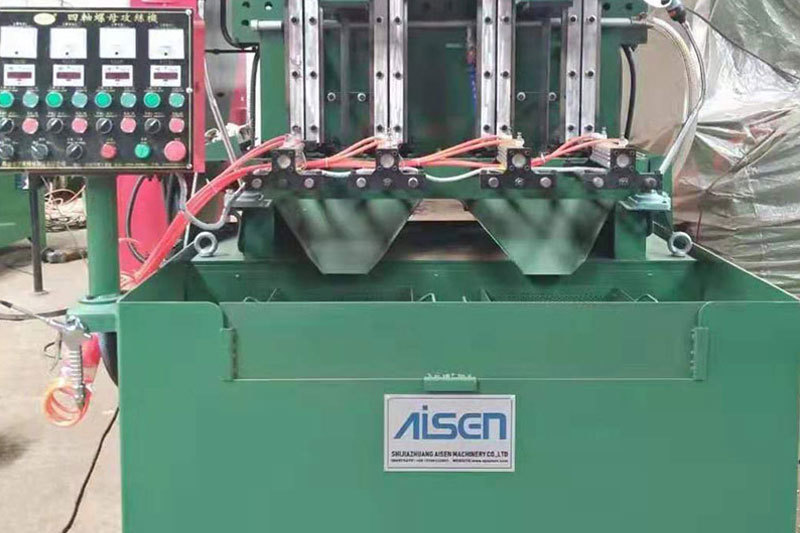
AISEN Four axis nut tapping machine ready for shipment to Russia
Four axis nut tapping machine for DIN934 M8,M10 Standard hex nut is ready for shipping to Russia by land transportation.
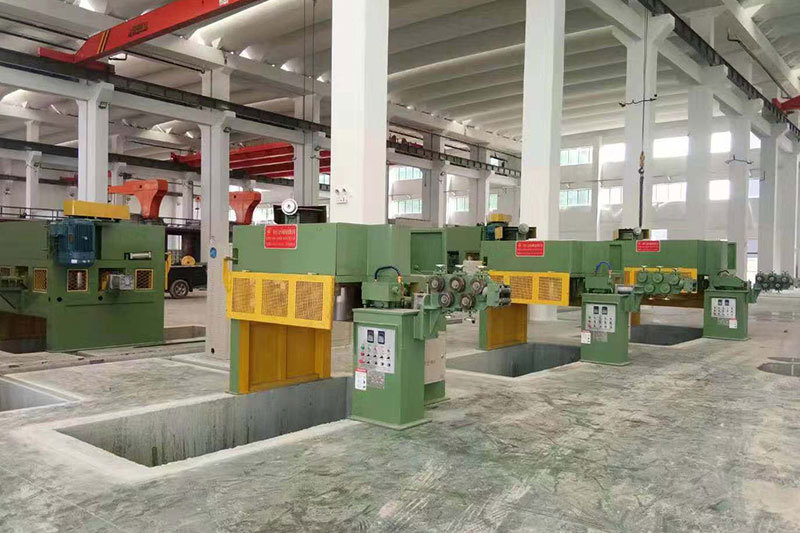
AISEN machinery inverted wire drawing machine
We hope to cooperate with more customers for mutual development and benefits. You are welcome to contact us
MESSAGES
We will contact you within one working day. Please pay attention to your email.
Qucik Link
Contact
Phone: +86-15100123091
E-mail: info@sjzaisen.com
Address: No.41 Zhaiying South Street, Yuhua District, Shijiazhuang City, Hebei Province China