

From Concept to Creation: The Crucial Role of CNC Thread Rolling Machines in Modern Manufacturing
Mar 14,2026


Author:
Summary:
From Concept to Creation: The Crucial Role of CNC Thread Rolling Machines in Modern Manufacturing
Table of Contents
Introduction to CNC Thread Rolling Machines
Understanding CNC Thread Rolling Technology
Benefits of Using CNC Thread Rolling Machines
Applications of CNC Thread Rolling in Various Industries
The Manufacturing Process: From Concept to Creation
Choosing the Rig
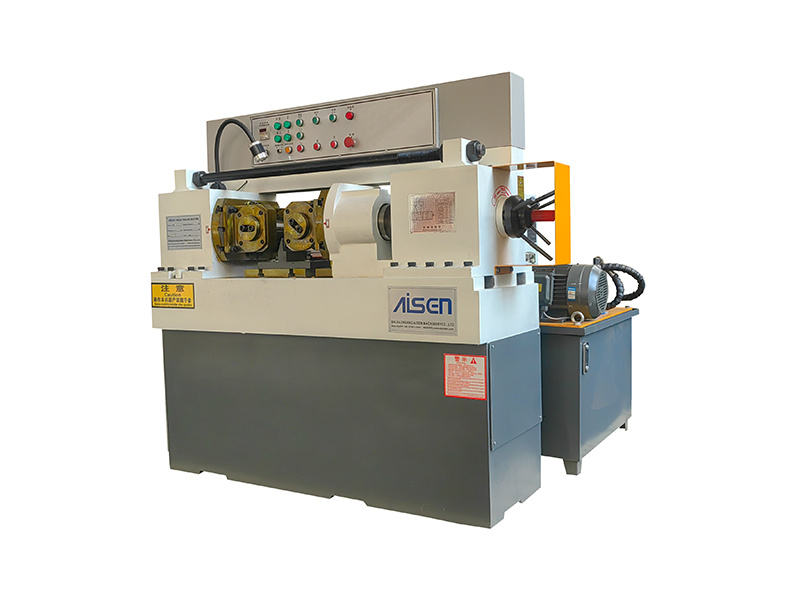
From Concept to Creation: The Crucial Role of CNC Thread Rolling Machines in Modern Manufacturing
Table of Contents
- Introduction to CNC Thread Rolling Machines
- Understanding CNC Thread Rolling Technology
- Benefits of Using CNC Thread Rolling Machines
- Applications of CNC Thread Rolling in Various Industries
- The Manufacturing Process: From Concept to Creation
- Choosing the Right CNC Thread Rolling Machine
- The Future of CNC Thread Rolling Technology
- Conclusion
- FAQs about CNC Thread Rolling Machines
Introduction to CNC Thread Rolling Machines
In the realm of advanced manufacturing, **CNC thread rolling machines** have emerged as pivotal tools that significantly enhance production capabilities. As industries demand higher precision and efficiency, these machines provide the necessary solutions to fabricate high-quality threaded components. In this article, we will explore the intricate workings of these machines, their benefits, applications, and the future of thread rolling technology.
Understanding CNC Thread Rolling Technology
CNC thread rolling is a cold forming process that involves the deformation of material to create threads on a workpiece. Unlike traditional cutting methods, which remove material to form threads, thread rolling displaces the material, allowing for greater strength and durability in the final product.
The Mechanism Behind CNC Thread Rolling
CNC thread rolling machines operate using cylindrical dies that are precisely engineered to create specific thread profiles. The process begins with a blank workpiece, which is fed between the rotating dies. As the dies rotate, they exert pressure on the workpiece, forming threads through a combination of pressure and motion. This method not only produces superior thread quality but also results in less waste material, making it an environmentally friendly option for manufacturers.
Types of Thread Rolling Machines
There are several types of CNC thread rolling machines designed for specific applications. These include:
- **Flat Die Thread Rolling Machines:** Ideal for producing large quantities of smaller threaded components.
- **Planetary Thread Rolling Machines:** Used for creating complex thread forms and larger components.
- **Multi-Station Thread Rolling Machines:** Suitable for high-volume production with multiple operations integrated into a single machine.
Benefits of Using CNC Thread Rolling Machines
The integration of CNC thread rolling machines in manufacturing processes offers numerous advantages that contribute to operational efficiency and product quality.
Enhanced Precision and Quality
CNC technology allows for precise control over the thread rolling process, ensuring consistent thread dimensions and profiles. The result is a final product that meets stringent quality standards.
Cost Efficiency
By utilizing cold forming techniques, CNC thread rolling reduces material waste and lowers production costs. Furthermore, the high-speed operation of these machines leads to decreased cycle times, enhancing overall productivity.
Increased Strength and Durability
Products manufactured through thread rolling exhibit superior tensile strength due to the cold work hardening of the material. This makes them ideal for high-stress applications, reducing the risk of failure.
Flexibility and Versatility
CNC thread rolling machines can be easily programmed to accommodate various thread sizes and profiles, providing manufacturers with the flexibility to respond quickly to changing market demands.
Applications of CNC Thread Rolling in Various Industries
CNC thread rolling technology is utilized across a diverse range of industries, each benefiting from the unique advantages it offers.
Aerospace and Automotive Industries
In sectors where precision and reliability are paramount, such as aerospace and automotive manufacturing, CNC thread rolling machines produce critical components like bolts, screws, and fittings that must withstand extreme conditions.
Electronics and Electrical Components
The electronics industry relies on thread-rolled components for connectors, fasteners, and housings, where precise dimensions and high strength are required to ensure performance and durability.
Medical Device Manufacturing
Medical devices often require specialized threaded components for assembly and functionality. CNC thread rolling provides the necessary accuracy and cleanliness required for critical medical applications.
The Manufacturing Process: From Concept to Creation
The journey from concept to creation involves several stages, each crucial to ensuring a successful manufacturing outcome.
Design and Prototyping
The process begins with the design and prototyping phase, where engineers utilize CAD software to create detailed models of the threaded components. This allows for thorough testing and refinement before production begins.
Material Selection
Choosing the right material is essential for achieving optimal results in thread rolling. Common materials include stainless steel, aluminum, and high-strength alloys, selected based on the application's specific requirements.
Programming the CNC Machine
Once the design is finalized and the material selected, the next step involves programming the CNC thread rolling machine. Operators input precise specifications into the machine to ensure accurate thread formation.
Production and Quality Control
With everything in place, production can commence. During this phase, quality control measures are implemented to monitor the consistency and integrity of the thread-rolled components, ensuring they meet industry standards.
Choosing the Right CNC Thread Rolling Machine
Selecting the appropriate CNC thread rolling machine is vital for optimizing manufacturing processes. Factors to consider include:
Production Volume
Evaluate the expected production volume to determine whether a high-speed machine or a multi-station machine is more suitable for your needs.
Type of Material
Different machines are better suited for various materials. Ensure compatibility between the machine and the materials you plan to use.
Thread Specifications
Consider the size and type of threads that need to be produced. Machines with interchangeable dies may offer the versatility required for varied production runs.
The Future of CNC Thread Rolling Technology
As technology continues to evolve, CNC thread rolling machines are poised to incorporate advanced features such as automation, AI integration, and enhanced user interfaces. The future promises even greater efficiencies and capabilities, allowing manufacturers to remain competitive in a rapidly changing market.
Sustainability and Environmental Impact
Manufacturers are increasingly focused on sustainability, and CNC thread rolling technology contributes to this effort by minimizing waste and energy consumption. Future developments may lead to even greener manufacturing practices.
Conclusion
CNC thread rolling machines play a significant role in modern manufacturing, bridging the gap between concept and creation. Their ability to produce high-quality threaded components with precision and efficiency positions them as essential tools across various industries. As technology continues to advance, we can expect further innovations that will enhance the capabilities of CNC thread rolling, paving the way for a more sustainable and efficient manufacturing future.
FAQs about CNC Thread Rolling Machines
1. What materials can be processed using CNC thread rolling machines?
CNC thread rolling machines can process various materials, including stainless steel, aluminum, brass, and high-strength alloys, depending on the machine's specifications.
2. How does thread rolling compare to traditional machining methods?
Unlike traditional machining, which removes material to create threads, thread rolling deforms the material, resulting in less waste and stronger finished products.
3. What industries benefit most from CNC thread rolling technology?
CNC thread rolling technology is widely used in aerospace, automotive, electronics, and medical device manufacturing, where precision and durability are crucial.
4. How can I determine the right CNC thread rolling machine for my needs?
Consider factors such as production volume, material type, and thread specifications to select the most suitable machine for your manufacturing requirements.
5. What are the advantages of using CNC thread rolling machines?
CNC thread rolling machines offer enhanced precision, cost efficiency, increased strength, and flexibility, making them advantageous for modern manufacturing processes.
Get A Quote
We will contact you within one working day. Please pay attention to your email.
Latest News
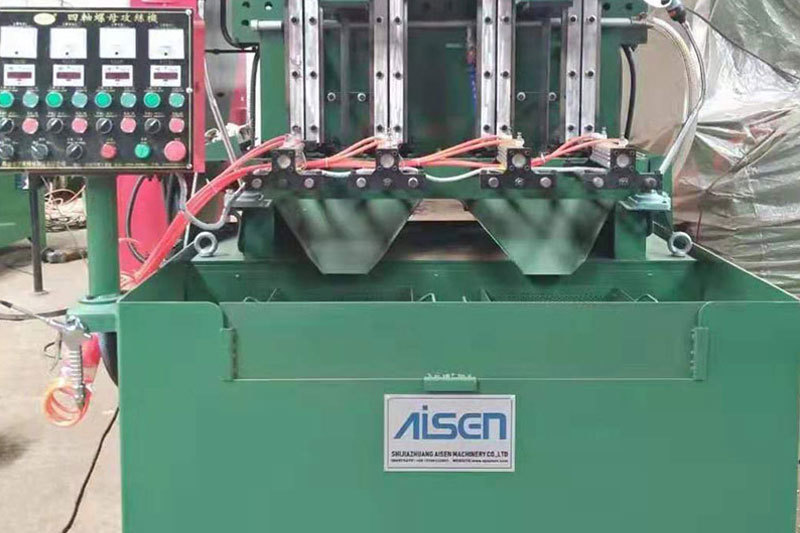
AISEN Four axis nut tapping machine ready for shipment to Russia
Four axis nut tapping machine for DIN934 M8,M10 Standard hex nut is ready for shipping to Russia by land transportation.
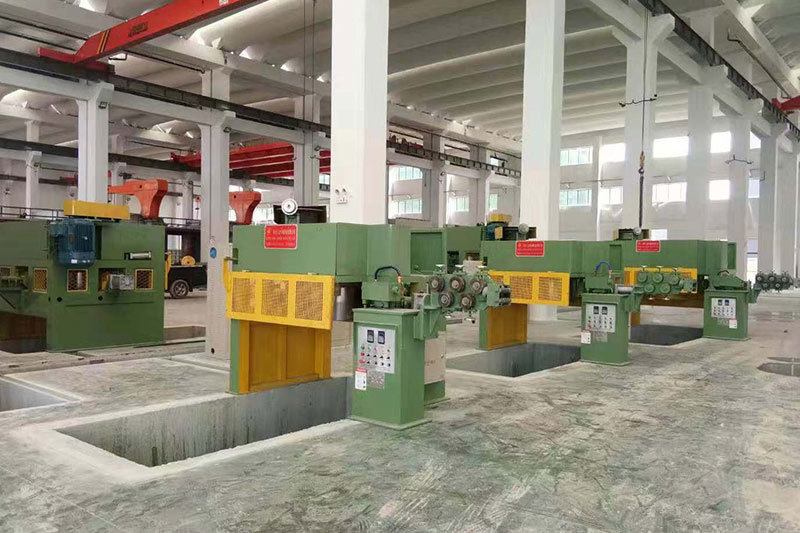
AISEN machinery inverted wire drawing machine
We hope to cooperate with more customers for mutual development and benefits. You are welcome to contact us
MESSAGES
We will contact you within one working day. Please pay attention to your email.
Qucik Link
Contact
Phone: +86-15100123091
E-mail: info@sjzaisen.com
Address: No.41 Zhaiying South Street, Yuhua District, Shijiazhuang City, Hebei Province China