

Self Drilling Screw Machines Explained: A Comprehensive Guide for Manufacturers
Mar 22,2026


Summary:
Self Drilling Screw Machines Explained: A Comprehensive Guide for Manufacturers
Table of Contents
1. Understanding Self-Drilling Screws
2. The Importance of Self-Drilling Screw Machines in Manufacturing
3. Key Components of Self-Drilling Screw Machines
3.1 Feed Mechanism
3.2 Drill Bit Design
3.3 Screw Drive and Torque Control
4. Types of Self-Drilling Screw Machines
4.1 Automatic vs. Semi-Automati

Self Drilling Screw Machines Explained: A Comprehensive Guide for Manufacturers
Table of Contents
1. Understanding Self-Drilling Screws
2. The Importance of Self-Drilling Screw Machines in Manufacturing
3. Key Components of Self-Drilling Screw Machines
3.1 Feed Mechanism
3.2 Drill Bit Design
3.3 Screw Drive and Torque Control
4. Types of Self-Drilling Screw Machines
4.1 Automatic vs. Semi-Automatic Machines
4.2 CNC-Driven Models
5. The Manufacturing Process: How Self-Drilling Screw Machines Operate
6. Benefits of Using Self-Drilling Screw Machines
6.1 Increased Efficiency
6.2 Cost Reduction
7. Maintenance and Troubleshooting of Self-Drilling Screw Machines
8. Future Trends in Self-Drilling Screw Technology
9. Frequently Asked Questions (FAQs)
10. Conclusion
1. Understanding Self-Drilling Screws
Self-drilling screws are specialized fasteners designed to create their own hole while being driven into materials. They are engineered with a drill point that allows them to penetrate various substrates—including metal, wood, and plastic—without the need for pre-drilling. This unique feature significantly reduces assembly time and increases productivity on the manufacturing floor.
2. The Importance of Self-Drilling Screw Machines in Manufacturing
Self-drilling screw machines play a crucial role in the manufacturing sector. They automate the process of inserting screws into assemblies, ensuring precision and uniformity. This automation not only helps in maintaining high production rates but also enhances the quality of the final product by reducing human error. For manufacturers looking to stay competitive, investing in self-drilling screw machines is essential.
3. Key Components of Self-Drilling Screw Machines
Understanding the key components of self-drilling screw machines is vital for optimizing their performance. Each component contributes to the machine's overall efficiency and precision.
3.1 Feed Mechanism
The feed mechanism is responsible for delivering screws to the driving mechanism. A reliable feed system ensures that screws are supplied consistently and at the right pace, allowing for uninterrupted operation.
3.2 Drill Bit Design
The drill bit design is crucial for the effectiveness of self-drilling screws. A well-engineered drill bit can penetrate hard materials while minimizing the risk of breakage or wear. Manufacturers must select machines with drill bits tailored to their specific applications.
3.3 Screw Drive and Torque Control
Effective screw drive and torque control are vital for achieving the correct fastening pressure. These features ensure that screws are driven to the appropriate depth without damaging the substrate or the screw itself.
4. Types of Self-Drilling Screw Machines
There are various types of self-drilling screw machines available, each suited for specific manufacturing needs.
4.1 Automatic vs. Semi-Automatic Machines
Automatic machines operate independently, requiring minimal human intervention. They are ideal for high-volume production. In contrast, semi-automatic machines may require operators to load screws manually, making them suitable for smaller production runs.
4.2 CNC-Driven Models
CNC (Computer Numerical Control) machines offer advanced precision and flexibility. They can be programmed to handle complex tasks and adjust to various specifications, making them a popular choice for manufacturers seeking versatility.
5. The Manufacturing Process: How Self-Drilling Screw Machines Operate
The operation of self-drilling screw machines involves several key steps:
1. **Loading:** Screws are loaded into the machine’s feed mechanism.
2. **Positioning:** The machine positions the screw over the designated hole.
3. **Drilling:** The drill bit penetrates the material, creating a hole.
4. **Driving:** The machine drives the screw into the hole until it's securely fastened.
5. **Ejection:** Once the screw is installed, the machine ejects any scrap material and prepares for the next screw.
This streamlined process maximizes efficiency and minimizes downtime, resulting in higher productivity levels.
6. Benefits of Using Self-Drilling Screw Machines
Investing in self-drilling screw machines offers multiple advantages for manufacturers.
6.1 Increased Efficiency
Self-drilling screw machines significantly speed up the fastening process. By automating screw insertion, manufacturers can achieve higher output rates, allowing them to meet demand more effectively.
6.2 Cost Reduction
By reducing the need for pre-drilling and manual labor, self-drilling screw machines lower operational costs. Manufacturers can allocate resources more efficiently and increase their profit margins.
7. Maintenance and Troubleshooting of Self-Drilling Screw Machines
Regular maintenance is essential for ensuring the longevity and optimal performance of self-drilling screw machines. Key maintenance practices include:
- **Regular Cleaning:** Keeping the machines free of debris and residue to prevent malfunctions.
- **Lubrication:** Ensuring that moving parts are adequately lubricated to reduce wear and tear.
- **Calibration:** Regularly checking and calibrating the machine settings to maintain precision.
Troubleshooting common issues such as inconsistent screw feeding or poor fastening quality is also crucial. Manufacturers should establish a routine maintenance schedule to address these problems promptly.
8. Future Trends in Self-Drilling Screw Technology
As technology continues to advance, several trends are shaping the future of self-drilling screw machines:
- **Smart Technology Integration:** The incorporation of IoT and AI in self-drilling screw machines will enhance monitoring and control, leading to better performance and predictive maintenance.
- **Sustainability:** Manufacturers are increasingly focusing on sustainable practices, pushing for machines that minimize waste and energy consumption.
- **Enhanced Precision:** Ongoing research and development will lead to even more precise drilling and driving capabilities, catering to increasingly complex manufacturing needs.
9. Frequently Asked Questions (FAQs)
1. What materials can self-drilling screw machines work with?
Self-drilling screw machines can work with a variety of materials, including metal, wood, and plastics, making them versatile for different manufacturing applications.
2. How do I select the right self-drilling screw machine for my business?
Consider factors such as production volume, material types, and specific fastening requirements. Consulting with equipment specialists can also help you make an informed decision.
3. What maintenance is required for self-drilling screw machines?
Regular cleaning, lubrication, and calibration are essential for maintaining optimal performance and ensuring the longevity of the machines.
4. Can self-drilling screw machines be integrated into existing production lines?
Yes, self-drilling screw machines can often be integrated into existing production lines, enhancing efficiency without requiring a complete overhaul.
5. What are the safety considerations when operating self-drilling screw machines?
Operators should follow safety protocols, use personal protective equipment, and ensure that machines are properly maintained to minimize risks during operation.
10. Conclusion
Self-drilling screw machines represent a significant advancement in manufacturing technology, providing efficiency, precision, and cost savings. By understanding their components, operation, and benefits, manufacturers can make informed decisions about investing in this essential machinery. As the industry evolves, staying abreast of technological advancements will ensure that your operations remain competitive. Embrace the future of manufacturing with self-drilling screw machines, and unlock new possibilities for your business.
PREVIOUS:
Latest News
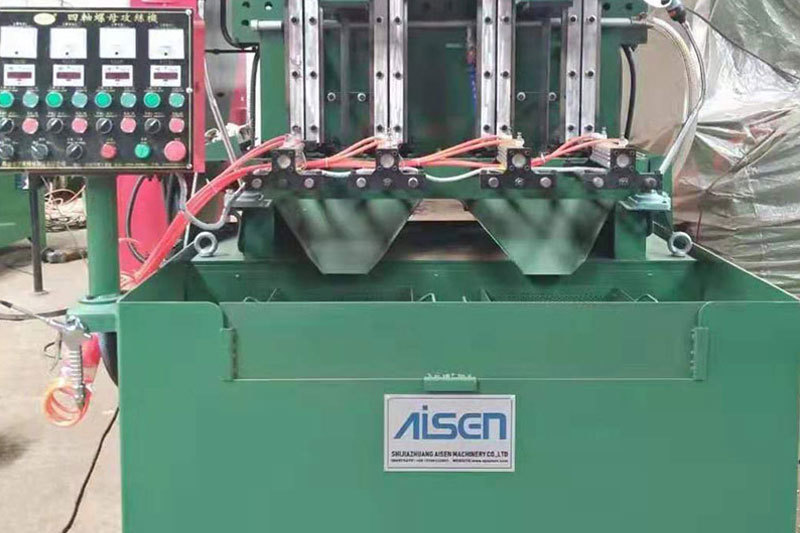
AISEN Four axis nut tapping machine ready for shipment to Russia
Four axis nut tapping machine for DIN934 M8,M10 Standard hex nut is ready for shipping to Russia by land transportation.
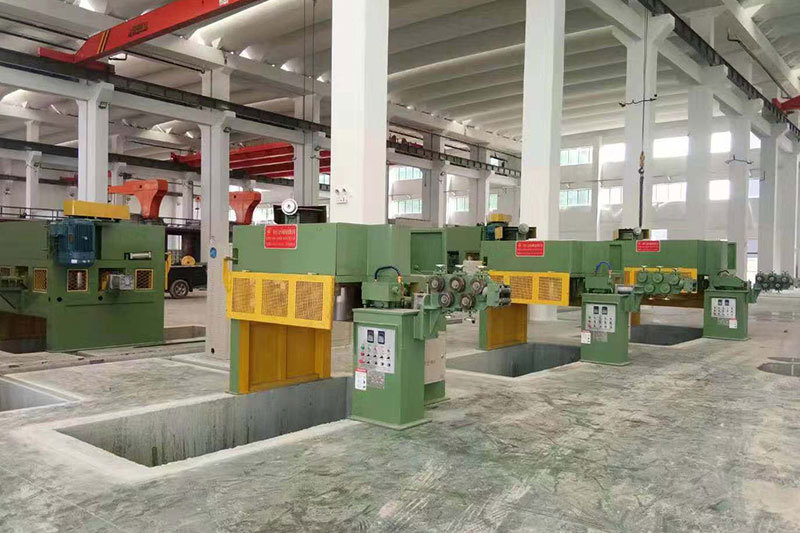
AISEN machinery inverted wire drawing machine
We hope to cooperate with more customers for mutual development and benefits. You are welcome to contact us
MESSAGES
We will contact you within one working day. Please pay attention to your email.
Qucik Link
Contact
Phone: +86-15100123091
E-mail: info@sjzaisen.com
Address: No.98 Huanghe Road, High-tech Zone, Shijiazhuang City, China