

Enhancing Product Quality: The Advantages of CNC Thread Rolling Machines
Apr 15,2026


Author:
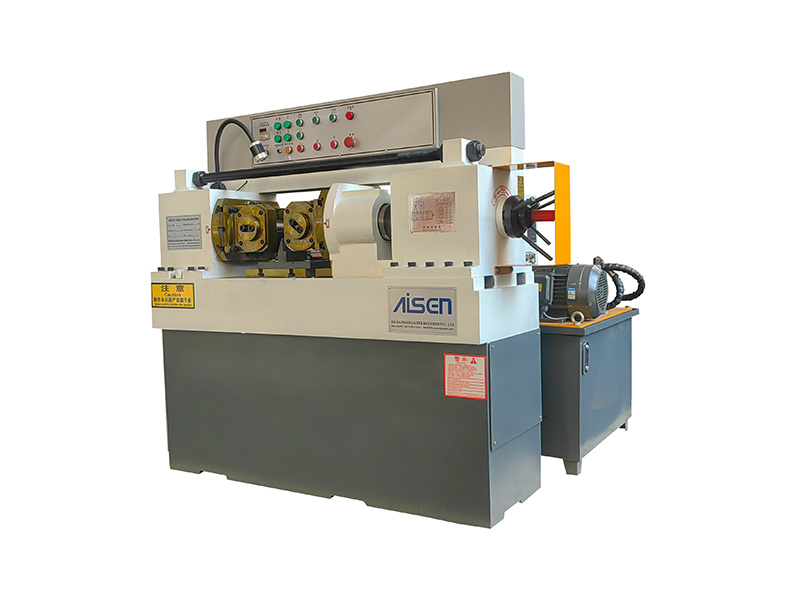
Enhancing Product Quality: The Advantages of CNC Thread Rolling Machines
In the fast-paced world of manufacturing, maintaining high product quality is essential for businesses aiming to stay ahead of the competition. CNC (Computer Numerical Control) thread rolling machines have emerged as a pivotal technology in this regard, offering unparalleled precision and efficiency. In this article, we will delve deep into the multitude of benefits that CNC thread rolling machines bring to manufacturing, ensuring your operations are optimized for quality, speed, and reliability.
Table of Contents
- Introduction to CNC Thread Rolling Machines
- How CNC Thread Rolling Works
- Key Advantages of CNC Thread Rolling Machines
- Applications of CNC Thread Rolling Machines
- Comparison with Other Manufacturing Methods
- Maintaining CNC Thread Rolling Machines
- The Future of CNC Thread Rolling Technology
- Conclusion
- FAQs
Introduction to CNC Thread Rolling Machines
CNC thread rolling machines have revolutionized the manufacturing industry by providing advanced techniques for creating threaded fasteners and components. Unlike traditional machining methods, which often involve cutting, CNC thread rolling utilizes a cold-forming process that molds materials into the desired shape. This method not only enhances the mechanical properties of the materials but also significantly reduces waste, making it an environmentally friendly choice.
How CNC Thread Rolling Works
The operation of CNC thread rolling machines involves the use of dies, which are specially designed tools that shape the material as it is fed through the machine. The process begins with feeding bars of raw material into the machine, where they are subjected to high pressure from the rotating dies. As the dies move, they roll the material into precise thread patterns, creating strong, durable threads without the need for cutting away material. This cold-forming process allows for tighter tolerances and better surface finishes than traditional methods.
Key Elements of CNC Thread Rolling
Several key elements contribute to the effectiveness of CNC thread rolling machines:
- Computer Numerical Control: CNC technology ensures that the machines operate with high precision, following programmed instructions for each part.
- Die Configuration: The choice of die shape and design is crucial in achieving the desired thread profile and finish.
- Material Selection: The type of material used can significantly affect the final product’s quality and performance.
Key Advantages of CNC Thread Rolling Machines
Precision and Consistency
One of the foremost advantages of CNC thread rolling machines is their ability to produce threads with exceptional precision and consistency. The high level of automation reduces human error, ensuring that each batch of products meets strict quality standards. This consistency is vital for applications where exact specifications are critical, such as in the automotive or aerospace industries.
Increased Productivity
CNC thread rolling machines operate at high speeds, greatly improving productivity. With the ability to produce multiple parts simultaneously and quickly, manufacturers can meet higher demand levels without compromising quality. This efficiency translates to shorter lead times and increased customer satisfaction.
Cost Effectiveness
Investing in CNC thread rolling machines can lead to significant cost savings over time. The cold-forming process generates less waste compared to traditional machining methods, lowering material costs. Additionally, the speed and efficiency of CNC machines reduce labor costs, allowing manufacturers to allocate resources more effectively.
Applications of CNC Thread Rolling Machines
CNC thread rolling machines find applications across various industries, demonstrating their versatility and effectiveness. Some common applications include:
- Automotive Industry: Producing high-strength fasteners used in engines and chassis.
- Aerospace: Manufacturing lightweight threaded components that meet stringent safety standards.
- Electronics: Creating precision screws and connectors for electronic devices.
- Construction: Supplying heavy-duty bolts and anchors for structural applications.
Comparison with Other Manufacturing Methods
When comparing CNC thread rolling to traditional thread cutting methods, the advantages become clear. Traditional machining often results in considerable material waste and longer production times. CNC thread rolling, on the other hand, offers a more efficient, waste-reducing approach to manufacturing. Additionally, the superior strength of rolled threads provides enhanced performance in demanding applications.
Maintaining CNC Thread Rolling Machines
To ensure optimal performance and longevity of CNC thread rolling machines, regular maintenance is essential. Key maintenance practices include:
- Routine Inspections: Regularly checking machine components for wear and tear.
- Lubrication: Ensuring that moving parts are adequately lubricated to prevent friction and overheating.
- Calibration: Periodically calibrating the machines to maintain precision levels.
The Future of CNC Thread Rolling Technology
The future of CNC thread rolling machines looks promising, with advancements in technology continuing to enhance their capabilities. Innovations such as artificial intelligence and machine learning may enable these machines to adapt to various materials and design specifications, further increasing efficiency and precision. As industries continue to demand higher quality standards, CNC thread rolling machines will play a crucial role in meeting these needs.
Conclusion
CNC thread rolling machines represent a significant advancement in manufacturing technology, offering numerous advantages that enhance product quality, productivity, and cost-efficiency. As industries continue to evolve, the importance of precision and consistency in manufacturing cannot be overstated. By investing in CNC technology, manufacturers can ensure they remain competitive in a rapidly changing market. The benefits of CNC thread rolling machines will undoubtedly shape the future of the manufacturing landscape.
FAQs
1. What is the primary advantage of CNC thread rolling over traditional methods?
The primary advantage is increased precision and reduced material waste, resulting in cost savings and higher-quality products.
2. Can CNC thread rolling machines handle different materials?
Yes, CNC thread rolling machines can work with various materials, including steel, aluminum, and plastic, depending on the design of the dies.
3. How does CNC thread rolling improve the strength of threaded components?
The cold-forming process enhances the material's grain structure, resulting in stronger and more durable threads compared to those produced by cutting methods.
4. What types of industries benefit most from CNC thread rolling machines?
Industries such as automotive, aerospace, electronics, and construction significantly benefit from the precision and efficiency of CNC thread rolling machines.
5. Is maintenance of CNC thread rolling machines difficult?
While regular maintenance is essential, following best practices such as routine inspections and lubrication can simplify the process and ensure optimal performance.
Get A Quote
We will contact you within one working day. Please pay attention to your email.
Latest News
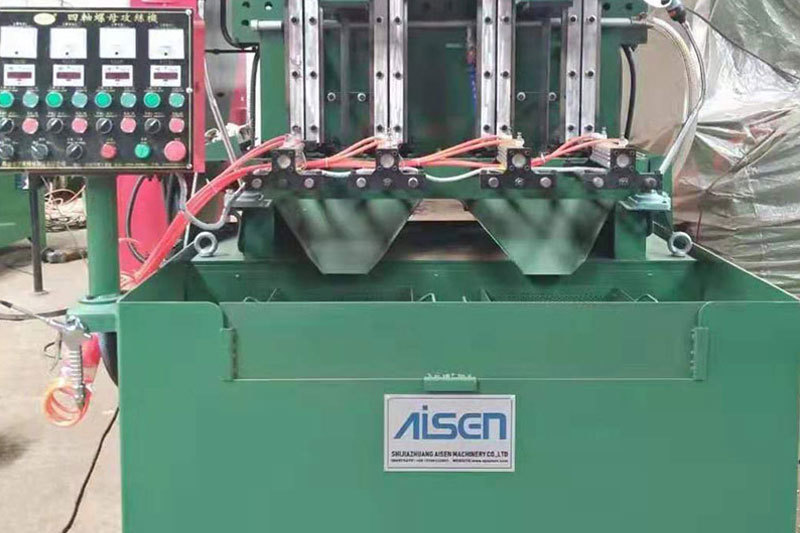
AISEN Four axis nut tapping machine ready for shipment to Russia
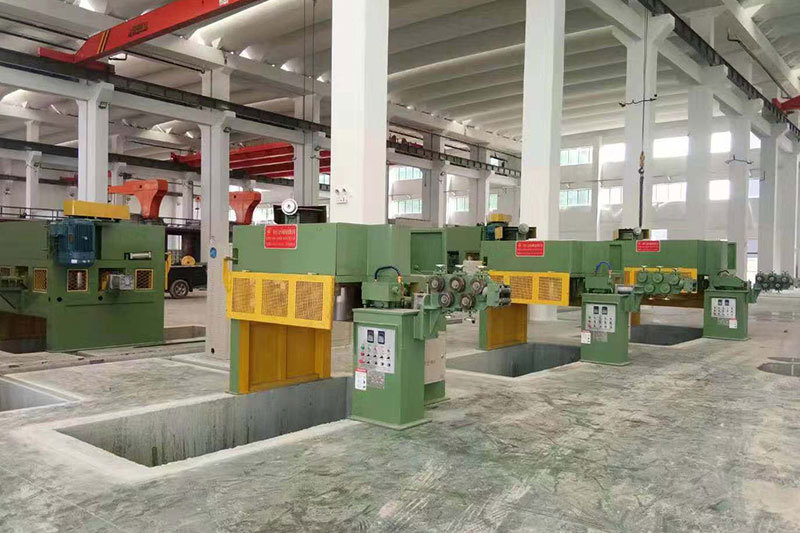
AISEN machinery inverted wire drawing machine
MESSAGES
We will contact you within one working day. Please pay attention to your email.
Qucik Link
Contact
Phone: +86-15100123091
E-mail: info@sjzaisen.com
Address: No.41 Zhaiying South Street, Yuhua District, Shijiazhuang City, Hebei Province China