

Understanding the Mechanisms of Shearing and Punching Machines: A Comprehensive Guide
May 01,2026


Author:
Summary:
Understanding the Mechanisms of Shearing and Punching Machines
Table of Contents
1. Introduction to Shearing and Punching Machines
2. Importance of Shearing and Punching Machines in Leather Processing
3. The Shearing Mechanism Explained
4. The Punching Mechanism Dissection
5. Types of Shearing and Punching Machines
6. Applications of Shearing and Punching Machines in Vario
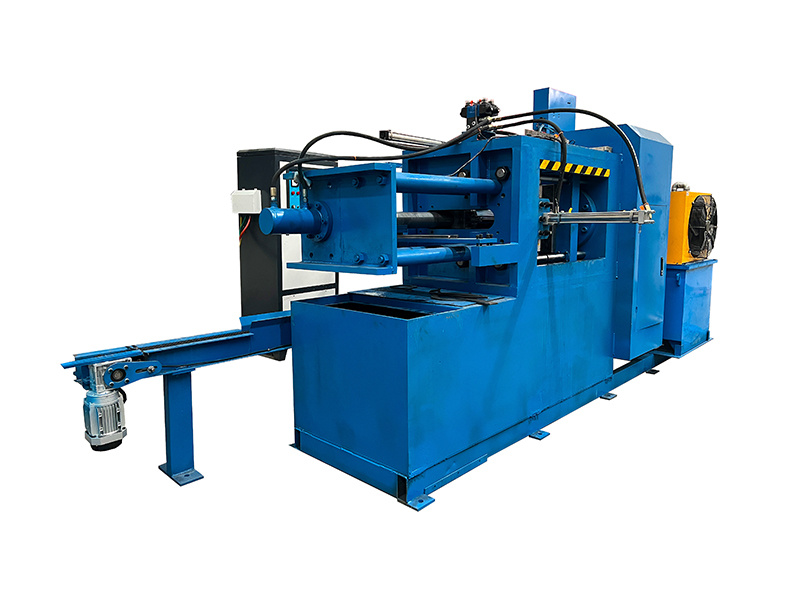
Understanding the Mechanisms of Shearing and Punching Machines
Table of Contents
- 1. Introduction to Shearing and Punching Machines
- 2. Importance of Shearing and Punching Machines in Leather Processing
- 3. The Shearing Mechanism Explained
- 4. The Punching Mechanism Dissection
- 5. Types of Shearing and Punching Machines
- 6. Applications of Shearing and Punching Machines in Various Industries
- 7. Maintenance Tips for Optimal Performance
- 8. Future Trends in Shearing and Punching Technologies
- 9. Frequently Asked Questions (FAQs)
- 10. Conclusion
1. Introduction to Shearing and Punching Machines
In the realm of manufacturing, **shearing** and **punching machines** serve pivotal roles, particularly in industries where materials like leather are processed. These machines are designed to cut, shape, and manipulate materials through various mechanisms. Understanding the underlying principles of these machines is crucial for manufacturers seeking efficiency and precision in their operations.
Shearing machines use a straight blade to cut material, while punching machines create holes or shapes within a material using a punch and die setup. Both machines rely on mechanical advantages that allow them to perform their tasks with remarkable efficiency.
2. Importance of Shearing and Punching Machines in Leather Processing
The leather processing industry heavily relies on shearing and punching machines to ensure high-quality output. These machines enhance productivity, allowing manufacturers to produce intricate designs and shapes that would be labor-intensive if done manually. Additionally, they ensure uniformity in cut edges and hole patterns, which is essential for maintaining quality standards in products like leather bags, shoes, and belts.
Investing in advanced shearing and punching technologies can significantly impact manufacturing processes, leading to increased competitiveness in the market.
3. The Shearing Mechanism Explained
The primary function of a **shearing machine** is to cut materials without the use of a blade in the traditional sense. Instead, shearing involves the application of a high force to separate the material at a specific line.
3.1 Working Principle of Shearing Machines
The shearing process consists of several key components:
- **Cutting Blade**: The blade is positioned at a fixed angle and applies pressure to the material until it yields and separates.
- **Die Block**: The die block holds the material in place, preventing movement during the cutting process.
- **Hydraulic System**: Many modern shearing machines incorporate hydraulic systems to increase cutting power and precision.
This combination allows for clean cuts and minimizes waste material, making it a preferred choice in the leather industry.
3.2 Types of Shearing Processes
- **Guillotine Shearing**: This method uses a straight cutting action, which is ideal for sheets of leather.
- **Rotary Shearing**: Involves circular blades that can handle continuous feeding of material, streamlining production.
4. The Punching Mechanism Dissection
Similar to shearing machines, **punching machines** are designed to create holes or specific shapes in materials. The process typically involves a punch that drives down into a die to cut out a piece of material.
4.1 Key Components of Punching Machines
- **Punch**: The sharp tool that penetrates the material.
- **Die**: The cavity that defines the shape of the punched hole.
- **Ejector System**: This system removes the cut piece from the die once the punching action is complete.
The punching mechanism can work on various materials, including leather, metal, and plastics, making it versatile across different applications.
4.2 Types of Punching Techniques
- **Single Punching**: Used for creating singular holes or shapes.
- **Progressive Punching**: A series of punches that create multiple shapes in one operation, enhancing efficiency.
5. Types of Shearing and Punching Machines
Understanding the different types of shearing and punching machines can help manufacturers choose the right equipment for their specific needs.
5.1 Mechanical Shearing Machines
These machines operate using mechanical linkages and are typically less expensive. They are ideal for smaller operations or for tasks that do not require extensive automation.
5.2 Hydraulic Shearing Machines
Hydraulic machines utilize fluid pressure to operate, allowing for greater cutting force and efficiency. They are often used in larger manufacturing environments due to their ability to handle thicker materials.
5.3 CNC Punching Machines
Computer Numerical Control (CNC) machines offer precision and repeatability, making them suitable for complex designs that require high accuracy. Manufacturers can program these machines to execute specific tasks consistently, minimizing human error.
6. Applications of Shearing and Punching Machines in Various Industries
The versatility of shearing and punching machines allows them to find applications in numerous sectors, especially in leather processing.
6.1 Leather Goods Manufacturing
These machines are integral to producing leather bags, wallets, and shoes, where precision cutting enhances product appeal.
6.2 Automotive Industry
Punching machines are used to create holes in leather upholstery, ensuring a perfect fit for car interiors.
6.3 Furniture Manufacturing
Shearing machines cut leather for sofas and chairs, allowing for seamless assembly and design integrity.
7. Maintenance Tips for Optimal Performance
To ensure longevity and efficiency, regular maintenance of shearing and punching machines is crucial.
7.1 Regular Inspection
Inspect blades and dies for wear and tear. Replace them as needed to maintain cutting quality.
7.2 Lubrication
Keep moving parts lubricated to prevent friction and overheating, which can lead to mechanical failure.
7.3 Calibration
Regularly calibrate machines to maintain precision. This includes checking the alignment of blades and dies.
8. Future Trends in Shearing and Punching Technologies
As technology evolves, so do the capabilities of shearing and punching machines.
8.1 Automation and AI Integration
Incorporating artificial intelligence into machine operations can enhance efficiency, allowing for predictive maintenance and real-time monitoring.
8.2 Sustainable Practices
With an increasing focus on sustainability, manufacturers are exploring eco-friendly materials and processes that minimize waste during the shearing and punching processes.
9. Frequently Asked Questions (FAQs)
9.1 What materials can shearing and punching machines work with?
Both machines can handle a variety of materials, including leather, metals, and plastics.
9.2 How do I choose the right machine for my business?
Consider factors such as material thickness, production volume, and required precision when selecting a machine.
9.3 What is the average lifespan of shearing and punching machines?
With proper maintenance, these machines can last for many years, often exceeding a decade.
9.4 Are there any safety precautions I should take?
Always follow manufacturer guidelines, wear appropriate protective gear, and ensure that safety guards are in place before operating machinery.
9.5 Can I retrofit older machines with new technology?
Many older machines can be upgraded with modern components, enhancing their capabilities without the need for a complete replacement.
10. Conclusion
Understanding the mechanisms of shearing and punching machines is essential for professionals in the leather processing industry. With their ability to enhance efficiency, precision, and overall product quality, these machines are indispensable. By keeping pace with technological advancements and maintenance best practices, manufacturers can optimize their operations and maintain a competitive edge in the marketplace. Embracing the future of shearing and punching technologies will undoubtedly lead to more innovative, sustainable, and efficient manufacturing processes.
Get A Quote
We will contact you within one working day. Please pay attention to your email.
Latest News
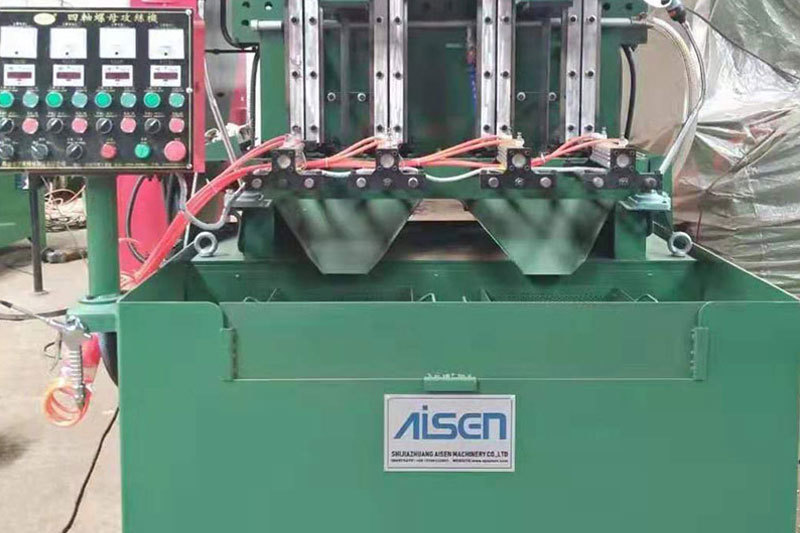
AISEN Four axis nut tapping machine ready for shipment to Russia
Four axis nut tapping machine for DIN934 M8,M10 Standard hex nut is ready for shipping to Russia by land transportation.
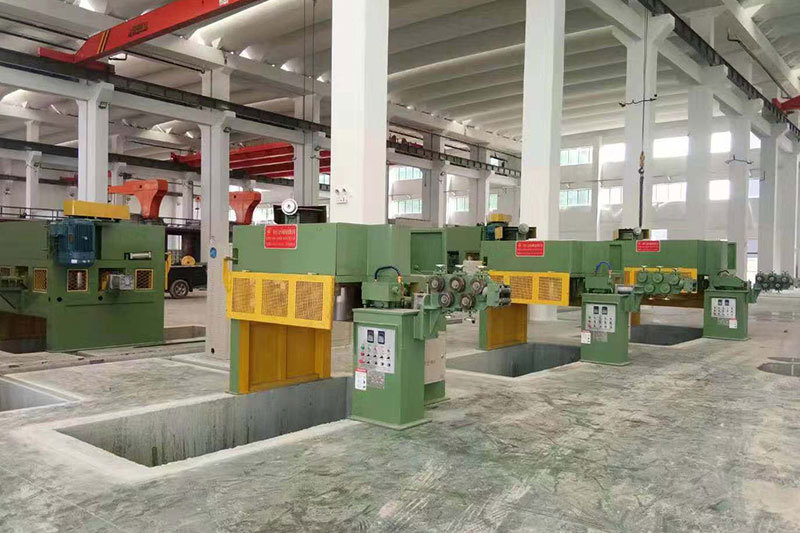
AISEN machinery inverted wire drawing machine
We hope to cooperate with more customers for mutual development and benefits. You are welcome to contact us
MESSAGES
We will contact you within one working day. Please pay attention to your email.
Qucik Link
Contact
Phone: +86-15100123091
E-mail: info@sjzaisen.com
Address: No.41 Zhaiying South Street, Yuhua District, Shijiazhuang City, Hebei Province China