

Troubleshooting Common Issues in Single Head Chamfering Machines
May 05,2026


Author:
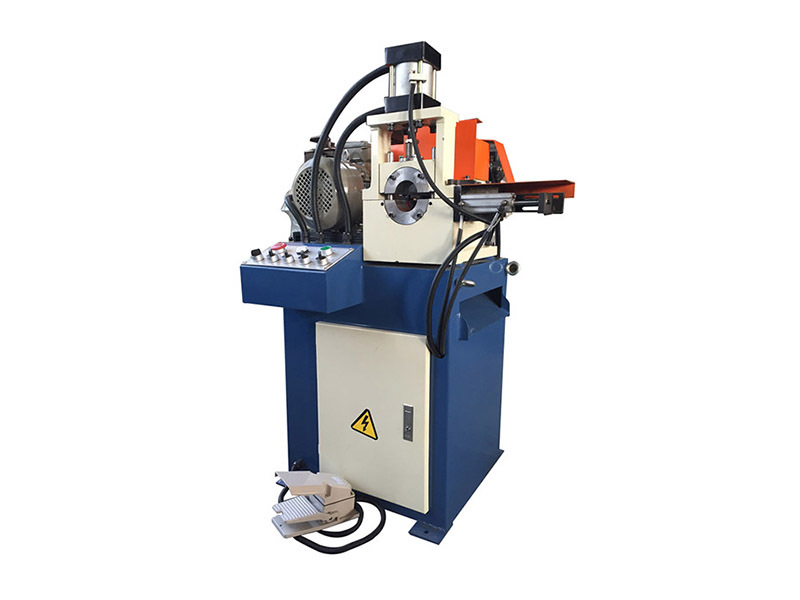
Troubleshooting Common Issues in Single Head Chamfering Machines
Single head chamfering machines are vital tools in manufacturing, particularly for metalworking and fabrication industries. They create beveled edges on various materials, facilitating better assembly and improving the aesthetic quality of the final product. However, like any piece of machinery, they are susceptible to issues that can hinder performance. Understanding how to troubleshoot these problems is essential for maintaining productivity and ensuring a smooth workflow.
Table of Contents
- Introduction to Single Head Chamfering Machines
- Common Issues Faced by Single Head Chamfering Machines
- 1. Inconsistent Chamfer Depth
- 2. Excessive Tool Wear
- 3. Poor Surface Finish
- 4. Machine Vibration
- 5. Electrical Faults
- Preventive Maintenance Tips for Chamfering Machines
- Conclusion
- FAQs about Single Head Chamfering Machines
Introduction to Single Head Chamfering Machines
Single head chamfering machines are specialized tools designed to bevel the edges of various materials. These machines are particularly useful in industries where precise edge finishing is crucial, such as aerospace, automotive, and construction. Despite their robust design, various operational challenges can arise, affecting their functionality and productivity. This article aims to identify common issues that operators may encounter and provide effective troubleshooting solutions.
Common Issues Faced by Single Head Chamfering Machines
Understanding the typical problems associated with single head chamfering machines is the first step toward effective troubleshooting. Here, we will explore five prevalent issues that may arise and their potential solutions.
1. Inconsistent Chamfer Depth
Inconsistent chamfer depth can lead to poor quality finishes and affect the overall product integrity. This issue can stem from various factors, including:
- Tool Height Adjustment: If the cutting tool is not correctly positioned, it can cause variations in chamfer depth.
- Material Variability: Different materials may react differently to machining processes, leading to inconsistencies.
- Feed Rate Issues: An incorrect feed rate can affect how deeply the tool cuts into the material.
Solution: Regularly verify the tool height and ensure it is consistent with the specifications for the material being used. Adjust the feed rate according to the material type to achieve uniform chamfer depth.
2. Excessive Tool Wear
Excessive tool wear can lead to increased operational costs and decreased machining efficiency. Several factors contribute to this problem:
- Inappropriate Tool Material: Using a tool made from material unsuitable for the workpiece can accelerate wear.
- Improper Cooling: Inadequate lubrication or cooling can result in overheating and rapid tool degradation.
- Incorrect Cutting Speed: Operating the machine at improper speeds can hasten tool wear.
Solution: Utilize tools made from high-quality materials appropriate for your specific applications. Ensure that you have adequate lubrication systems in place and regularly monitor cutting speeds for optimal performance.
3. Poor Surface Finish
A poor surface finish can compromise the aesthetic appeal and functionality of the finished product. This issue can be caused by:
- Tool Dulling: A dull cutting tool can produce rough surfaces.
- Improper Feed Rate: An incorrect feed rate can lead to uneven cuts.
- Vibration or Movement: Machine instability can cause the tool to chatter, resulting in a rough finish.
Solution: Regularly inspect and replace dull tools. Adjust the feed rate to match the material and maintain machine stability by ensuring proper clamping and leveling.
4. Machine Vibration
Machine vibration can significantly affect machining accuracy and surface quality. Vibration can arise from:
- Improper Setup: If the machine is not properly anchored or leveled, it can vibrate during operation.
- Tool Imbalance: An unbalanced tool can cause excessive vibrations.
- Material Positioning: Incorrectly positioned workpieces can also contribute to vibration during machining.
Solution: Ensure that the machine is securely anchored and level. Check the tools for balance and confirm that workpieces are properly positioned and clamped before operation.
5. Electrical Faults
Electrical faults can lead to machine failures or erratic performance. Common electrical issues include:
- Power Supply Issues: Inconsistent power supply can disrupt machine operation.
- Faulty Components: Worn-out or damaged electrical components can lead to failures.
- Circuit Overload: Excessive load on circuits can cause tripping or overheating.
Solution: Regularly inspect the electrical systems, check for signs of wear or damage, and ensure that the power supply is stable and adequate for the machine's needs. Implementing circuit protection measures can also help prevent overloads.
Preventive Maintenance Tips for Chamfering Machines
Preventive maintenance is key to avoiding common issues with single head chamfering machines. Here are several tips for maintaining optimal performance:
- Regular Inspections: Conduct routine checks on all machine components to identify wear and tear early.
- Lubrication: Ensure proper lubrication of moving parts to reduce friction and wear.
- Calibration: Regularly calibrate the machine to maintain precision and accuracy.
- Training Operators: Ensure that all machine operators are well-trained in proper operation and troubleshooting techniques.
- Documentation: Keep detailed records of maintenance activities to monitor the machine's health over time.
Conclusion
In conclusion, troubleshooting common issues in single head chamfering machines is essential for maintaining operational efficiency and product quality. By understanding the potential problems and implementing effective solutions, operators can significantly reduce downtime and enhance the overall performance of their machines. Regular maintenance and thorough training are crucial in preventing issues before they arise, ensuring that your chamfering machines remain reliable and effective tools in your manufacturing process.
FAQs about Single Head Chamfering Machines
1. What are the most common materials processed by single head chamfering machines?
Single head chamfering machines are typically used on metals such as steel, aluminum, and brass, as well as some plastics.
2. How often should I perform maintenance on my chamfering machine?
Maintenance should be performed regularly, ideally every few weeks, depending on the usage frequency and workload of the machine.
3. Can I use the same cutting tool for different materials?
While some tools can be used on multiple materials, it's generally best to use tools specifically designed for each type to ensure optimal performance and longevity.
4. What signs indicate that it's time to replace the cutting tool?
Signs of a dull tool include poor surface finish, excessive vibrations, and inconsistent chamfer depths. If you notice these issues, it may be time to replace the tool.
5. Is training necessary for operating a chamfering machine?
Yes, proper training is essential to ensure safe operation and effective troubleshooting. Well-trained operators can quickly identify issues and implement solutions, reducing downtime and enhancing productivity.
Get A Quote
We will contact you within one working day. Please pay attention to your email.
Latest News
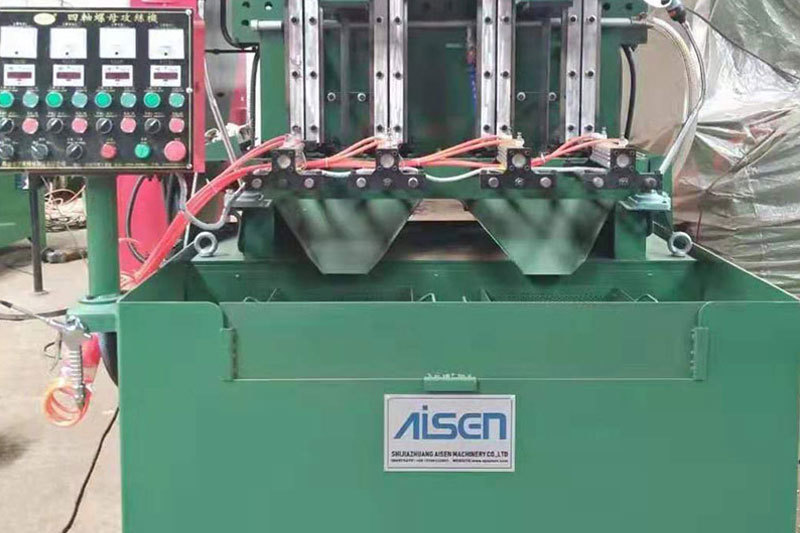
AISEN Four axis nut tapping machine ready for shipment to Russia
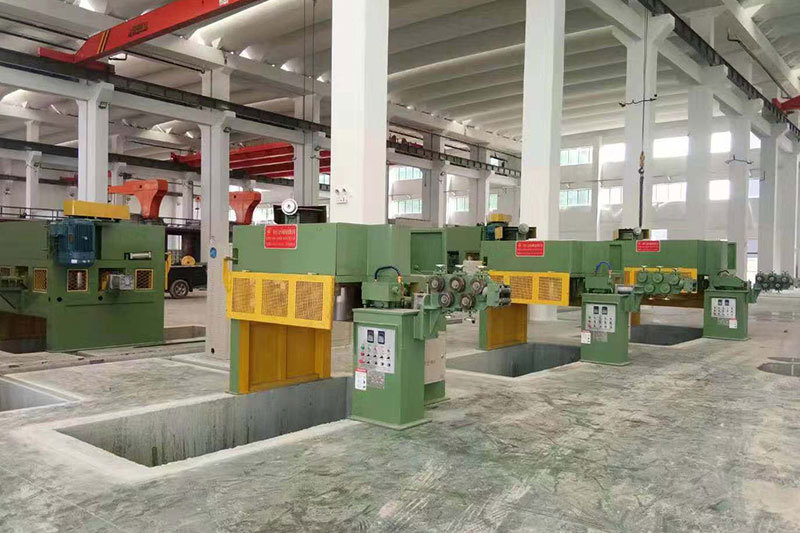
AISEN machinery inverted wire drawing machine
MESSAGES
We will contact you within one working day. Please pay attention to your email.
Qucik Link
Contact
Phone: +86-15100123091
E-mail: info@sjzaisen.com
Address: No.41 Zhaiying South Street, Yuhua District, Shijiazhuang City, Hebei Province China