

A Comprehensive Analysis of CNC Thread Rolling Machines: Features, Advantages, and Applications
May 09,2026


Summary:
A Comprehensive Analysis of CNC Thread Rolling Machines: Features, Advantages, and Applications
Table of Contents
1. Introduction to CNC Thread Rolling Machines
2. What is CNC Thread Rolling?
3. Key Features of CNC Thread Rolling Machines
4. Advantages of Using CNC Thread Rolling Machines
5. Applications of CNC Thread Rolling Machines
6. How to Choose the Right CNC Thread
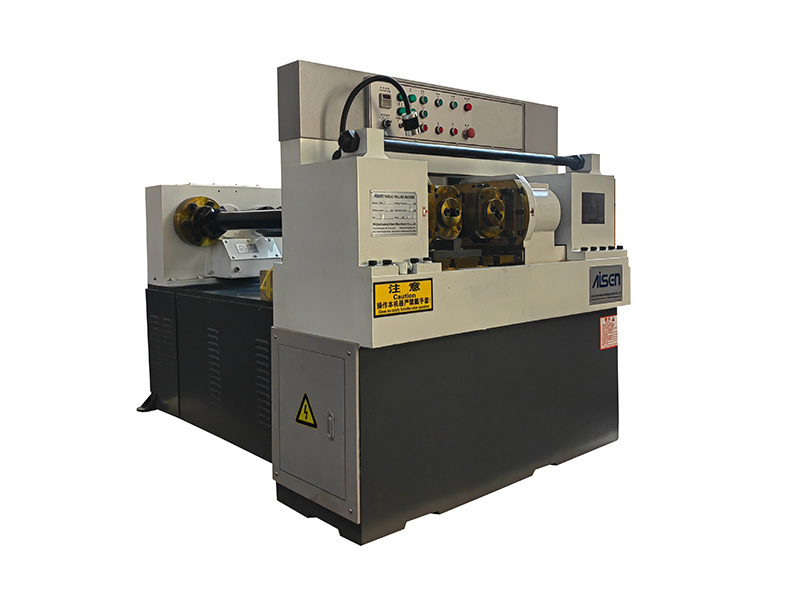
A Comprehensive Analysis of CNC Thread Rolling Machines: Features, Advantages, and Applications
Table of Contents
- 1. Introduction to CNC Thread Rolling Machines
- 2. What is CNC Thread Rolling?
- 3. Key Features of CNC Thread Rolling Machines
- 4. Advantages of Using CNC Thread Rolling Machines
- 5. Applications of CNC Thread Rolling Machines
- 6. How to Choose the Right CNC Thread Rolling Machine
- 7. Maintenance and Care for CNC Thread Rolling Machines
- 8. The Future of CNC Thread Rolling Technology
- 9. FAQs
- 10. Conclusion
1. Introduction to CNC Thread Rolling Machines
CNC thread rolling machines have transformed the manufacturing landscape by providing efficient and precise methods for creating threaded fasteners and components. Unlike traditional cutting methods, **CNC thread rolling** employs a cold-forming process that enhances material properties and reduces waste. This article explores the intricate features, advantages, and various applications of these advanced machines, designed to cater to a multitude of industries from automotive to aerospace.
2. What is CNC Thread Rolling?
CNC thread rolling is a high-precision process used to create external threads on cylindrical parts through the application of pressure. Instead of removing material, thread rolling displaces it, resulting in stronger, more resilient threads. The machining process is typically controlled by a **Computer Numerical Control (CNC)** system, which allows for high accuracy and repeatability. By guiding the rolling dies along the workpiece, CNC machines ensure that threads are produced to exact specifications, improving overall part integrity.
3. Key Features of CNC Thread Rolling Machines
CNC thread rolling machines boast several essential features that make them indispensable in modern manufacturing:
3.1 Precision and Accuracy
One of the most significant advantages of CNC thread rolling machines is their ability to deliver **high precision**. The CNC system allows for minute adjustments, ensuring that each thread is rolled to the exact specifications required by the application.
3.2 Versatility
CNC thread rolling machines can handle a variety of materials, including steel, aluminum, and plastics. This versatility ensures that manufacturers can use the same equipment for different projects without significant modifications.
3.3 Automated Operations
Automation in CNC machines reduces human errors and increases productivity. Operators can input designs into the software, and the machine takes care of the rest, allowing for **unattended operation** during longer production runs.
3.4 Enhanced Tool Life
The cold-forming nature of thread rolling reduces tool wear compared to traditional cutting methods. The tools involved in the process last longer, resulting in reduced downtime and maintenance costs.
3.5 Increased Production Rates
CNC thread rolling machines are capable of producing threads faster than traditional methods, thereby increasing overall production rates. This efficiency is crucial for manufacturers looking to meet high demand without compromising quality.
4. Advantages of Using CNC Thread Rolling Machines
Utilizing CNC thread rolling machines presents numerous benefits for manufacturers:
4.1 Cost-Effectiveness
CNC thread rolling is a cost-effective solution due to reduced material waste and enhanced production rates. The initial investment in CNC technology is often quickly recouped through operational savings.
4.2 Superior Thread Quality
The rolling process produces threads with superior surface finishes and mechanical properties. The lack of cutting forces minimizes stress on the material, resulting in stronger threads that can withstand higher loads.
4.3 Environmentally Friendly
Since CNC thread rolling generates less waste compared to traditional machining processes, it is considered a more environmentally friendly option. Manufacturers can reduce their carbon footprint while maintaining high production standards.
4.4 Flexibility in Design
CNC technology allows for intricate designs and complex thread profiles that would be challenging to achieve with traditional methods. This flexibility enables manufacturers to innovate and develop unique products.
5. Applications of CNC Thread Rolling Machines
CNC thread rolling machines have a wide range of applications across various industries:
5.1 Automotive Industry
In the automotive sector, CNC thread rolling machines are crucial for producing components such as bolts, nuts, and screws that require high strength and durability.
5.2 Aerospace Sector
The aerospace industry demands precision and reliability. CNC thread rolling machines are used to manufacture critical components that must withstand extreme conditions while ensuring safety.
5.3 Construction and Heavy Machinery
Threaded fasteners in construction applications benefit from the strength and resilience provided by CNC thread rolling. This technology is vital for equipment used in heavy machinery assembly.
5.4 Medical Devices
Medical device manufacturing often involves precision components. CNC thread rolling machines enable the production of threaded parts that meet stringent regulatory requirements.
5.5 Electronics and Electrical Equipment
In the electronics industry, CNC thread rolling machines are utilized to create connectors and housings that require precise threading for effective performance.
6. How to Choose the Right CNC Thread Rolling Machine
Selecting the appropriate CNC thread rolling machine involves several considerations to ensure it meets your specific needs:
6.1 Assess Material Compatibility
Evaluate the materials you intend to work with. Ensure that the machine is compatible with the range of materials required for your projects.
6.2 Determine Production Volume
Consider your production volume and the machine's ability to handle large workloads efficiently. An appropriate machine should match your operational demands.
6.3 Evaluate Precision Requirements
Different applications require varying levels of precision. Assess the tolerances and specifications necessary for your products to select a machine that meets these criteria.
6.4 Review Automation Features
Look for machines that offer automation features to enhance productivity and reduce labor costs. Automated systems can significantly improve operational efficiency.
6.5 Analyze Support and Maintenance
Choose a manufacturer that provides excellent customer support and maintenance services. Ensuring reliable technical assistance can prevent costly downtimes.
7. Maintenance and Care for CNC Thread Rolling Machines
Proper maintenance is critical to maximize the lifespan and performance of CNC thread rolling machines:
7.1 Regular Cleaning
Ensure machines are regularly cleaned to prevent debris buildup, which can interfere with operations and precision.
7.2 Lubrication
Routine lubrication of moving parts is essential for smooth operation and to reduce wear and tear.
7.3 Software Updates
Keep the machine's software updated to ensure optimal performance and access to the latest features and improvements.
7.4 Inspection and Calibration
Conduct regular inspections and calibrations to maintain accuracy and performance. This practice helps identify any issues before they lead to significant problems.
8. The Future of CNC Thread Rolling Technology
As technology continues to evolve, the future of CNC thread rolling machines looks promising. Innovations in automation, artificial intelligence, and machine learning will enhance operational efficiency and precision. Manufacturers can expect even higher productivity levels, reduced waste, and improved safety features. The integration of smart technologies will allow for real-time monitoring and predictive maintenance, enabling manufacturers to optimize their operations.
9. FAQs
9.1 What types of materials can be used with CNC thread rolling machines?
CNC thread rolling machines can process a variety of materials, including different grades of steel, aluminum, brass, and plastics, making them suitable for diverse applications.
9.2 How does CNC thread rolling compare to traditional cutting methods?
CNC thread rolling is generally faster and produces stronger, more resilient threads with superior surface finishes compared to traditional cutting methods, which remove material.
9.3 Are CNC thread rolling machines difficult to operate?
While they require skilled operators, modern CNC thread rolling machines come with user-friendly interfaces and automation features that simplify operation and reduce the learning curve.
9.4 What is the average lifespan of a CNC thread rolling machine?
The lifespan of a CNC thread rolling machine can vary based on usage and maintenance, but with proper care, they can last for many years, often exceeding a decade.
9.5 Can CNC thread rolling machines handle high production volumes?
Yes, CNC thread rolling machines are designed for high production volumes, providing efficiency and consistency in producing threaded components.
10. Conclusion
CNC thread rolling machines play a vital role in modern manufacturing by offering innovative solutions for producing high-quality threaded components. Their unique features, coupled with significant advantages such as cost-effectiveness, precision, and versatility, make them indispensable tools in various industries. By understanding the intricacies of these machines and leveraging their capabilities, manufacturers can enhance their production processes, reduce waste, and meet the growing demands of a competitive market. Embracing the future of CNC technology will undoubtedly pave the way for more efficient and sustainable manufacturing practices.
PREVIOUS:
Latest News
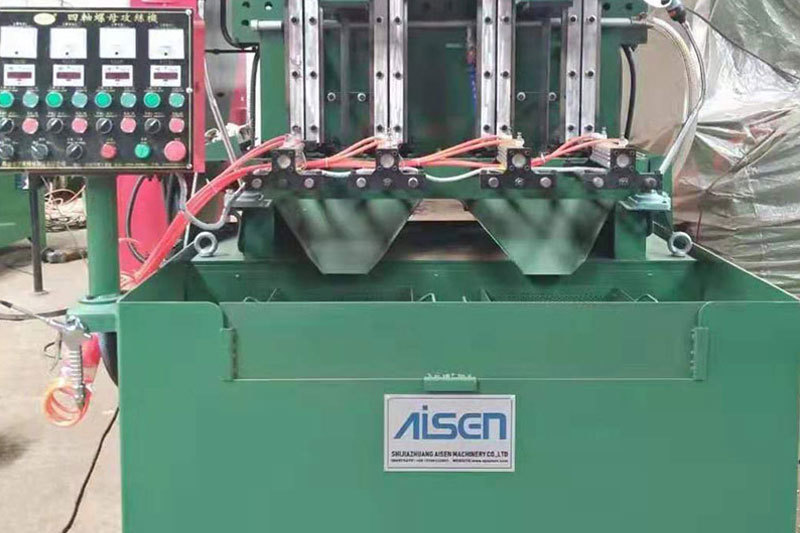
AISEN Four axis nut tapping machine ready for shipment to Russia
Four axis nut tapping machine for DIN934 M8,M10 Standard hex nut is ready for shipping to Russia by land transportation.
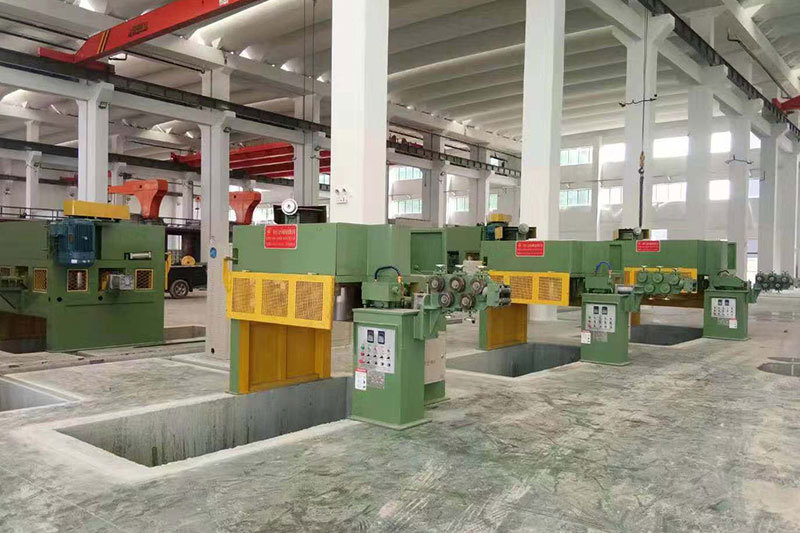
AISEN machinery inverted wire drawing machine
We hope to cooperate with more customers for mutual development and benefits. You are welcome to contact us
MESSAGES
We will contact you within one working day. Please pay attention to your email.
Qucik Link
Contact
Phone: +86-15100123091
E-mail: info@sjzaisen.com
Address: No.41 Zhaiying South Street, Yuhua District, Shijiazhuang City, Hebei Province China