

Bolt Cold Forging Machines: Elevating Precision and Efficiency in Manufacturing
May 07,2025


Author:
Summary:
Bolt Cold Forging Machines: Enhancing Precision in Manufacturing
Manufacturing has undergone significant advancements over the years, and one of the key technologies driving this evolution is the **bolt cold forging machine**. These machines are not just another piece of equipment; they represent a **revolution in production processes**, delivering unmatched precision, efficiency, and cost-effecti
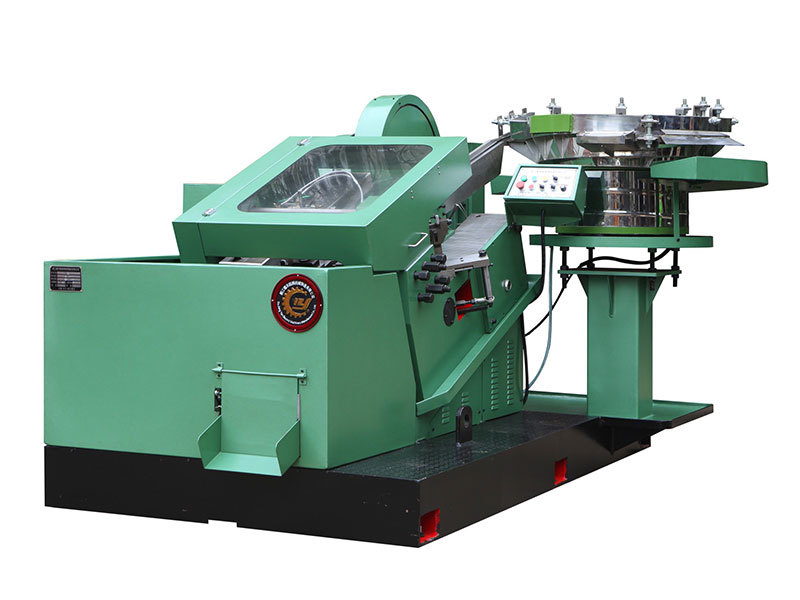
Bolt Cold Forging Machines: Enhancing Precision in Manufacturing
Manufacturing has undergone significant advancements over the years, and one of the key technologies driving this evolution is the **bolt cold forging machine**. These machines are not just another piece of equipment; they represent a **revolution in production processes**, delivering unmatched precision, efficiency, and cost-effectiveness. In this article, we will explore the various aspects of bolt cold forging machines, their benefits, applications, and how they are reshaping the landscape of manufacturing.
Table of Contents
1. Understanding Cold Forging
2. Benefits of Bolt Cold Forging Machines
3. Applications in Manufacturing
4. Innovations in Bolt Cold Forging Technology
5. Choosing the Right Bolt Cold Forging Machine
6. Maintenance and Care of Cold Forging Machines
7. The Future of Cold Forging in Manufacturing
8. Frequently Asked Questions
9. Conclusion
1. Understanding Cold Forging
Cold forging is a metal forming process that shapes materials at room temperature, which makes it distinct from traditional forging techniques that often rely on high temperatures. During this process, metal is compressed and shaped using a die, resulting in high-strength components with excellent dimensional accuracy.
Cold forging machines are integral to this process, allowing manufacturers to create parts such as bolts, screws, and fasteners efficiently. The primary advantage of cold forging is that it enhances the mechanical properties of the metal while minimizing waste.
In contrast to other methods, cold forging does not require additional heating, which not only reduces energy consumption but also eliminates the need for extensive finishing processes, making it an eco-friendly solution.
2. Benefits of Bolt Cold Forging Machines
The adoption of bolt cold forging machines offers several significant advantages for manufacturers:
2.1 Increased Precision
One of the most compelling benefits of bolt cold forging machines is their ability to produce high-precision components. The process maintains tighter tolerances compared to other manufacturing methods. This increased precision ensures that parts fit together seamlessly, which is critical in applications where quality is paramount.
2.2 Enhanced Strength
Cold-forged components exhibit superior strength due to the work-hardening effect that occurs during the shaping process. The grain structure of the metal becomes denser, resulting in parts that can withstand greater stress and strain, making them ideal for automotive, aerospace, and industrial applications.
2.3 Cost Efficiency
By utilizing bolt cold forging machines, manufacturers can significantly reduce costs associated with raw materials and energy consumption. The process minimizes waste and eliminates the need for secondary operations, thereby enhancing overall production efficiency.
2.4 Improved Surface Finish
Cold forging machines produce parts with excellent surface finishes, often requiring less machining or polishing. This not only saves time but also ensures that the components meet aesthetic and functional requirements.
2.5 Flexibility and Versatility
Modern bolt cold forging machines are versatile and can accommodate various sizes and shapes of components. This flexibility enables manufacturers to adapt their production lines quickly, catering to changing market demands.
3. Applications in Manufacturing
The versatility of bolt cold forging machines lends themselves to a wide range of applications across different industries:
3.1 Automotive Industry
In the automotive sector, cold-forged components are essential for creating parts such as bolts, gears, and brackets. The high strength and precision of these components ensure safety and reliability in vehicles.
3.2 Aerospace Industry
Aerospace applications demand the highest quality standards. Cold-forged components are used in critical assemblies where failure is not an option, underscoring the importance of precision manufacturing in this sector.
3.3 Industrial Equipment
Industrial machinery and equipment also benefit from cold-forged components, which contribute to the durability and efficiency of machines used in manufacturing processes.
3.4 Electronics
In electronics, cold-forged connectors and fasteners are widely used due to their reliability and consistent performance, which is crucial in ensuring the functionality of electronic devices.
4. Innovations in Bolt Cold Forging Technology
As technology advances, so does the efficiency and capability of bolt cold forging machines. Several innovations are shaping the future of this manufacturing process:
4.1 Automation and Robotics
Integrating automation and robotics into cold forging processes enhances production speed and accuracy. Automated systems can handle repetitive tasks with precision, reducing human error and increasing output.
4.2 Advanced Materials
The development of advanced materials, including high-strength alloys and composites, has expanded the capabilities of cold forging. These materials allow for the production of lighter and more durable components.
4.3 Smart Manufacturing
The rise of Industry 4.0 has introduced smart manufacturing solutions, enabling real-time monitoring and data analytics. This technology allows for predictive maintenance, optimizing performance, and minimizing downtime.
5. Choosing the Right Bolt Cold Forging Machine
Selecting the right bolt cold forging machine is crucial for achieving optimal results in manufacturing. Here are key factors to consider:
5.1 Capacity and Size
Evaluate the machine's capacity and size to ensure it meets production demands. Consider the range of products you intend to manufacture and select a machine that can accommodate them.
5.2 Technology and Features
Investigate the technological features of the machine, such as automation capabilities, user interface, and energy efficiency. Advanced features can enhance productivity and ease of operation.
5.3 Manufacturer Reputation
Choose a reputable manufacturer known for quality and reliability. Research customer reviews and case studies to understand how their machines perform in real-world applications.
5.4 Cost Considerations
While cost is a significant factor, it’s essential to balance initial investment with long-term savings. Consider the machine's efficiency, maintenance requirements, and potential return on investment.
6. Maintenance and Care of Cold Forging Machines
Proper maintenance is vital for ensuring the longevity and efficiency of bolt cold forging machines. Here are best practices for maintenance:
6.1 Regular Inspections
Conduct regular inspections to identify signs of wear or damage. Early detection of issues can prevent costly repairs and downtime.
6.2 Lubrication
Ensure all moving parts are adequately lubricated to minimize friction and wear. Follow manufacturer guidelines for lubrication intervals and types of lubricants.
6.3 Cleaning
Keep the machine clean and free of debris. Regular cleaning helps maintain precision and prevents contamination of the manufacturing process.
6.4 Training Operators
Invest in training for operators to ensure they understand the machine's functions and maintenance requirements. Well-trained staff can operate the machines more efficiently and safely.
7. The Future of Cold Forging in Manufacturing
The future of cold forging looks promising, with ongoing innovations set to enhance the process further. As industries continue to prioritize sustainability and efficiency, cold forging will likely play a crucial role in meeting these demands. With advancements in materials, technology, and automation, manufacturers can expect to see even greater precision and reduced environmental impact in the years to come.
8. Frequently Asked Questions
8.1 What is the primary advantage of bolt cold forging over traditional forging?
The primary advantage of bolt cold forging is its ability to produce high-precision components without the need for heating, resulting in reduced energy consumption and less material waste.
8.2 How does cold forging affect the mechanical properties of metal?
Cold forging enhances the mechanical properties of metal by work-hardening the material, resulting in higher strength and durability.
8.3 What types of products can be made using cold forging machines?
Cold forging machines can produce a wide range of products, including bolts, screws, nuts, gears, and other fasteners and components used in various industries.
8.4 How important is maintenance for bolt cold forging machines?
Regular maintenance is crucial for ensuring the longevity and efficiency of bolt cold forging machines, preventing costly repairs and downtime.
8.5 What trends are shaping the future of cold forging technology?
Key trends include automation, smart manufacturing technologies, advanced materials, and a focus on sustainability, which will enhance the efficiency and capabilities of cold forging processes.
9. Conclusion
Bolt cold forging machines are essential to modern manufacturing, providing unmatched precision, cost efficiency, and durability for a variety of applications. As technology continues to evolve, these machines will play a crucial role in enhancing production processes across multiple industries. By understanding the advantages and applications of bolt cold forging machines, manufacturers can leverage this technology to improve their operations, reduce costs, and meet ever-increasing market demands. Embracing the future of cold forging will undoubtedly yield significant benefits in the quest for manufacturing excellence.
Get A Quote
We will contact you within one working day. Please pay attention to your email.
Latest News
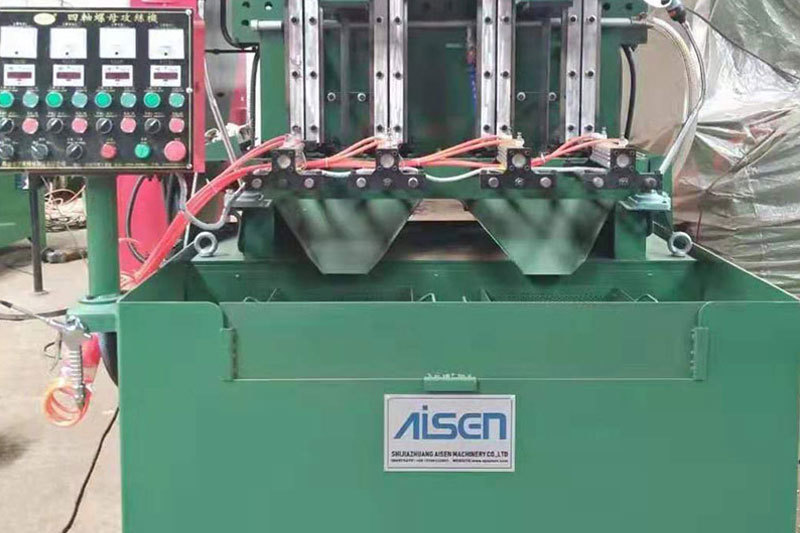
AISEN Four axis nut tapping machine ready for shipment to Russia
Four axis nut tapping machine for DIN934 M8,M10 Standard hex nut is ready for shipping to Russia by land transportation.
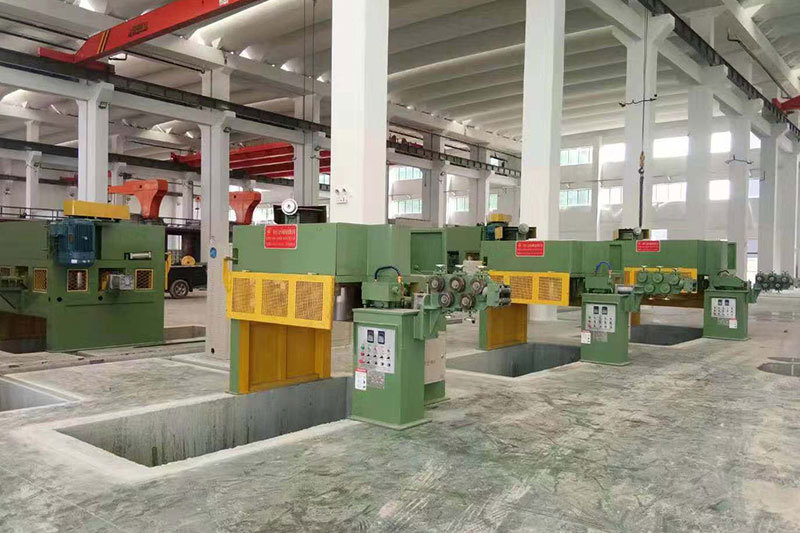
AISEN machinery inverted wire drawing machine
We hope to cooperate with more customers for mutual development and benefits. You are welcome to contact us
MESSAGES
We will contact you within one working day. Please pay attention to your email.
Qucik Link
Contact
Phone: +86-15100123091
E-mail: info@sjzaisen.com
Address: No.41 Zhaiying South Street, Yuhua District, Shijiazhuang City, Hebei Province China