

Unlocking the Power of Semi-Automatic Single-Head Chamfering Machines: A Comprehensive Overview
May 18,2025


Author:
Summary:
In the realm of manufacturing and machining, the semi-automatic single-head chamfering machine is a vital tool that significantly improves operational efficiency and product quality. These machines are designed specifically for the chamfering process, which involves creating a beveled edge on the workpieces. This edge serves multiple purposes, such as enhancing the aesthetics of the product, impro
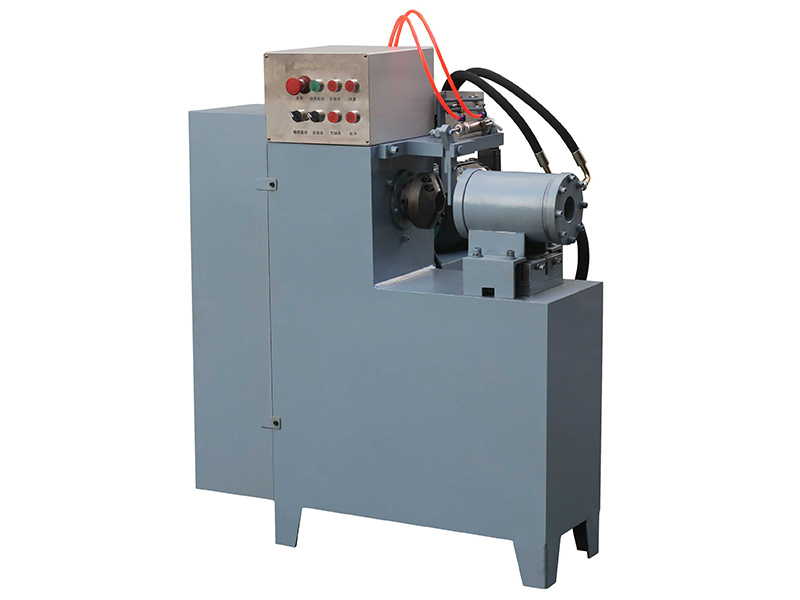
In the realm of manufacturing and machining, the semi-automatic single-head chamfering machine is a vital tool that significantly improves operational efficiency and product quality. These machines are designed specifically for the chamfering process, which involves creating a beveled edge on the workpieces. This edge serves multiple purposes, such as enhancing the aesthetics of the product, improving assembly fit, and reducing the risk of injury from sharp edges.
A semi-automatic single-head chamfering machine simplifies the chamfering process by combining manual input with automated features. Unlike fully manual machines, where the operator controls every movement, the semi-automatic design allows for a degree of automation, enabling faster and more consistent results. This design is particularly advantageous in high-volume production environments where time and precision are critical.
The operation of a semi-automatic single-head chamfering machine typically involves placing the workpiece onto the machine's table, securing it in place, and initiating the chamfering process. The semi-automatic functionality allows the operator to set specific parameters, such as chamfer angle and depth, ensuring that each piece meets the required specifications. This reduces the likelihood of errors that can occur in fully manual processes, leading to improved product quality.
One of the major benefits of using a semi-automatic single-head chamfering machine is its versatility. These machines can handle a variety of materials, including metals, plastics, and composites, making them suitable for different industries, from automotive to aerospace. Operators can easily adjust settings to accommodate various workpiece sizes and shapes, further enhancing the machine's applicability.
In addition to improving efficiency, investing in a semi-automatic single-head chamfering machine can also lead to cost savings over time. By streamlining the chamfering process, manufacturers can reduce labor costs and minimize waste associated with poorly finished edges. Moreover, the high-quality chamfers produced by these machines can lead to improved product performance and customer satisfaction.
To summarize, the semi-automatic single-head chamfering machine is an indispensable asset for modern manufacturing processes. By understanding its functionality and advantages, businesses can make informed decisions about incorporating this technology into their production lines. As industries continue to evolve, the integration of advanced machinery like semi-automatic chamfering machines will play a crucial role in maintaining competitive advantage and driving innovation in manufacturing.
A semi-automatic single-head chamfering machine simplifies the chamfering process by combining manual input with automated features. Unlike fully manual machines, where the operator controls every movement, the semi-automatic design allows for a degree of automation, enabling faster and more consistent results. This design is particularly advantageous in high-volume production environments where time and precision are critical.
The operation of a semi-automatic single-head chamfering machine typically involves placing the workpiece onto the machine's table, securing it in place, and initiating the chamfering process. The semi-automatic functionality allows the operator to set specific parameters, such as chamfer angle and depth, ensuring that each piece meets the required specifications. This reduces the likelihood of errors that can occur in fully manual processes, leading to improved product quality.
One of the major benefits of using a semi-automatic single-head chamfering machine is its versatility. These machines can handle a variety of materials, including metals, plastics, and composites, making them suitable for different industries, from automotive to aerospace. Operators can easily adjust settings to accommodate various workpiece sizes and shapes, further enhancing the machine's applicability.
In addition to improving efficiency, investing in a semi-automatic single-head chamfering machine can also lead to cost savings over time. By streamlining the chamfering process, manufacturers can reduce labor costs and minimize waste associated with poorly finished edges. Moreover, the high-quality chamfers produced by these machines can lead to improved product performance and customer satisfaction.
To summarize, the semi-automatic single-head chamfering machine is an indispensable asset for modern manufacturing processes. By understanding its functionality and advantages, businesses can make informed decisions about incorporating this technology into their production lines. As industries continue to evolve, the integration of advanced machinery like semi-automatic chamfering machines will play a crucial role in maintaining competitive advantage and driving innovation in manufacturing.
Get A Quote
We will contact you within one working day. Please pay attention to your email.
Latest News
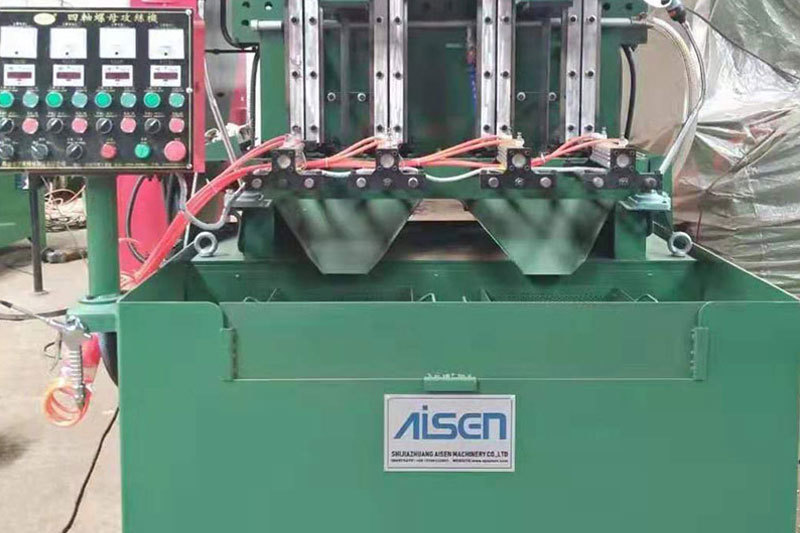
AISEN Four axis nut tapping machine ready for shipment to Russia
Four axis nut tapping machine for DIN934 M8,M10 Standard hex nut is ready for shipping to Russia by land transportation.
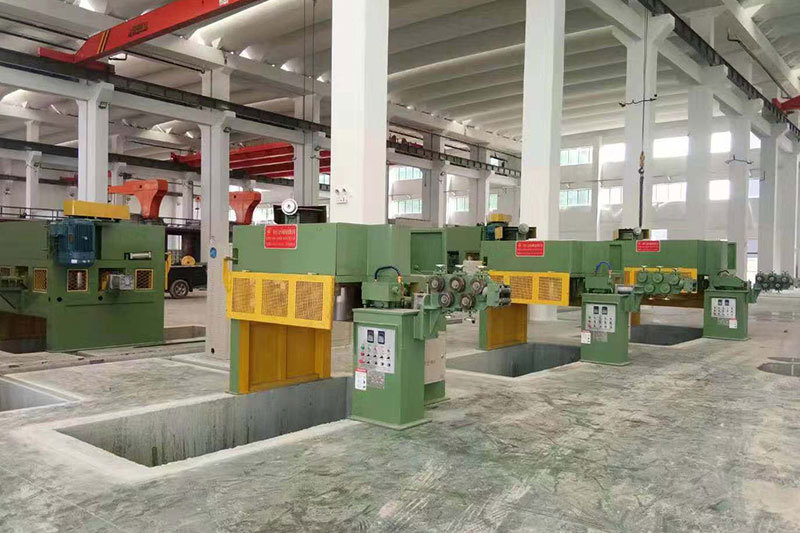
AISEN machinery inverted wire drawing machine
We hope to cooperate with more customers for mutual development and benefits. You are welcome to contact us
MESSAGES
We will contact you within one working day. Please pay attention to your email.
Qucik Link
Contact
Phone: +86-15100123091
E-mail: info@sjzaisen.com
Address: No.41 Zhaiying South Street, Yuhua District, Shijiazhuang City, Hebei Province China