

Why Choose a Semi-Automatic Chamfering Machine for Your Manufacturing Needs?
May 19,2025


Summary:
Why Choose a Semi-Automatic Chamfering Machine for Your Manufacturing Needs?
Introduction to Chamfering Machines
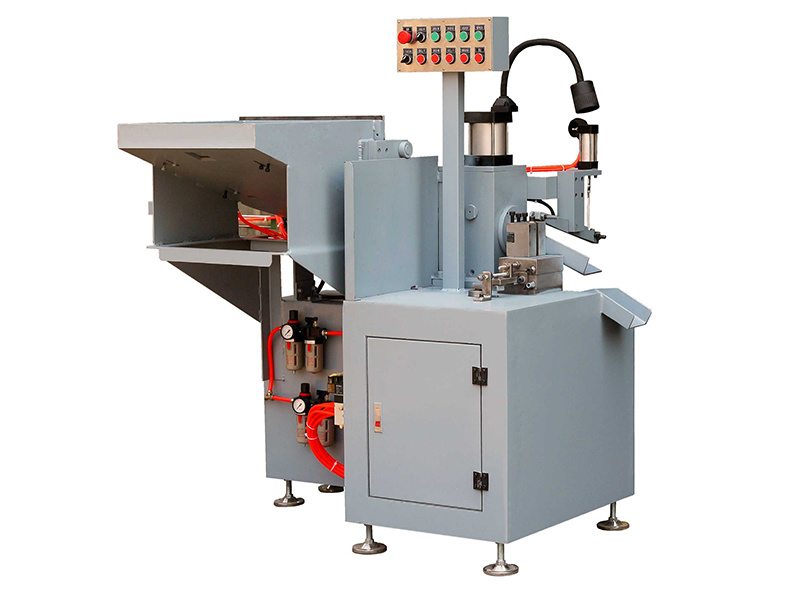
Manufacturing processes require precision and efficiency, and one of the key components that can enhance these aspects is the **chamfering machine**. Particularly, the **semi-automatic chamfering machine** stands out as a smart investment for modern manufacturing facilities. With their
Why Choose a Semi-Automatic Chamfering Machine for Your Manufacturing Needs?
Introduction to Chamfering Machines
Manufacturing processes require precision and efficiency, and one of the key components that can enhance these aspects is the **chamfering machine**. Particularly, the **semi-automatic chamfering machine** stands out as a smart investment for modern manufacturing facilities. With their ability to streamline operations and maintain high product quality, these machines have become increasingly popular. In this article, we will delve into the many benefits of utilizing a semi-automatic chamfering machine for your manufacturing needs, covering everything from operational efficiency to cost-effectiveness.
Understanding Chamfering: The Basics
Chamfering refers to the process of creating a beveled edge on a material, which serves several purposes. Here are a few:
What is Chamfering?
Chamfering involves cutting away the sharp edges of a material to create a sloping edge, typically at a 45-degree angle. This process is essential for several reasons:
- **Safety**: Eliminating sharp edges reduces the risk of injury during handling and assembly.
- **Aesthetic Appeal**: Smooth, angled edges offer a more refined appearance to finished products.
- **Functional Performance**: Chamfered edges improve the fit of components and can enhance the performance of assembled products.
Why Semi-Automatic Chamfering Machines?
Semi-automatic machines provide an optimal balance between manual and fully automated systems. They require some human intervention but significantly reduce labor costs and increase production speed compared to manual processes.
Key Advantages of Semi-Automatic Chamfering Machines
1. Enhanced Efficiency and Productivity
One of the primary reasons to choose a semi-automatic chamfering machine is its ability to significantly enhance **efficiency** and **productivity**. By automating the chamfering process, manufacturers can reduce cycle times and increase output.
- **Consistent Performance**: Unlike manual labor, these machines perform consistently, delivering uniform chamfered edges across large batches.
- **Reduced Downtime**: The semi-automatic nature allows for swift transitions between tasks, meaning less downtime during production.
2. Improved Precision and Quality Control
In manufacturing, precision is crucial. Semi-automatic chamfering machines are designed to meet high-quality standards, ensuring that each chamfered edge is uniform and accurate.
- **Automated Settings**: These machines come equipped with precise settings that can be adjusted for different materials and specifications.
- **Quality Assurance**: The consistent output reduces the likelihood of defects, ensuring that products meet rigorous quality standards.
3. Cost-Effectiveness
Investing in a semi-automatic chamfering machine can lead to significant cost savings in the long run.
- **Reduced Labor Costs**: Although some operator involvement is required, the need for fewer personnel on the production line translates to savings on labor costs.
- **Material Efficiency**: Enhanced precision means less waste, as operators can optimize material use effectively, leading to lower production costs.
4. Versatility Across Industries
Semi-automatic chamfering machines are highly versatile and can be employed across various industries, including:
- **Metal Fabrication**
- **Woodworking**
- **Plastic Manufacturing**
- **Construction Components**
This adaptability makes them an ideal choice for businesses that work with different materials and require various chamfering techniques.
5. Easy Maintenance and Operation
Most semi-automatic chamfering machines are designed for user-friendly operation, making them accessible for workers with varying skill levels.
- **Simple Controls**: Operators can easily learn how to operate these machines, minimizing the training time required.
- **Low Maintenance Needs**: These machines are built for durability, and routine maintenance is usually straightforward, ensuring long-term functionality.
Factors to Consider When Choosing a Semi-Automatic Chamfering Machine
Selecting the right semi-automatic chamfering machine can significantly impact your manufacturing efficiency. Here are some factors to consider:
1. Type of Material
Different materials require specific chamfering techniques. Consider the materials you will be working with to ensure the machine you choose can handle them effectively.
2. Required Chamfer Size and Angle
Determine the typical chamfer sizes and angles needed in your production process. Some machines offer adjustable settings to accommodate a range of requirements.
3. Production Volume
Evaluate your production volume and choose a machine that can handle your needs without compromising quality or speed.
4. Budget Constraints
While it’s essential to invest in quality machinery, keeping your budget in mind is equally important. Look for machines that offer the best value for your investment.
5. Brand Reputation and Support
Choose machines from reputable manufacturers that provide reliable customer support and warranties. This ensures you have assistance when needed.
FAQs About Semi-Automatic Chamfering Machines
1. What is the difference between a manual and a semi-automatic chamfering machine?
A manual chamfering machine requires full operator involvement, while a semi-automatic machine automates part of the process, enhancing efficiency and reducing labor costs.
2. How do I maintain a semi-automatic chamfering machine?
Regular maintenance typically includes cleaning the machine, lubricating moving parts, and checking for wear and tear. Following the manufacturer's guidelines is essential for longevity.
3. What types of materials can be chamfered with a semi-automatic machine?
Semi-automatic chamfering machines can handle a variety of materials, including metals, plastics, and wood, depending on the machine's specifications.
4. Is operator training necessary for semi-automatic chamfering machines?
While these machines are user-friendly, some basic training is recommended to ensure operators understand the controls and safety measures.
5. Can semi-automatic chamfering machines be customized for specific production needs?
Yes, many manufacturers offer customizable options to tailor machines according to your specific chamfering requirements.
Conclusion
In today's competitive manufacturing landscape, **semi-automatic chamfering machines** offer an array of benefits that can significantly enhance your production capabilities. From improved efficiency and precision to cost savings and versatility, these machines are an invaluable asset for any manufacturing operation. By understanding the advantages and considering the factors necessary for selecting the right machine, you can make an informed decision that will support your manufacturing needs for years to come. Investing in a semi-automatic chamfering machine is not just a choice; it's a strategic move toward optimizing your production process and staying ahead in the industry.
PREVIOUS:
Latest News
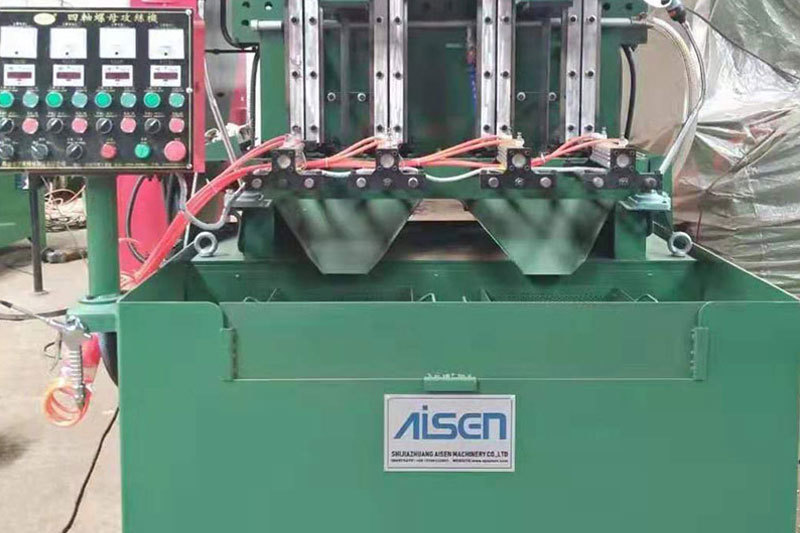
AISEN Four axis nut tapping machine ready for shipment to Russia
Four axis nut tapping machine for DIN934 M8,M10 Standard hex nut is ready for shipping to Russia by land transportation.
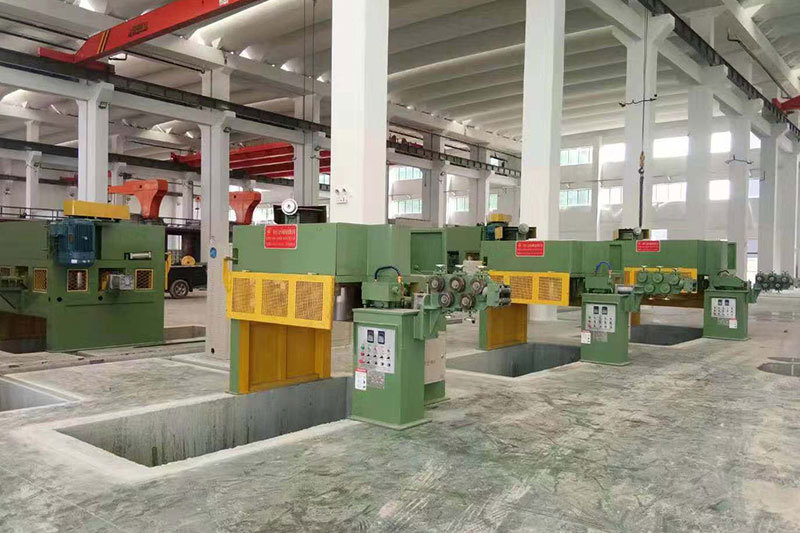
AISEN machinery inverted wire drawing machine
We hope to cooperate with more customers for mutual development and benefits. You are welcome to contact us
MESSAGES
We will contact you within one working day. Please pay attention to your email.
Qucik Link
Contact
Phone: +86-15100123091
E-mail: info@sjzaisen.com
Address: No.98 Huanghe Road, High-tech Zone, Shijiazhuang City, China