

Exploring the Versatility of Single Head Chamfering Machines in Metalwork
Jun 14,2025


Author:
Summary:
Exploring the Versatility of Single Head Chamfering Machines in Metalwork
Table of Contents
Introduction to Single Head Chamfering Machines
Understanding Chamfering in Metalwork
Benefits of Using Single Head Chamfering Machines
Applications of Single Head Chamfering Machines in Various Industries
Key Features and Specifications of Single Head Chamfering Machines
Operating
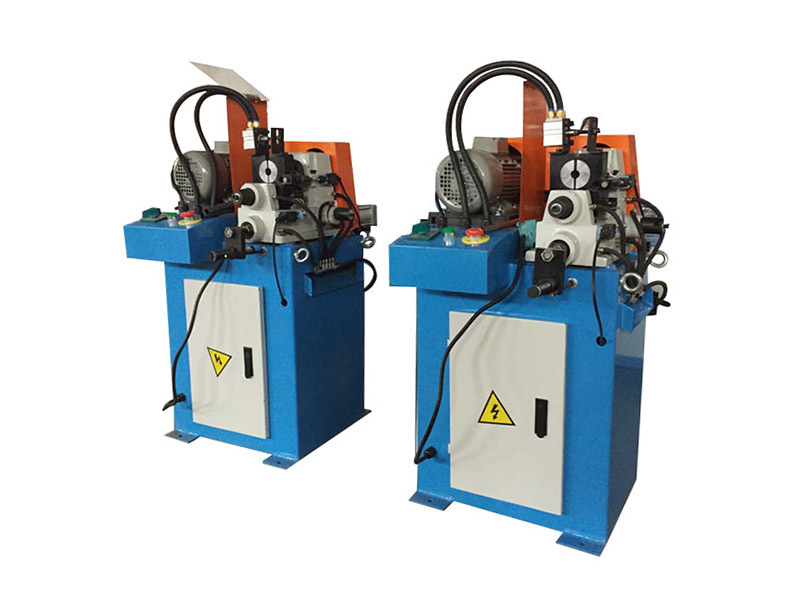
Exploring the Versatility of Single Head Chamfering Machines in Metalwork
Table of Contents
- Introduction to Single Head Chamfering Machines
- Understanding Chamfering in Metalwork
- Benefits of Using Single Head Chamfering Machines
- Applications of Single Head Chamfering Machines in Various Industries
- Key Features and Specifications of Single Head Chamfering Machines
- Operating Principles of Single Head Chamfering Machines
- Maintenance and Care for Optimal Performance
- Future Innovations in Chamfering Technology
- Conclusion
- Frequently Asked Questions
Introduction to Single Head Chamfering Machines
In the realm of metalwork, precision and efficiency are paramount. Single head chamfering machines play a crucial role in achieving high-quality finishes on metal parts. These machines specialize in creating beveled edges on various materials, ensuring that components fit together seamlessly and safely. By exploring the versatility of single head chamfering machines, we can better appreciate their significance in the manufacturing landscape.
Understanding Chamfering in Metalwork
Chamfering is the process of removing the sharp edges or corners of a material to produce a sloped surface. This technique is essential in metalwork for several reasons:
- **Safety:** Chamfering reduces the risk of injury from sharp edges during handling and assembly.
- **Improved Fit:** Beveled edges enhance the fit of components, facilitating better assembly and reducing wear and tear.
- **Aesthetic Appeal:** Smooth, chamfered edges contribute to a polished, professional appearance of finished products.
Single head chamfering machines are designed to execute this task with precision, allowing manufacturers to streamline production processes and improve overall product quality.
Benefits of Using Single Head Chamfering Machines
The adoption of single head chamfering machines in metalwork offers numerous advantages:
1. Enhanced Precision and Consistency
Single head chamfering machines are engineered for accuracy, delivering consistent results across multiple applications. This reliability minimizes the need for rework and ensures that every part meets the required specifications.
2. Increased Productivity
With advanced automation features, these machines significantly boost production rates. Operators can focus on other tasks while the chamfering machine efficiently processes components, leading to a more productive workflow.
3. Versatility in Application
Single head chamfering machines are adaptable to various materials, including steel, aluminum, and plastics. This versatility allows manufacturers to utilize a single machine for multiple projects, reducing the need for specialized equipment.
4. Cost-Effectiveness
Investing in a single head chamfering machine can lead to substantial cost savings in the long run. By enhancing production efficiency and reducing labor costs, manufacturers can improve their profit margins while maintaining high-quality standards.
5. Ease of Use and Maintenance
Modern single head chamfering machines are designed with user-friendly interfaces, making them accessible for operators of varying skill levels. Additionally, routine maintenance is straightforward, ensuring long-term reliability and performance.
Applications of Single Head Chamfering Machines in Various Industries
Single head chamfering machines find applications across a diverse range of industries, highlighting their versatility:
1. Automotive Industry
In automotive manufacturing, chamfering is critical for ensuring that parts fit together accurately. This process is particularly important for components like engine blocks, transmission cases, and chassis elements.
2. Aerospace Sector
The aerospace industry demands the highest precision and safety standards. Single head chamfering machines are used to prepare components for assembly, ensuring that they meet stringent regulatory requirements.
3. Construction and Fabrication
In construction, chamfered edges are often required for structural components. Single head chamfering machines are utilized to prepare metal beams, columns, and connectors for seamless integration.
4. Electronics and Electrical Equipment
Manufacturers of electronic devices and electrical equipment use single head chamfering machines to create edges that allow for better fitment and safety in assembly.
5. Furniture and Design
The furniture industry takes advantage of chamfering to enhance aesthetics and safety. Single head machines are used to finish edges on metal furniture pieces, providing a polished look.
Key Features and Specifications of Single Head Chamfering Machines
When selecting a single head chamfering machine, several key features and specifications should be considered:
1. Cutting Mechanism
Most machines utilize high-speed steel or carbide cutting tools, which are essential for achieving precise chamfering. The type of cutting mechanism can significantly affect the quality of the finished edge.
2. Adjustable Speed Settings
Variable speed settings allow operators to adjust the machine’s performance based on the material being processed, enhancing versatility and control.
3. Compact Design
Many single head chamfering machines are designed to be compact, making them suitable for shops with limited space. Their small footprint does not compromise their processing capabilities.
4. Safety Features
Incorporating safety features such as emergency stop buttons and protective shields is essential for preventing accidents and injuries during operation.
Operating Principles of Single Head Chamfering Machines
Understanding the operating principles of single head chamfering machines can help operators maximize their effectiveness:
1. Material Setup
Before operation, materials are securely clamped to prevent movement during cutting. Proper setup is crucial for achieving accurate chamfering.
2. Tool Selection
Selecting the appropriate cutting tool based on material type and desired chamfer angle is vital for optimal performance.
3. Feeding Mechanism
The feeding mechanism controls the speed at which the material is fed into the cutting tool. Consistent feed rates contribute to uniform chamfer depth and finish quality.
4. Inspection
After chamfering, components should be inspected for dimensional accuracy and surface quality. Regular checks ensure that the output meets quality standards.
Maintenance and Care for Optimal Performance
Proper maintenance of single head chamfering machines is essential for ensuring their longevity and reliability. Here are some best practices:
1. Regular Cleaning
Keep the machine clean by removing metal shavings and debris after each use. Regular cleaning prevents wear and tear on components.
2. Lubrication
Lubricate moving parts as recommended by the manufacturer to minimize friction and prolong machinery life.
3. Tool Replacement
Monitor the condition of cutting tools and replace them when they become dull. Using sharp tools is crucial for achieving high-quality chamfers.
4. Routine Inspections
Conduct regular inspections to identify potential issues before they escalate. This proactive approach reduces downtime and repair costs.
Future Innovations in Chamfering Technology
As technology evolves, so does the potential for advancements in single head chamfering machines. Future innovations may include:
1. Increased Automation
With the rise of Industry 4.0, more manufacturers are expected to incorporate smart technology into chamfering machines, allowing for automated adjustments and real-time monitoring.
2. Enhanced Software Integration
Advanced software solutions will likely streamline operations, enabling seamless communication between machines and production management systems.
3. Eco-Friendly Options
As sustainability becomes more critical, manufacturers will focus on creating eco-friendly chamfering machines that reduce energy consumption and waste.
4. Greater Customization
Future machines may offer more customization options, allowing users to tailor settings for specific applications, enhancing versatility further.
Conclusion
Single head chamfering machines represent a vital tool in the metalworking industry, combining precision, efficiency, and versatility. Their ability to produce high-quality chamfers not only enhances the safety and aesthetic appeal of metal components but also contributes significantly to the productivity of manufacturing processes. As we look to the future, continued advancements in technology promise to further elevate the capabilities of these essential machines, ensuring they remain at the forefront of metalwork innovation.
Frequently Asked Questions
1. What types of materials can single head chamfering machines process?
Single head chamfering machines can process a variety of materials, including steel, aluminum, brass, and certain plastics.
2. How do I choose the right chamfer angle for my project?
The appropriate chamfer angle depends on the specific application and design requirements. Consulting with engineering specifications or industry standards can provide guidance.
3. Are single head chamfering machines suitable for small businesses?
Yes, the compact design and versatility of single head chamfering machines make them ideal for small businesses looking to enhance their metalworking capabilities.
4. What is the typical lifespan of a single head chamfering machine?
With proper maintenance, a single head chamfering machine can last for many years. Regular inspections and timely repairs are essential to prolong its lifespan.
5. Can I operate a single head chamfering machine without prior experience?
While these machines are designed to be user-friendly, some training is recommended to ensure safe and effective operation. Many manufacturers offer training resources for new users.
Get A Quote
We will contact you within one working day. Please pay attention to your email.
Latest News
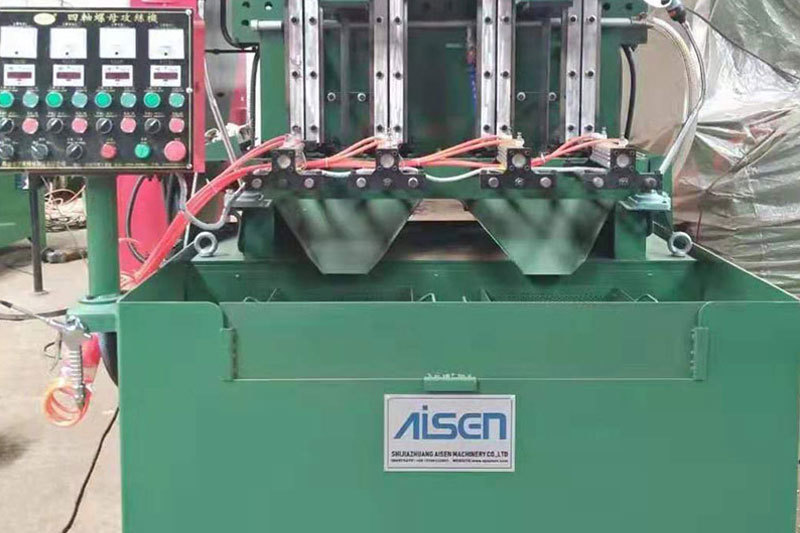
AISEN Four axis nut tapping machine ready for shipment to Russia
Four axis nut tapping machine for DIN934 M8,M10 Standard hex nut is ready for shipping to Russia by land transportation.
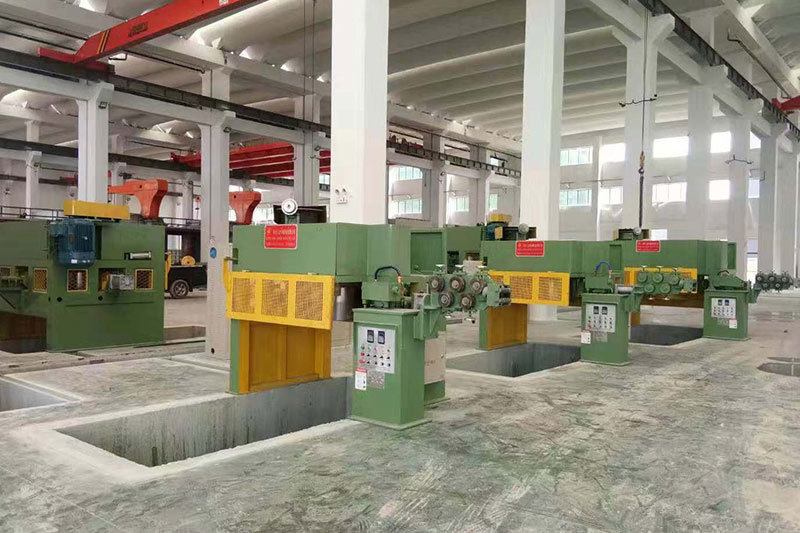
AISEN machinery inverted wire drawing machine
We hope to cooperate with more customers for mutual development and benefits. You are welcome to contact us
MESSAGES
We will contact you within one working day. Please pay attention to your email.
Qucik Link
Contact
Phone: +86-15100123091
E-mail: info@sjzaisen.com
Address: No.41 Zhaiying South Street, Yuhua District, Shijiazhuang City, Hebei Province China