

Understanding CNC Thread Rolling Machines: Revolutionizing Precision Manufacturing
Aug 02,2025


Author:
Summary:
CNC (Computer Numerical Control) thread rolling machines are highly specialized equipment used in the manufacturing industry, specifically designed to create threads on metal workpieces. Unlike traditional methods, which may involve cutting or machining threads, CNC thread rolling employs a forming process that enhances the strength and durability of the threaded components. This process is partic
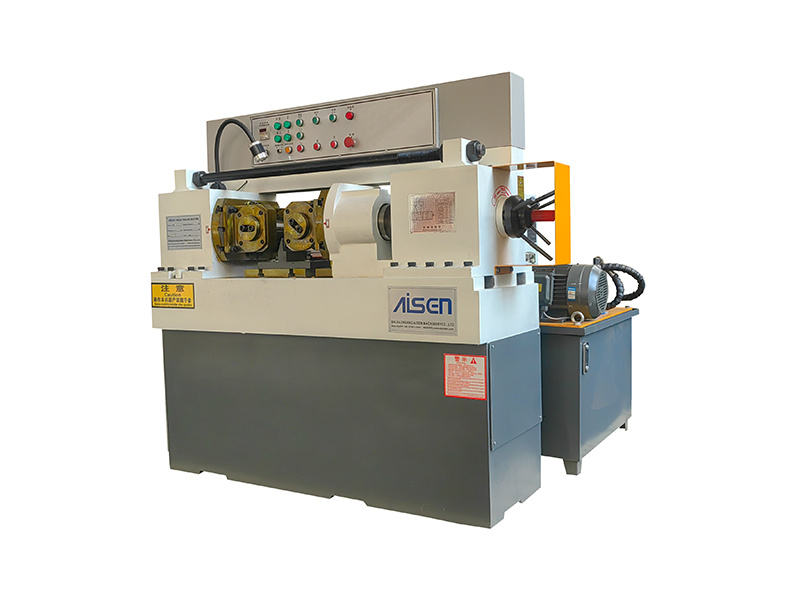
CNC (Computer Numerical Control) thread rolling machines are highly specialized equipment used in the manufacturing industry, specifically designed to create threads on metal workpieces. Unlike traditional methods, which may involve cutting or machining threads, CNC thread rolling employs a forming process that enhances the strength and durability of the threaded components. This process is particularly beneficial in industries requiring high precision and reliability, such as automotive, aerospace, and machinery manufacturing.
The operation of a CNC thread rolling machine is based on the principle of cold forming. In this process, the raw material is subjected to high pressure and rolled with specially designed dies to form threads. This method not only increases the material's tensile strength but also reduces waste, as it does not involve cutting away any material. The result is a more efficient production process and lower material costs, making CNC thread rolling machines a popular choice among manufacturers.
One of the key features of CNC thread rolling machines is their ability to produce threads with high precision and consistency. By utilizing CNC technology, these machines can be programmed to create complex thread profiles and varying diameters with minimal human intervention. This automation leads to an increase in productivity and reduces the risk of human error, ensuring that the threaded components meet the required specifications.
Furthermore, CNC thread rolling machines can accommodate various materials, including steel, aluminum, and plastic, making them versatile tools in the manufacturing sector. The ability to work with different materials expands their applicability across multiple industries, from producing fasteners in construction to creating intricate components in electronics.
Another advantage of CNC thread rolling machines is their efficiency in mass production. Once the initial setup is complete, these machines can operate continuously, significantly reducing production time. This capability is particularly crucial in today’s fast-paced manufacturing environments, where time-to-market can greatly affect a company's competitiveness.
Moreover, the thread rolling process is generally quieter and generates less heat compared to traditional machining processes, contributing to a safer and more comfortable working environment. This aspect of CNC thread rolling machines not only enhances operator safety but also minimizes the need for extensive cooling systems, further streamlining the manufacturing process.
In conclusion, CNC thread rolling machines represent a significant advancement in the field of manufacturing. By providing enhanced precision, reduced waste, and increased efficiency, these machines are transforming how threaded components are produced. As industries continue to evolve and demand higher quality products, the role of CNC thread rolling technology will only become more pivotal in shaping the future of manufacturing. With the growing emphasis on automation and precision engineering, investing in such machinery is a strategic move for manufacturers aiming to stay ahead in a competitive landscape.
Get A Quote
We will contact you within one working day. Please pay attention to your email.
Latest News
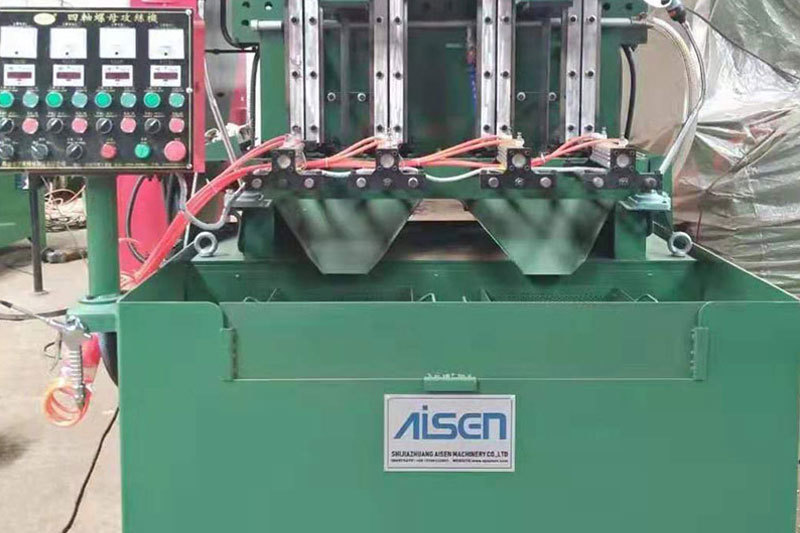
AISEN Four axis nut tapping machine ready for shipment to Russia
Four axis nut tapping machine for DIN934 M8,M10 Standard hex nut is ready for shipping to Russia by land transportation.
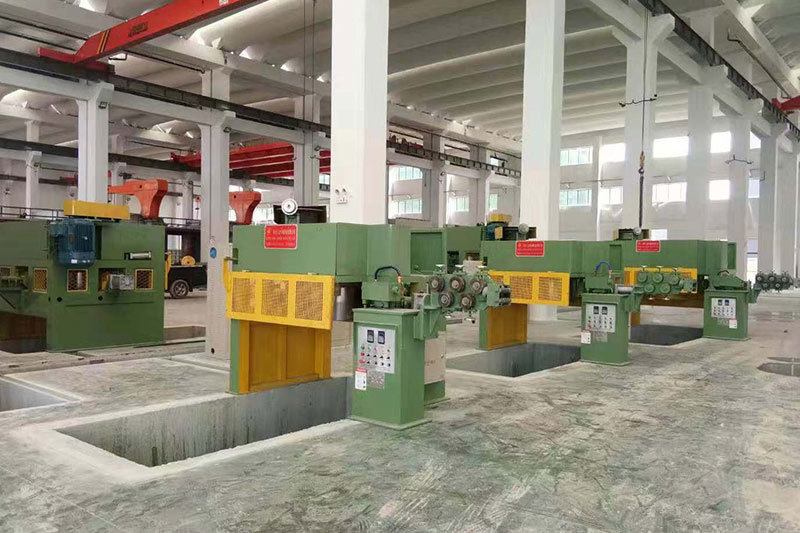
AISEN machinery inverted wire drawing machine
We hope to cooperate with more customers for mutual development and benefits. You are welcome to contact us
MESSAGES
We will contact you within one working day. Please pay attention to your email.
Qucik Link
Contact
Phone: +86-15100123091
E-mail: info@sjzaisen.com
Address: No.41 Zhaiying South Street, Yuhua District, Shijiazhuang City, Hebei Province China