

Maximizing Efficiency: The Ultimate Guide to Chamfering Machines
Aug 03,2025


Author:
Summary:
Maximizing Efficiency: The Ultimate Guide to Chamfering Machines
Table of Contents
Introduction to Chamfering Machines
What is a Chamfering Machine?
Types of Chamfering Machines
Benefits of Using Chamfering Machines
How to Choose the Right Chamfering Machine
Best Practices for Operating Chamfering Machines
Maintenance and Care of Chamfering Machines
Common Issues and Solutions
C
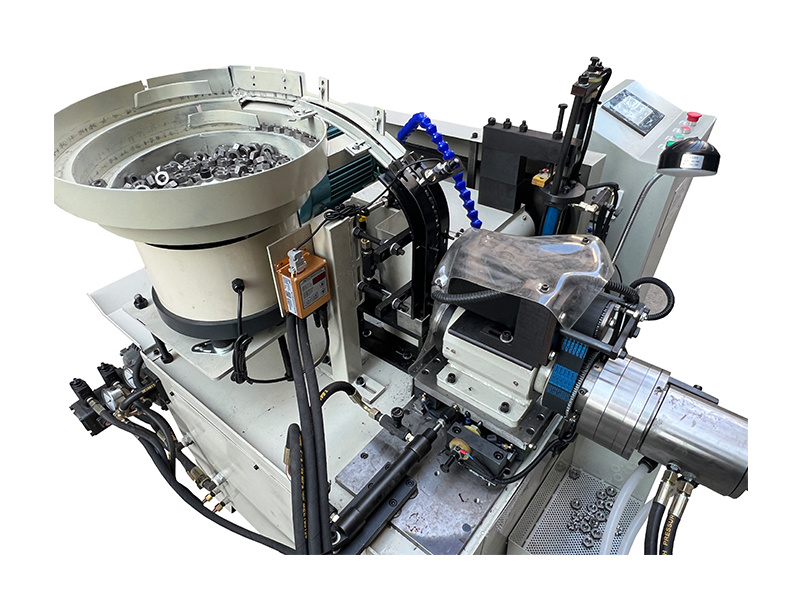
Maximizing Efficiency: The Ultimate Guide to Chamfering Machines
Table of Contents
- Introduction to Chamfering Machines
- What is a Chamfering Machine?
- Types of Chamfering Machines
- Benefits of Using Chamfering Machines
- How to Choose the Right Chamfering Machine
- Best Practices for Operating Chamfering Machines
- Maintenance and Care of Chamfering Machines
- Common Issues and Solutions
- Conclusion
- FAQs
Introduction to Chamfering Machines
In the realm of manufacturing, efficiency is paramount. One area where efficiency can be greatly enhanced is through the use of **chamfering machines**. These specialized machines are designed to create beveled edges on materials, which is crucial for improving both aesthetic appeal and functional integrity. In this guide, we will delve deep into chamfering machines, exploring their types, benefits, and operational best practices.
What is a Chamfering Machine?
A **chamfering machine** is a tool used to cut a bevel on the edge of a workpiece. This process, known as **chamfering**, can be performed on various materials, including wood, metal, and plastic. By removing sharp edges, chamfering enhances safety, reduces the risk of chipping, and improves the appearance of the finished product. Chamfering machines can be manual or automated, catering to different production scales and requirements.
Types of Chamfering Machines
Understanding the various types of chamfering machines available in the market is essential for selecting the best equipment for your needs. Here are the primary types:
1. Manual Chamfering Machines
Manual chamfering machines require human operation to guide the workpiece against the cutting tool. They are suitable for smaller production runs and intricate work, offering flexibility and control.
2. Automatic Chamfering Machines
Automatic models are designed for high-volume production. They utilize advanced technology to perform chamfering tasks with precision and speed, reducing labor costs and enhancing output.
3. CNC Chamfering Machines
Computer Numerical Control (CNC) chamfering machines provide unparalleled accuracy and repeatability. They are programmable, allowing manufacturers to produce complex shapes and designs with minimal manual intervention.
4. Portable Chamfering Machines
Portable options are ideal for on-site applications, particularly in construction and maintenance. These machines are lightweight and easy to maneuver, making them versatile for various tasks.
Benefits of Using Chamfering Machines
Utilizing chamfering machines in your manufacturing process offers several advantages:
1. Improved Safety
By removing sharp edges, chamfering enhances safety for workers, reducing the likelihood of cuts and injuries.
2. Enhanced Aesthetic Appeal
Well-chamfered edges contribute to the overall aesthetic of a product, making it more visually appealing to consumers.
3. Increased Durability
Chamfering helps to distribute stress more evenly across the material, enhancing the durability and longevity of the finished product.
4. Streamlined Production
Automated and CNC chamfering machines significantly speed up the production process, allowing manufacturers to meet high demand efficiently.
How to Choose the Right Chamfering Machine
Selecting the appropriate chamfering machine involves considering several factors:
1. Production Volume
Determine your production volume to decide between manual, automatic, or CNC models. Higher volumes typically warrant the investment in automation.
2. Material Type
Different materials require different machining techniques. Ensure the chosen machine is suitable for the materials you will be working with.
3. Desired Chamfer Angle
Different applications necessitate various chamfer angles. Choose a machine that can accommodate the specific angles required for your projects.
4. Budget Constraints
Evaluate your budget while considering long-term gains. Investing in quality equipment can yield significant returns in efficiency and output.
Best Practices for Operating Chamfering Machines
To maximize the effectiveness of chamfering machines, it's crucial to follow best practices:
1. Regular Training
Ensure all operators are trained thoroughly on machine operation and safety protocols to reduce errors and enhance productivity.
2. Proper Setup
Accurate machine setup is critical for optimal performance. Take the time to align and calibrate machines before production starts.
3. Monitor Performance
Keep a close eye on the machine's performance metrics, such as cutting speed and tool wear, to ensure consistent quality.
4. Use Quality Tools
Invest in high-quality cutting tools that are compatible with your chamfering machine to ensure longevity and performance.
Maintenance and Care of Chamfering Machines
Proper maintenance is essential to prolong the life of your chamfering machines and maintain efficiency:
1. Regular Cleaning
Keep the machine clean and free from debris to prevent malfunctions and ensure smooth operation.
2. Lubrication
Apply appropriate lubricants as per the manufacturer's guidelines to reduce friction and wear on moving parts.
3. Scheduled Inspections
Conduct routine inspections to identify and rectify issues before they escalate, avoiding costly downtime.
Common Issues and Solutions
Even the best chamfering machines can face challenges. Here are some common issues and their solutions:
1. Poor Cutting Quality
*Solution:* Check tool sharpness and alignment. Dull tools should be replaced or sharpened.
2. Excessive Vibration
*Solution:* Ensure the machine is properly anchored and that workpieces are securely held.
3. Tool Wear
*Solution:* Monitor tool usage and replace worn tools promptly to maintain cutting quality.
Conclusion
Chamfering machines play an essential role in modern manufacturing, providing efficiency, safety, and enhanced product quality. By understanding the various types of machines available, their benefits, and best practices for operation and maintenance, manufacturers can leverage this technology to maximize their productivity. Investing in the right chamfering machine, coupled with a commitment to proper operation and care, can lead to significant improvements in your manufacturing processes.
FAQs
1. What materials can be processed with chamfering machines?
Chamfering machines can handle a variety of materials, including metals, plastics, and wood. The specific type of machine may vary based on the material being processed.
2. How do I know which chamfering machine is right for my business?
Consider your production volume, material types, desired chamfer angles, and budget when choosing a chamfering machine.
3. Are CNC chamfering machines worth the investment?
Yes, CNC chamfering machines are highly efficient and precise, making them a worthwhile investment for businesses with high production demands.
4. How often should I maintain my chamfering machine?
Regular maintenance should be performed according to the manufacturer’s guidelines, typically involving daily cleaning and frequent inspections.
5. Can I perform chamfering manually?
Yes, manual chamfering is possible, especially for small-scale operations, but it may not be as efficient as using automated or CNC machines for larger production needs.
Get A Quote
We will contact you within one working day. Please pay attention to your email.
Latest News
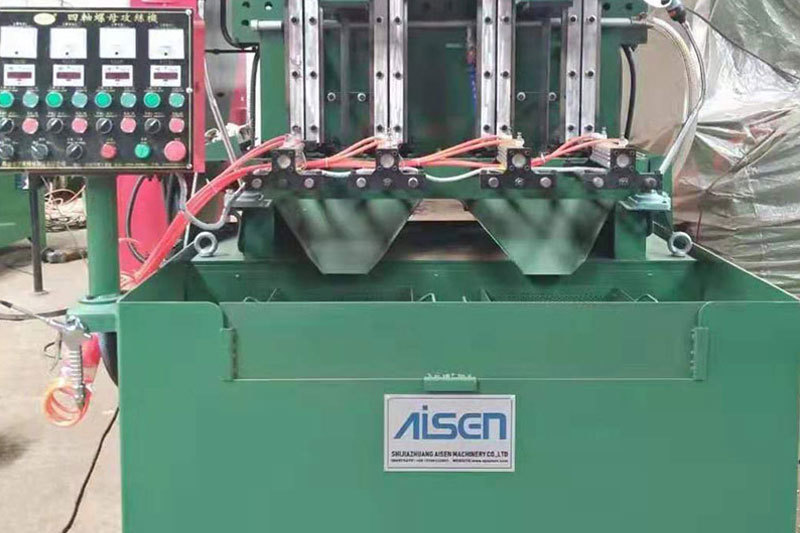
AISEN Four axis nut tapping machine ready for shipment to Russia
Four axis nut tapping machine for DIN934 M8,M10 Standard hex nut is ready for shipping to Russia by land transportation.
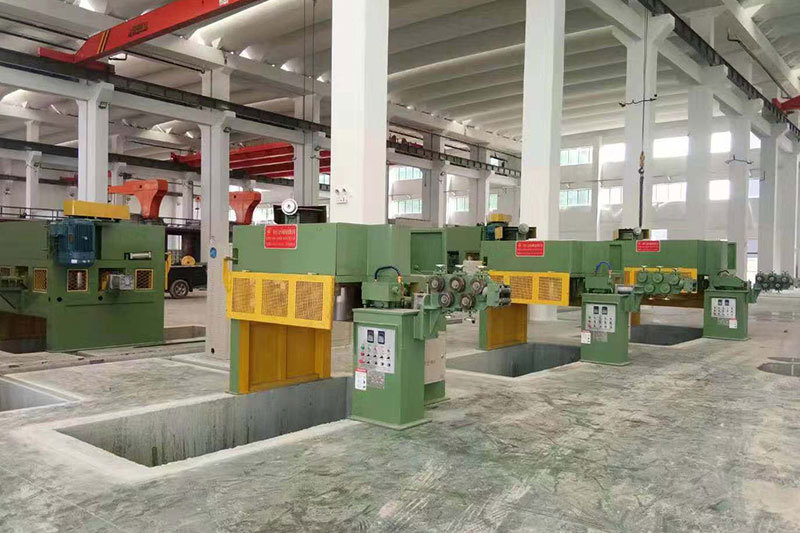
AISEN machinery inverted wire drawing machine
We hope to cooperate with more customers for mutual development and benefits. You are welcome to contact us
MESSAGES
We will contact you within one working day. Please pay attention to your email.
Qucik Link
Contact
Phone: +86-15100123091
E-mail: info@sjzaisen.com
Address: No.41 Zhaiying South Street, Yuhua District, Shijiazhuang City, Hebei Province China