

Maximize Efficiency with a Single Head Chamfering Machine: The Ultimate Guide
Aug 07,2025


Author:
Summary:
Maximize Efficiency with a Single Head Chamfering Machine
Table of Contents
1. Introduction to Single Head Chamfering Machines
2. Benefits of Using a Single Head Chamfering Machine
3. How a Single Head Chamfering Machine Works
4. Applications of Single Head Chamfering Machines
5. Choosing the Right Single Head Chamfering Machine
6. Maintenance Tips for Optimal Performance
7. Tro
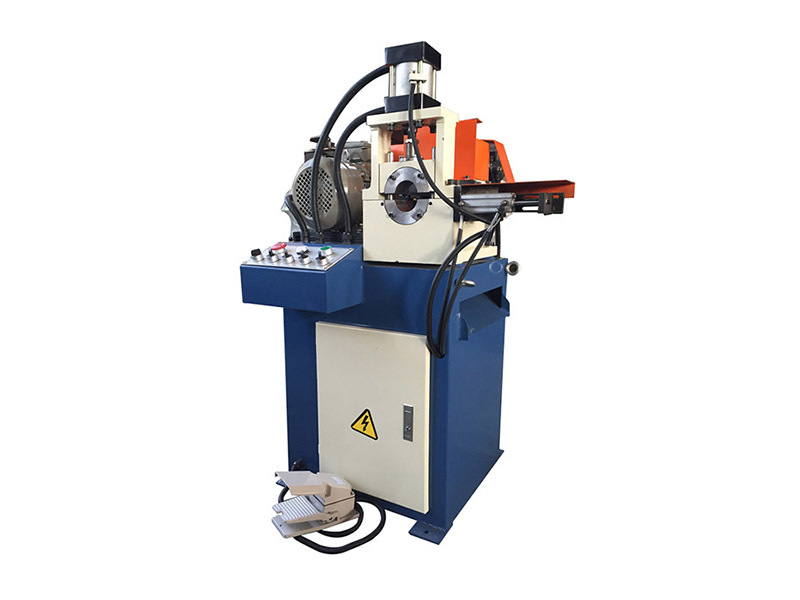
Maximize Efficiency with a Single Head Chamfering Machine
Table of Contents
- 1. Introduction to Single Head Chamfering Machines
- 2. Benefits of Using a Single Head Chamfering Machine
- 3. How a Single Head Chamfering Machine Works
- 4. Applications of Single Head Chamfering Machines
- 5. Choosing the Right Single Head Chamfering Machine
- 6. Maintenance Tips for Optimal Performance
- 7. Troubleshooting Common Issues
- 8. Future Trends in Chamfering Technology
- 9. Frequently Asked Questions
- 10. Conclusion
1. Introduction to Single Head Chamfering Machines
In the world of manufacturing and machining, efficiency is paramount. As businesses strive to enhance their production processes, the **single head chamfering machine** emerges as a pivotal tool. This machine is designed specifically to create beveled edges on various materials, ensuring that the finished product meets high-quality standards. Unlike traditional methods, which may involve multiple steps and tools, the single head chamfering machine simplifies the process, allowing for quicker turnaround times and reducing labor costs.
2. Benefits of Using a Single Head Chamfering Machine
The advantages of utilizing a single head chamfering machine are numerous. Here are some of the primary benefits:
2.1 Increased Productivity
By automating the chamfering process, manufacturers can significantly increase their production rates. The single head design allows for quick setup and operation, enabling operators to process more components in less time.
2.2 Improved Precision
Single head chamfering machines are engineered for accuracy. They provide consistent results, minimizing the risk of human error often associated with manual chamfering techniques. This precision not only enhances the quality of the products but also reduces waste.
2.3 Versatility
These machines can handle a wide range of materials, including metals, plastics, and composites. This versatility makes them suitable for various industries, from automotive to aerospace and everything in between.
2.4 Cost-Effectiveness
While the initial investment in a single head chamfering machine may be higher than manual tools, the long-term savings in labor and material waste make it a cost-effective choice.
2.5 Enhanced Safety
With fewer manual handling operations, the risk of workplace injuries is significantly reduced. Automated machines like the single head chamfering machine contribute to a safer working environment.
3. How a Single Head Chamfering Machine Works
Understanding the inner workings of a single head chamfering machine is crucial for maximizing its potential. These machines typically operate using a rotating cutting tool that removes material from the edges of the workpiece. Here’s how the process generally unfolds:
3.1 Setup and Calibration
Before operating the machine, it is essential to ensure that the workpiece is securely clamped. The operator then calibrates the machine settings according to the desired chamfer angle and depth.
3.2 Operation
Once set up, the machine's cutting tool engages the workpiece. The single head design allows for smooth and precise movement, efficiently creating the beveled edge. Advanced controls can adjust the speed and feed rate, enhancing the machining process.
3.3 Finishing
After the chamfering operation is completed, the machine may also include features for deburring or polishing the edges, ensuring a smooth finish ready for further processing or assembly.
4. Applications of Single Head Chamfering Machines
Single head chamfering machines find utility in various sectors. Their applications include:
4.1 Metalworking
In metal fabrication, chamfering is essential for preparing edges for welding, painting, or assembly. The precision of a chamfering machine ensures that joints fit perfectly, enhancing the structural integrity of the final product.
4.2 Woodworking
In woodworking, single head chamfering machines are used to create decorative edges on furniture and cabinetry, as well as to prepare surfaces for joining.
4.4 Aerospace and Automotive Industries
Chamfered edges are critical for components in both aerospace and automotive applications, where safety and performance depend on precise engineering.
4.5 Construction
In construction, these machines are employed to prepare edges of materials for a better fit during assembly, reducing the risk of damage during transport and installation.
5. Choosing the Right Single Head Chamfering Machine
Selecting the appropriate single head chamfering machine involves considering several factors to ensure it meets your specific needs:
5.1 Material Compatibility
Assess the types of materials you will be chamfering. Ensure the machine can handle the specific thickness and hardness of the materials you work with.
5.2 Desired Chamfer Angle and Depth
Different projects require various chamfer angles and depths. Choose a machine that offers adjustable settings for versatility.
5.3 Production Volume
Consider your production needs. Higher volume operations may benefit from more robust machines with faster processing speeds.
5.4 Budget
While investing in a high-quality machine is essential, ensure that it fits within your budget. Balance the initial cost with the long-term savings and efficiency gains.
6. Maintenance Tips for Optimal Performance
To keep your single head chamfering machine running smoothly, regular maintenance is essential. Here are some tips to prolong its lifespan and ensure optimal performance:
6.1 Regular Cleaning
Dust and debris can accumulate in and around the machine. Regular cleaning prevents buildup that can affect performance.
6.2 Lubrication
Proper lubrication of moving parts reduces friction and wear, allowing for smoother operation and extended machine life.
6.3 Inspections
Conduct routine inspections to identify any wear and tear. Early detection of issues can prevent costly repairs and downtime.
6.4 Software Updates
If your machine features programmable settings, regularly check for software updates to enhance functionality and efficiency.
7. Troubleshooting Common Issues
Even with regular maintenance, issues may arise. Here are common problems with their solutions:
7.1 Inconsistent Chamfering
If you notice inconsistent results, check the machine's calibration and ensure that it’s properly set up for the material being worked on.
7.2 Excessive Tool Wear
Frequent tool wear may indicate that the cutting speed is too high or that the wrong tool is being used for the material type. Adjust accordingly.
7.3 Machine Not Starting
If the machine fails to start, check the power supply and ensure all safety features are engaged.
8. Future Trends in Chamfering Technology
As technology evolves, chamfering machines are becoming smarter and more efficient. Here are a few trends to watch for:
8.1 Automation and AI Integration
The integration of automation and artificial intelligence can enhance the precision and efficiency of chamfering processes. Machines may soon adapt in real-time to changing workpiece conditions.
8.2 Enhanced Connectivity
IoT capabilities are allowing machines to connect with other systems for seamless operation and data collection, enabling more efficient production lines.
8.3 Sustainable Manufacturing
With a focus on sustainability, newer machines may feature designs that reduce waste and energy consumption, aligning with eco-friendly manufacturing practices.
9. Frequently Asked Questions
9.1 What materials can be processed with a single head chamfering machine?
A single head chamfering machine can effectively work with a range of materials, including metals, plastics, and composites.
9.2 How do I maintain my chamfering machine?
Regular cleaning, lubrication, inspections, and timely software updates are essential for maintenance.
9.3 Can I adjust the chamfer angle on my machine?
Yes, most single head chamfering machines come with adjustable settings for chamfer angles and depths.
9.4 What is the average lifespan of a single head chamfering machine?
With proper maintenance, a high-quality chamfering machine can last for many years, often exceeding a decade of reliable service.
9.5 Are there any safety precautions to take when using a chamfering machine?
Always follow manufacturer safety guidelines, wear appropriate personal protective equipment, and ensure all safety features are functional before operation.
10. Conclusion
In conclusion, maximizing efficiency with a single head chamfering machine is not just a matter of investing in the right tool; it’s about understanding its capabilities and integrating it into your production workflow effectively. The benefits, from improved precision to increased productivity, make it an invaluable asset in any manufacturing environment. As technology advances, staying informed about trends and best practices will ensure that your operations remain competitive and efficient. Embrace the power of chamfering machines and elevate your manufacturing processes to new heights.
Get A Quote
We will contact you within one working day. Please pay attention to your email.
Latest News
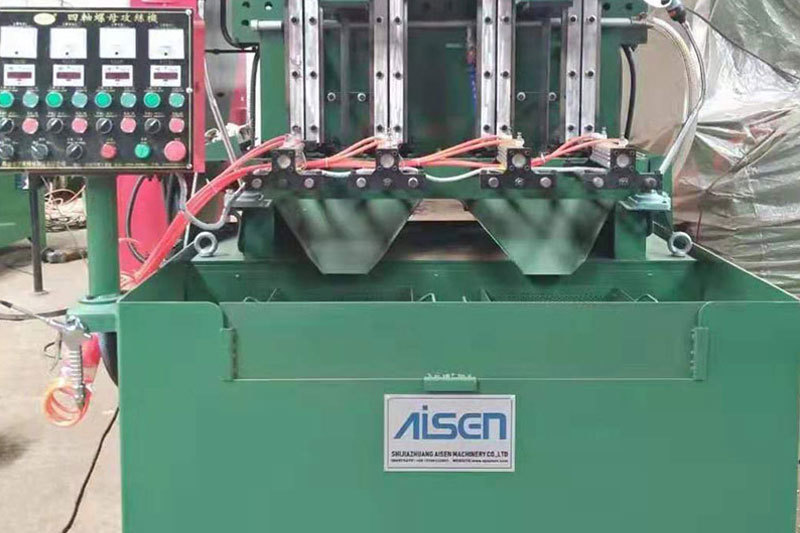
AISEN Four axis nut tapping machine ready for shipment to Russia
Four axis nut tapping machine for DIN934 M8,M10 Standard hex nut is ready for shipping to Russia by land transportation.
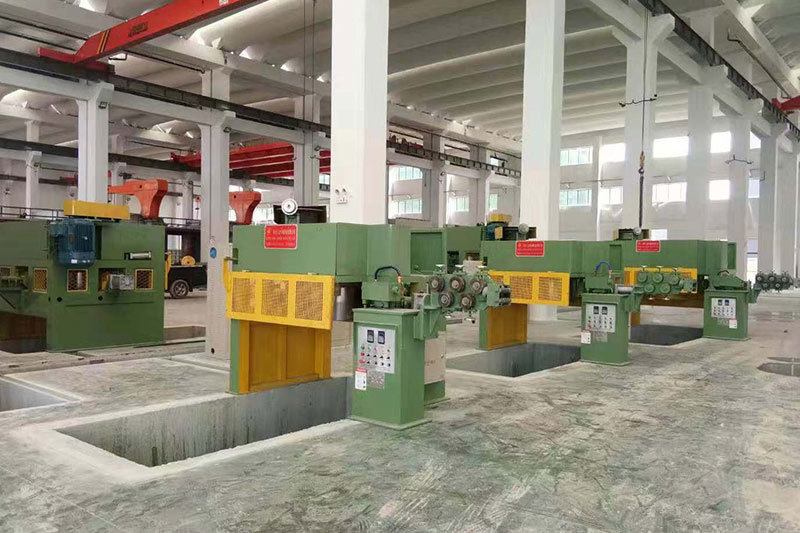
AISEN machinery inverted wire drawing machine
We hope to cooperate with more customers for mutual development and benefits. You are welcome to contact us
MESSAGES
We will contact you within one working day. Please pay attention to your email.
Qucik Link
Contact
Phone: +86-15100123091
E-mail: info@sjzaisen.com
Address: No.41 Zhaiying South Street, Yuhua District, Shijiazhuang City, Hebei Province China