

How Shearing and Punching Machines Significantly Improve Manufacturing Efficiency
Aug 09,2025


Author:
Summary:
How Shearing and Punching Machines Significantly Improve Manufacturing Efficiency
Table of Contents
Introduction: The Importance of Shearing and Punching Machines in Manufacturing
Understanding Shearing and Punching Machines
What is Shearing?
What is Punching?
Benefits of Using Shearing and Punching Machines
Improving Effi
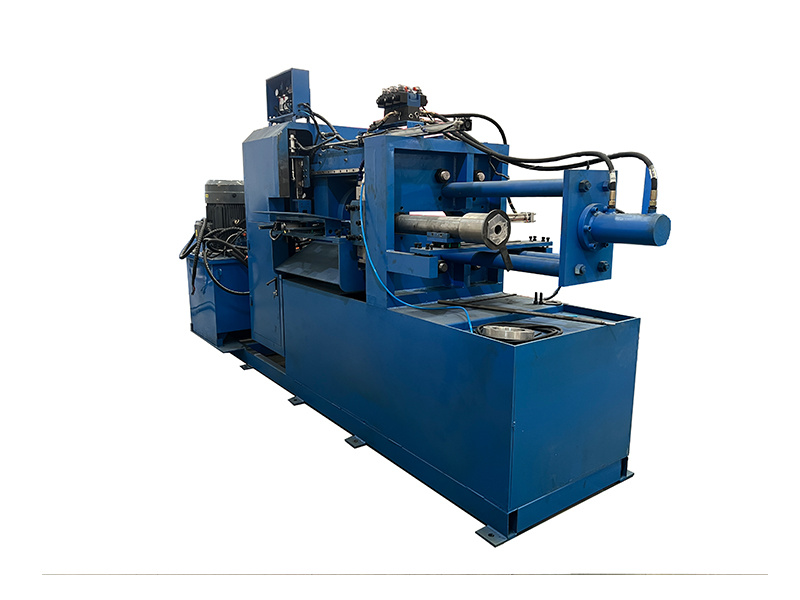
How Shearing and Punching Machines Significantly Improve Manufacturing Efficiency
Table of Contents
- Introduction: The Importance of Shearing and Punching Machines in Manufacturing
- Understanding Shearing and Punching Machines
- Benefits of Using Shearing and Punching Machines
- Cost Reduction and Resource Management
- Applications of Shearing and Punching Machines in Various Industries
- Technological Advancements in Shearing and Punching Machines
- Maintenance Tips for Optimal Performance
- The Future of Manufacturing: Where Shearing and Punching Machines Fit In
- Frequently Asked Questions
- Conclusion
Introduction: The Importance of Shearing and Punching Machines in Manufacturing
In today's highly competitive manufacturing landscape, efficiency is paramount. Manufacturers are constantly seeking innovative solutions to enhance their productivity while maintaining quality. **Shearing and punching machines** stand out as critical tools that streamline operations and significantly boost manufacturing efficiency. By understanding how these machines work and the benefits they offer, companies can harness their potential to improve both output and profit margins.
Understanding Shearing and Punching Machines
Shearing and punching machines are essential equipment in the manufacturing sector, particularly in industries such as metal fabrication, leather processing, and more. These machines are designed to cut, shape, and form materials into desired specifications.
What is Shearing?
**Shearing** is a process that involves cutting materials without the formation of chips or the use of burning or melting methods. The process is commonly applied to sheet metals, allowing manufacturers to achieve precise cuts with smooth edges. **Shearing machines** utilize blades that move against each other to slice through materials effectively. The benefits of shearing include faster operation and reduced waste, making it an indispensable part of many manufacturing processes.
What is Punching?
**Punching** is another critical manufacturing process where holes are created in materials like metal sheets, plastics, and leather. A punching machine uses a punch and die setup to create holes of various shapes and sizes. This process enhances versatility and allows for complex designs to be produced quickly and efficiently. The ability to create multiple holes in a single operation significantly reduces the time and labor required compared to traditional drilling methods.
Benefits of Using Shearing and Punching Machines
Integrating shearing and punching machines into manufacturing operations brings a host of benefits that can transform efficiency and output.
Improving Efficiency and Productivity
One of the primary advantages of shearing and punching machines is their ability to drastically improve efficiency. These machines are designed for high-speed operations, allowing manufacturers to process large volumes of materials in a fraction of the time it would take using manual methods. **Automated systems** further enhance productivity by minimizing downtime and increasing the speed of repetitive tasks.
Moreover, the consistency and repeatability of outputs from these machines reduce the likelihood of errors, allowing for a more streamlined workflow. This efficiency means that manufacturers can meet growing demand without compromising quality, leading to higher customer satisfaction and increased market competitiveness.
Precision and Accuracy in Manufacturing
Precision is a critical requirement in manufacturing. Shearing and punching machines deliver high levels of accuracy, ensuring that cuts and holes meet precise specifications. This is particularly beneficial in industries where exact dimensions are crucial, such as aerospace, automotive, and electronics.
The advanced technology behind modern shearing and punching machines enables manufacturers to achieve tolerances that were previously unattainable with manual methods. **CNC (Computer Numerical Control) technology** allows for programmable cuts, enhancing the ability to replicate designs seamlessly, which in turn reduces material waste and production costs.
Cost Reduction and Resource Management
Implementing shearing and punching machines can lead to significant cost savings for manufacturers. By increasing efficiency and reducing material waste, these machines allow for better resource management. The initial investment in high-quality machinery often pays off through long-term operational savings.
Furthermore, the speed and efficiency of these machines reduce labor costs. Fewer workers are needed to achieve the same output, enabling companies to allocate human resources to other critical areas of production. This strategic allocation fosters innovation and can lead to further improvements in processes.
Applications of Shearing and Punching Machines in Various Industries
Shearing and punching machines find applications across a wide range of industries. Some of the most notable include:
1. Metal Fabrication
In metal fabrication, shearing machines are used to cut metal sheets to size, while punching machines create holes for assembly and fastening processes. This combination streamlines the manufacturing of components used in construction and machinery.
2. Leather Processing
In the leather industry, punching machines are vital for creating precise holes for stitching, rivets, and other fastening methods. Shearing machines are also employed to cut leather hides into specific shapes and sizes for various products.
3. Electronics Manufacturing
Electronics manufacturers rely on precise cutting and punching to create circuit boards and enclosures. The accuracy of these machines is essential to ensuring the reliability of electronic devices.
4. Automotive Industry
The automotive sector utilizes shearing and punching machines extensively for manufacturing parts such as chassis, brackets, and panels. The ability to produce these components quickly and accurately is crucial for maintaining efficient assembly lines.
5. Aerospace Industry
In aerospace manufacturing, the need for lightweight and strong components is critical. Shearing and punching machines enable the production of high-precision parts that meet stringent safety and performance standards.
Technological Advancements in Shearing and Punching Machines
As technology continues to evolve, so do shearing and punching machines. The integration of **CNC technology** has dramatically changed how these machines are operated. CNC systems allow for programmable control of cutting and punching processes, leading to enhanced precision, reduced lead times, and improved overall efficiency.
Additionally, advancements in automation, such as robotic arms and smart sensors, have made it possible to create fully automated manufacturing systems where shearing and punching machines operate without the need for constant human supervision. This automation not only increases efficiency but also reduces the risk of human error.
Maintenance Tips for Optimal Performance
To maximize efficiency and longevity, proper maintenance of shearing and punching machines is essential. Here are some best practices:
1. Regular Inspections
Conduct routine inspections to identify signs of wear and tear. Check blades, punches, and dies for any damage or dullness that could affect performance.
2. Lubrication
Ensure that all moving parts are adequately lubricated to reduce friction and wear. Regular lubrication can prolong the life of the machines and enhance operational efficiency.
3. Calibration
Periodically calibrate machines to ensure they are functioning accurately. This avoids costly mistakes and ensures that production quality remains high.
4. Operator Training
Invest in training for operators to ensure they are familiar with the machine's functionalities and maintenance requirements. Well-trained staff can identify issues early and operate the machines more efficiently.
The Future of Manufacturing: Where Shearing and Punching Machines Fit In
The future of manufacturing is poised for significant changes as industries adapt to new technologies and evolving customer demands. Shearing and punching machines will continue to play a crucial role in this evolution.
As manufacturers prioritize sustainability, these machines will need to be more energy-efficient and produce less waste. Innovations such as **eco-friendly materials** and **smart manufacturing** processes will likely become standard practices, further enhancing the capabilities of shearing and punching technology.
Moreover, the integration of AI and machine learning will provide manufacturers with valuable insights into operational efficiencies, enabling them to make data-driven decisions that optimize their production processes.
Frequently Asked Questions
1. What materials can be processed with shearing and punching machines?
Shearing and punching machines can process a variety of materials, including metal sheets, plastics, and leather, making them versatile for different industries.
2. How do I choose the right machine for my manufacturing needs?
Consider factors such as material type, thickness, desired cut shapes, and production volume when selecting a shearing or punching machine.
3. How often should I perform maintenance on my shearing and punching machines?
Regular maintenance should be conducted according to the manufacturer's recommendations, typically including routine inspections and lubrication every few months.
4. Can shearing and punching machines be automated?
Yes, many modern shearing and punching machines can be integrated with automation technology for enhanced efficiency and reduced labor costs.
5. What advancements are expected in shearing and punching technology?
Future advancements may include increased automation, energy efficiency, and the integration of AI for better operational insight and machine learning capabilities.
Conclusion
Incorporating **shearing and punching machines** into manufacturing processes presents a significant opportunity to enhance efficiency and productivity. These machines not only streamline operations but also ensure precision and reduce costs, making them invaluable assets across various industries. As technology evolves, the role of shearing and punching machines will continue to grow, paving the way for a future where manufacturing is faster, smarter, and more sustainable. Embracing these innovations today will position businesses for success in tomorrow's competitive landscape.
Get A Quote
We will contact you within one working day. Please pay attention to your email.
Latest News
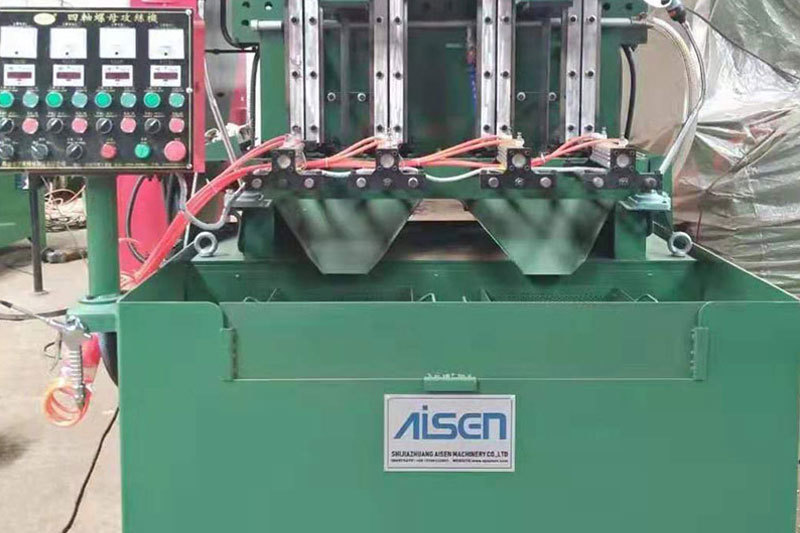
AISEN Four axis nut tapping machine ready for shipment to Russia
Four axis nut tapping machine for DIN934 M8,M10 Standard hex nut is ready for shipping to Russia by land transportation.
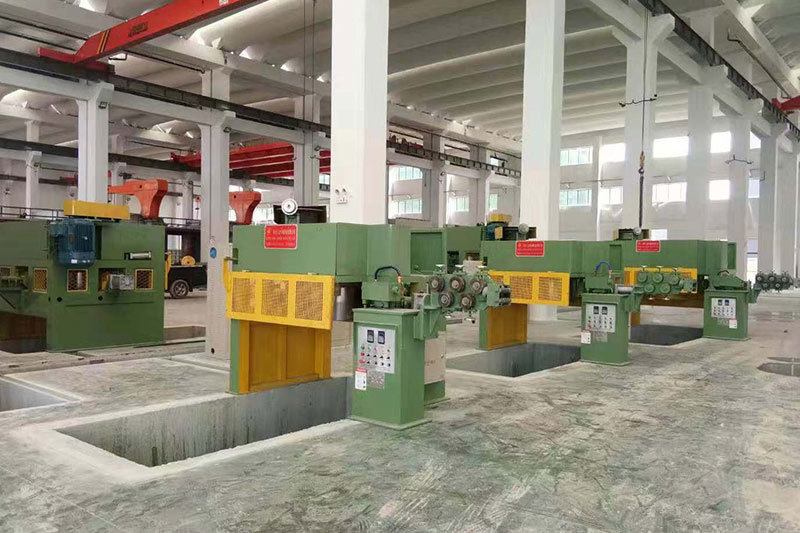
AISEN machinery inverted wire drawing machine
We hope to cooperate with more customers for mutual development and benefits. You are welcome to contact us
MESSAGES
We will contact you within one working day. Please pay attention to your email.
Qucik Link
Contact
Phone: +86-15100123091
E-mail: info@sjzaisen.com
Address: No.41 Zhaiying South Street, Yuhua District, Shijiazhuang City, Hebei Province China