

Understanding U Bolt Bending Machines: Essential Tools for Precision Manufacturing
Aug 12,2025


Author:
Summary:
U Bolt Bending Machines are specialized equipment integral to the manufacturing and processing of metal components, particularly U-shaped bolts. These machines are designed to bend metal rods and strips into the desired U-shape with high accuracy and efficiency. The ability to create precise bends is essential for various applications, including automotive, construction, and machinery assembly, wh
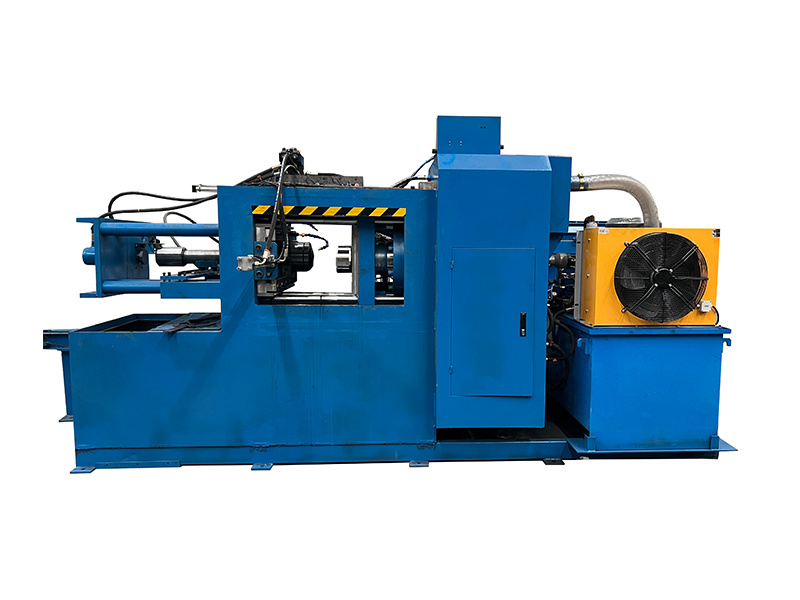
U Bolt Bending Machines are specialized equipment integral to the manufacturing and processing of metal components, particularly U-shaped bolts. These machines are designed to bend metal rods and strips into the desired U-shape with high accuracy and efficiency. The ability to create precise bends is essential for various applications, including automotive, construction, and machinery assembly, where U bolts play a critical role in securing and fastening components.
The operation of a U Bolt Bending Machine typically involves feeding a metal rod into the machine, where it is subjected to controlled bending forces. Advanced models may employ hydraulic or electric mechanisms to ensure that the bending process is both smooth and consistent. The machine's design allows for various bend angles and radii, making it adaptable for different U bolt specifications. Understanding the machine's capabilities is crucial for manufacturers looking to enhance production efficiency and maintain quality standards.
U Bolt Bending Machines serve multiple industries, with their primary applications found in automotive manufacturing, where U bolts are commonly used in suspension systems and frame assemblies. Additionally, these machines are vital in construction, where durable fasteners are required to secure structural elements. The aerospace industry also utilizes U bolts, necessitating precise bends to meet stringent safety and performance standards.
The choice of materials for U bolts is another crucial factor that influences the bending process. Common materials include steel, stainless steel, and other alloys that offer strength and corrosion resistance. The U Bolt Bending Machine must be calibrated to accommodate different material properties, ensuring that the bending does not compromise the integrity of the material.
Furthermore, the efficiency of U Bolt Bending Machines can significantly impact overall production timelines. By automating the bending process, manufacturers can reduce labor costs and minimize the risk of human error. This automation allows for a higher volume of U bolts to be produced in a shorter timeframe, giving companies a competitive edge.
In conclusion, U Bolt Bending Machines are indispensable assets in various manufacturing sectors. Their ability to produce high-quality, precise U bolts efficiently makes them a vital component of modern manufacturing processes. Professionals in the industry should prioritize understanding the operational mechanics, applications, and material compatibility of these machines to leverage their full potential in production lines. By doing so, manufacturers can enhance their output, ensure product quality, and meet the demands of an ever-evolving marketplace.
The operation of a U Bolt Bending Machine typically involves feeding a metal rod into the machine, where it is subjected to controlled bending forces. Advanced models may employ hydraulic or electric mechanisms to ensure that the bending process is both smooth and consistent. The machine's design allows for various bend angles and radii, making it adaptable for different U bolt specifications. Understanding the machine's capabilities is crucial for manufacturers looking to enhance production efficiency and maintain quality standards.
U Bolt Bending Machines serve multiple industries, with their primary applications found in automotive manufacturing, where U bolts are commonly used in suspension systems and frame assemblies. Additionally, these machines are vital in construction, where durable fasteners are required to secure structural elements. The aerospace industry also utilizes U bolts, necessitating precise bends to meet stringent safety and performance standards.
The choice of materials for U bolts is another crucial factor that influences the bending process. Common materials include steel, stainless steel, and other alloys that offer strength and corrosion resistance. The U Bolt Bending Machine must be calibrated to accommodate different material properties, ensuring that the bending does not compromise the integrity of the material.
Furthermore, the efficiency of U Bolt Bending Machines can significantly impact overall production timelines. By automating the bending process, manufacturers can reduce labor costs and minimize the risk of human error. This automation allows for a higher volume of U bolts to be produced in a shorter timeframe, giving companies a competitive edge.
In conclusion, U Bolt Bending Machines are indispensable assets in various manufacturing sectors. Their ability to produce high-quality, precise U bolts efficiently makes them a vital component of modern manufacturing processes. Professionals in the industry should prioritize understanding the operational mechanics, applications, and material compatibility of these machines to leverage their full potential in production lines. By doing so, manufacturers can enhance their output, ensure product quality, and meet the demands of an ever-evolving marketplace.
PREVIOUS:
Get A Quote
We will contact you within one working day. Please pay attention to your email.
Latest News
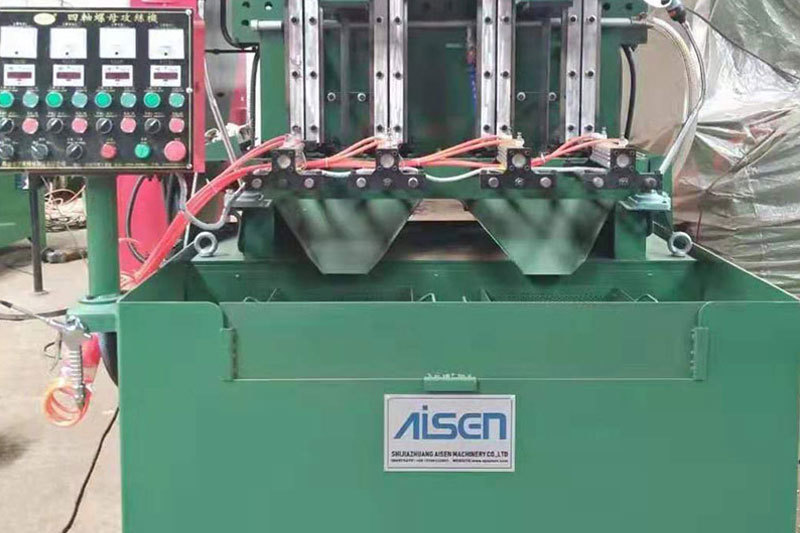
AISEN Four axis nut tapping machine ready for shipment to Russia
Four axis nut tapping machine for DIN934 M8,M10 Standard hex nut is ready for shipping to Russia by land transportation.
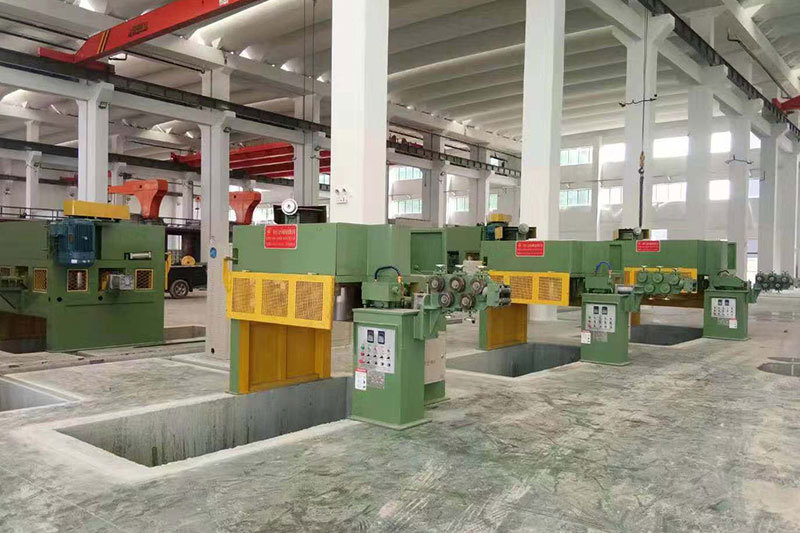
AISEN machinery inverted wire drawing machine
We hope to cooperate with more customers for mutual development and benefits. You are welcome to contact us
MESSAGES
We will contact you within one working day. Please pay attention to your email.
Qucik Link
Contact
Phone: +86-15100123091
E-mail: info@sjzaisen.com
Address: No.41 Zhaiying South Street, Yuhua District, Shijiazhuang City, Hebei Province China