
Comparing Traditional vs. Inverted Wire Drawing Machines: Which is Better?
Sep 16,2025


Author:
Summary:
Comparing Traditional vs. Inverted Wire Drawing Machines: Which is Better?
Table of Contents
1. Introduction to Wire Drawing Machines
2. Traditional Wire Drawing Machines Explained
3. Inverted Wire Drawing Machines Explained
4. Key Differences Between Traditional and Inverted Wire Drawing Machines
5. Advantages of Traditional Wire Drawing Machines
6. Advantages of Inverted
Comparing Traditional vs. Inverted Wire Drawing Machines: Which is Better?
Table of Contents
- 1. Introduction to Wire Drawing Machines
- 2. Traditional Wire Drawing Machines Explained
- 3. Inverted Wire Drawing Machines Explained
- 4. Key Differences Between Traditional and Inverted Wire Drawing Machines
- 5. Advantages of Traditional Wire Drawing Machines
- 6. Advantages of Inverted Wire Drawing Machines
- 7. Considerations for Choosing the Right Machine
- 8. Applications and Industries
- 9. Conclusion
- 10. FAQs
1. Introduction to Wire Drawing Machines
Wire drawing machines are pivotal in the manufacturing of wire products, playing a crucial role in industries ranging from construction to electronics. By reducing the diameter of metal wires through a process of drawing, these machines enhance flexibility and strength while providing various applications in different sectors.
2. Traditional Wire Drawing Machines Explained
Traditional wire drawing machines utilize a series of dies to progressively reduce the diameter of wire. The wire is pulled through these dies, which are often arranged in a straight line. This method has been in use for decades and is known for its straightforward mechanics.
**Key Features:**
- **Linear Die Arrangement:** The wire passes through multiple dies in a sequential manner.
- **Simple Mechanism:** This design minimizes complexity, making maintenance easier.
- **Cost-Effective:** Generally, traditional machines are less expensive to manufacture and operate.
3. Inverted Wire Drawing Machines Explained
In contrast, inverted wire drawing machines feature a unique design where the wire is drawn in a downward direction. This inverted approach offers several advantages, particularly in terms of efficiency and ease of operation.
**Key Features:**
- **Vertical Die Configuration:** This allows for improved wire tension control.
- **Higher Speed Capabilities:** Inverted machines often operate at faster drawing speeds, enhancing productivity.
- **Reduced Metal Waste:** The design minimizes material loss during the drawing process.
4. Key Differences Between Traditional and Inverted Wire Drawing Machines
Understanding the differences between these two types of wire drawing machines is essential for manufacturers when selecting equipment that best fits their needs.
Design and Structure
Traditional machines have a straightforward, linear design, while inverted machines utilize a more complex vertical setup. The orientation affects how the wire is handled and drawn.
Operational Efficiency
Inverted wire drawing machines tend to be more efficient due to their ability to maintain better wire tension and higher drawing speeds.
Maintenance and Durability
Traditional machines, with their simpler designs, may require less frequent maintenance; however, the durability of both machines can be comparable depending on the quality of materials used in their construction.
Cost Implications
Investing in inverted machines may come with a higher upfront cost, but the increased efficiency can lead to lower costs per unit in the long run.
5. Advantages of Traditional Wire Drawing Machines
While traditional wire drawing machines may seem outdated compared to their inverted counterparts, they still offer several benefits.
Lower Initial Investment
For small manufacturers or those just entering the wire drawing market, traditional machines provide a more budget-friendly option.
Proven Reliability
With decades of use, traditional machines have a well-established reputation for reliability within the industry.
Ease of Use
Familiarity with traditional machines can make training operators simpler, reducing the time and resources needed for onboarding.
6. Advantages of Inverted Wire Drawing Machines
Inverted machines are gaining popularity due to their advanced features and improved performance metrics.
Enhanced Efficiency
With the ability to operate at higher speeds and maintain better tension, inverted machines can produce more wire in less time.
Improved Product Quality
The control over wire tension helps produce smoother, higher-quality wire with fewer defects.
Flexibility in Operations
Inverted machines often allow for more versatile applications, accommodating various wire materials and sizes.
7. Considerations for Choosing the Right Machine
When determining which type of wire drawing machine to invest in, several factors should be considered:
Production Volume
For manufacturers expecting high volumes of output, inverted machines may be the superior choice due to their efficiency.
Material Type
Different machines may perform better with specific materials. Understanding the compatibility of your materials with each machine type is crucial.
Budget Constraints
Evaluate your budget carefully. While traditional machines may have lower initial costs, the long-term savings of an inverted setup could be beneficial.
Space Availability
Consider the footprint of each machine type, as inverted machines may require more vertical space.
8. Applications and Industries
Both traditional and inverted wire drawing machines serve a wide range of industries, including:
Construction
Wire products are essential in construction projects for reinforcing concrete and building frameworks.
Automotive
Wire drawing machines supply components used in various automotive applications, from wiring to structural support.
Electronics
In the electronics industry, precision wire is crucial for circuit board production and electronic component assembly.
Manufacturing
General manufacturing sectors utilize wire products for tools, machinery, and everyday items.
9. Conclusion
Choosing between traditional and inverted wire drawing machines ultimately depends on your specific manufacturing needs, production goals, and budget constraints. Traditional machines offer reliability and lower costs, while inverted machines excel in efficiency and product quality. By understanding the unique benefits and applications of each type, manufacturers can make informed decisions that enhance their operations and drive success in an ever-evolving market.
10. FAQs
What is the primary function of wire drawing machines?
Wire drawing machines are used to reduce the diameter of metal wire through a series of dies, improving the wire's flexibility and strength.
Are inverted wire drawing machines more expensive than traditional ones?
Yes, inverted wire drawing machines typically have a higher upfront cost, but they can result in lower costs per unit due to increased efficiency.
Which machine is better for high-volume production?
Inverted wire drawing machines are generally better suited for high-volume production due to their enhanced operational efficiency.
Can traditional machines produce high-quality wire?
Yes, traditional machines can produce high-quality wire, but inverted machines often have better control over tension, leading to fewer defects.
What industries primarily use wire drawing machines?
Wire drawing machines are utilized in various industries, including construction, automotive, electronics, and general manufacturing.
Get A Quote
We will contact you within one working day. Please pay attention to your email.
Latest News
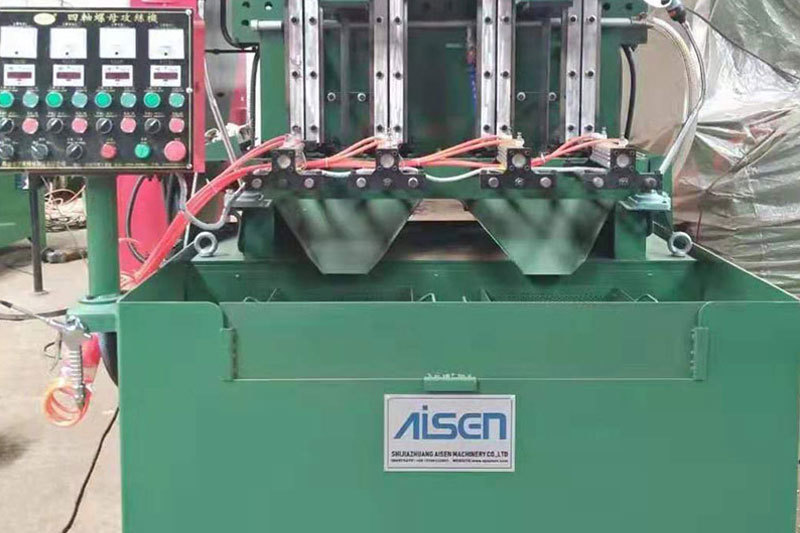
AISEN Four axis nut tapping machine ready for shipment to Russia
Four axis nut tapping machine for DIN934 M8,M10 Standard hex nut is ready for shipping to Russia by land transportation.
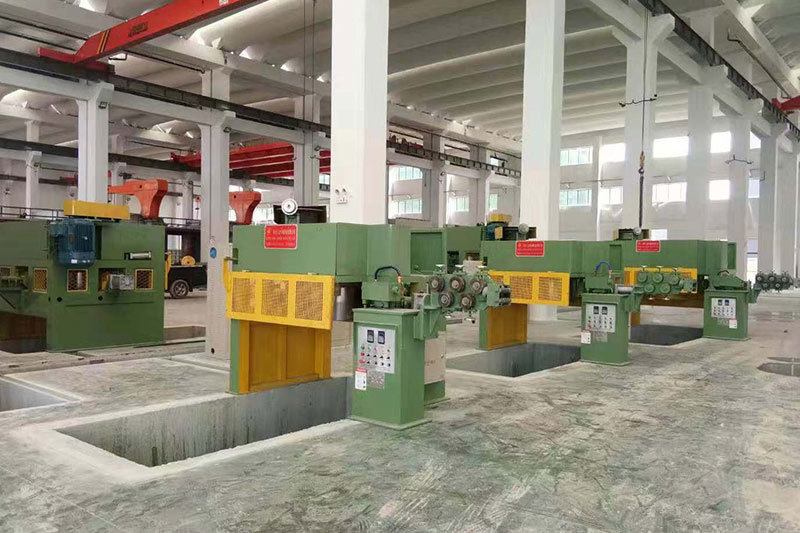
AISEN machinery inverted wire drawing machine
We hope to cooperate with more customers for mutual development and benefits. You are welcome to contact us
MESSAGES
We will contact you within one working day. Please pay attention to your email.
Qucik Link
Contact
Phone: +86-15100123091
E-mail: info@sjzaisen.com
Address: No.41 Zhaiying South Street, Yuhua District, Shijiazhuang City, Hebei Province China