

Maximizing Efficiency with Double Head Chamfering Machines
Dec 22,2025


Summary:
Double head chamfering machines play a crucial role in modern manufacturing, particularly in the realm of electric tools and metal processing. These machines are specifically designed to create precise angled edges on metal components, which is essential for various applications, including welding preparation, aesthetic improvements, and reducing sharp edges that could pose safety hazards. By inco
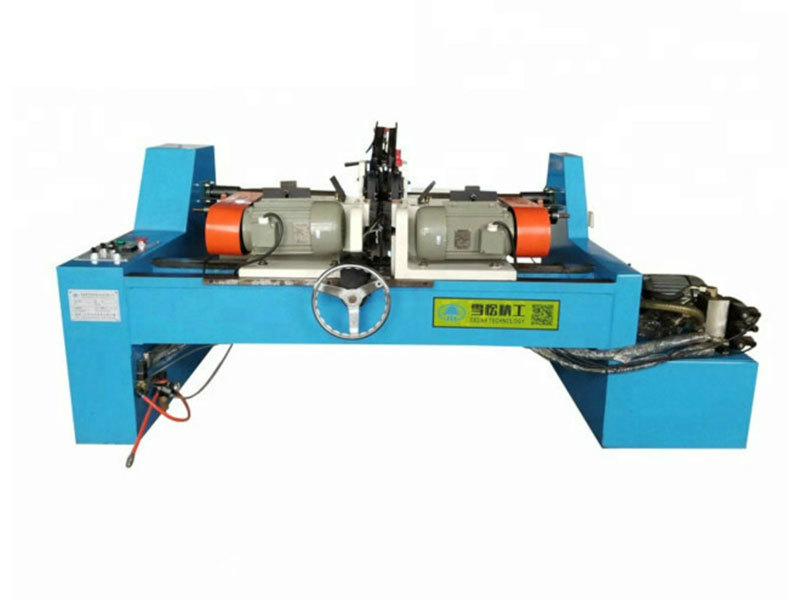
Double head chamfering machines play a crucial role in modern manufacturing, particularly in the realm of electric tools and metal processing. These machines are specifically designed to create precise angled edges on metal components, which is essential for various applications, including welding preparation, aesthetic improvements, and reducing sharp edges that could pose safety hazards. By incorporating dual heads into the design, these machines significantly improve efficiency and output, making them a valuable asset in high-volume production environments.
One of the key advantages of double head chamfering machines is their ability to simultaneously process two edges of a workpiece. This dual-operation capability not only speeds up the chamfering process but also ensures consistent quality across all edges. As a result, manufacturers can achieve higher throughput without sacrificing precision. With the growing demand for high-quality finished products, the importance of such machines cannot be overstated.
In addition to their efficiency, double head chamfering machines are designed with versatility in mind. They can handle various materials, including steel, aluminum, and other alloys, making them suitable for a wide array of applications in industries such as automotive, aerospace, and construction. Moreover, many modern chamfering machines come equipped with adjustable settings, allowing operators to change the chamfer angle and depth easily. This adaptability is crucial for businesses that need to meet diverse customer requirements without investing in multiple machines.
Accuracy is another critical factor in the performance of chamfering machines. Double head models are engineered to provide precise and repeatable results, which minimizes waste and reduces rework. This level of accuracy is essential for maintaining tight tolerances in manufacturing processes. Additionally, some machines integrate advanced features such as CNC controls and automated feeding systems, further enhancing their precision and ease of use.
Maintenance considerations also play a significant role in the operational efficiency of double head chamfering machines. Regular maintenance routines are crucial to ensure that the machinery operates smoothly and reliably. Operators should be aware of the importance of keeping blades sharp and the machine clean to prevent downtime and maintain optimal performance. This proactive approach to maintenance not only extends the lifespan of the equipment but also contributes to consistent output quality.
In summary, double head chamfering machines are an indispensable tool in the manufacturing sector, offering enhanced efficiency, versatility, and precision. Their ability to process two edges simultaneously makes them particularly effective in high-volume settings, while their adaptable features cater to various material requirements. By investing in this technology, manufacturers can improve their production capabilities and deliver quality products that meet the evolving demands of the market.
One of the key advantages of double head chamfering machines is their ability to simultaneously process two edges of a workpiece. This dual-operation capability not only speeds up the chamfering process but also ensures consistent quality across all edges. As a result, manufacturers can achieve higher throughput without sacrificing precision. With the growing demand for high-quality finished products, the importance of such machines cannot be overstated.
In addition to their efficiency, double head chamfering machines are designed with versatility in mind. They can handle various materials, including steel, aluminum, and other alloys, making them suitable for a wide array of applications in industries such as automotive, aerospace, and construction. Moreover, many modern chamfering machines come equipped with adjustable settings, allowing operators to change the chamfer angle and depth easily. This adaptability is crucial for businesses that need to meet diverse customer requirements without investing in multiple machines.
Accuracy is another critical factor in the performance of chamfering machines. Double head models are engineered to provide precise and repeatable results, which minimizes waste and reduces rework. This level of accuracy is essential for maintaining tight tolerances in manufacturing processes. Additionally, some machines integrate advanced features such as CNC controls and automated feeding systems, further enhancing their precision and ease of use.
Maintenance considerations also play a significant role in the operational efficiency of double head chamfering machines. Regular maintenance routines are crucial to ensure that the machinery operates smoothly and reliably. Operators should be aware of the importance of keeping blades sharp and the machine clean to prevent downtime and maintain optimal performance. This proactive approach to maintenance not only extends the lifespan of the equipment but also contributes to consistent output quality.
In summary, double head chamfering machines are an indispensable tool in the manufacturing sector, offering enhanced efficiency, versatility, and precision. Their ability to process two edges simultaneously makes them particularly effective in high-volume settings, while their adaptable features cater to various material requirements. By investing in this technology, manufacturers can improve their production capabilities and deliver quality products that meet the evolving demands of the market.
PREVIOUS:
Latest News
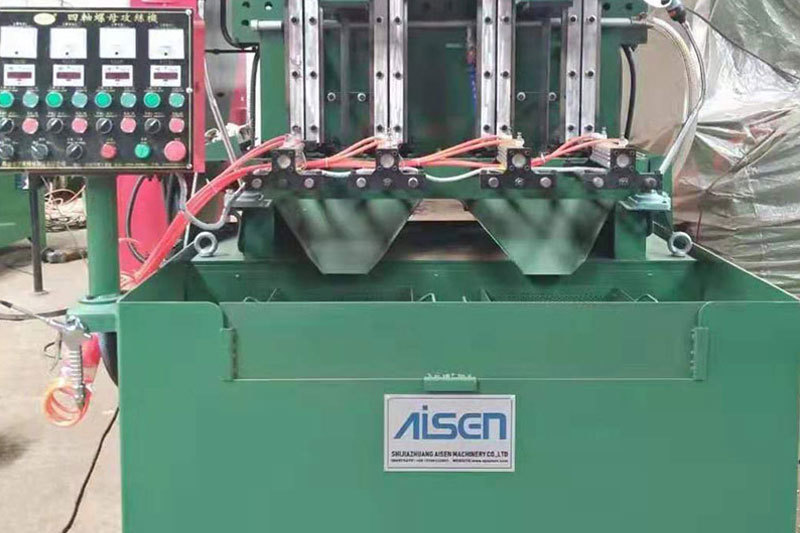
AISEN Four axis nut tapping machine ready for shipment to Russia
Four axis nut tapping machine for DIN934 M8,M10 Standard hex nut is ready for shipping to Russia by land transportation.
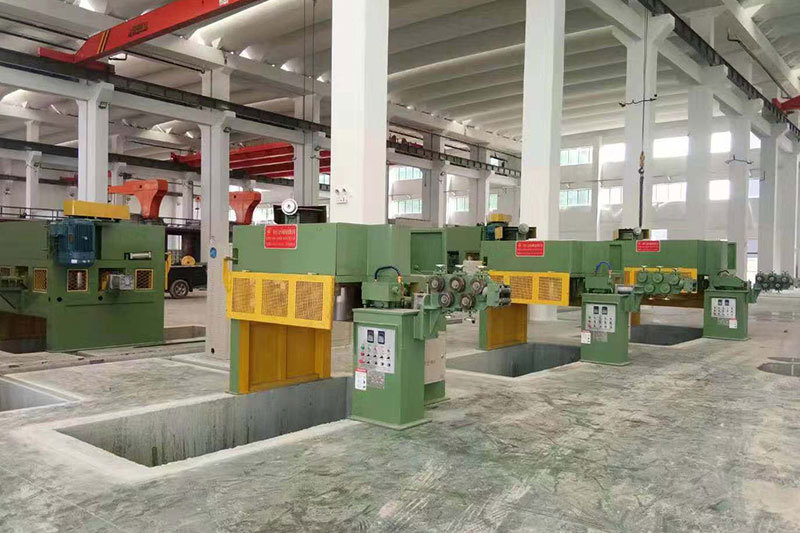
AISEN machinery inverted wire drawing machine
We hope to cooperate with more customers for mutual development and benefits. You are welcome to contact us
MESSAGES
We will contact you within one working day. Please pay attention to your email.
Qucik Link
Contact
Phone: +86-15100123091
E-mail: info@sjzaisen.com
Address: No.98 Huanghe Road, High-tech Zone, Shijiazhuang City, China