

Exploring the Versatile Applications of Chamfering Machines Across Diverse Industries
Dec 20,2025


Author:
Summary:
Introduction to Chamfering Machines
Chamfering machines play a crucial role in the manufacturing landscape, serving as specialized tools designed to create beveled edges on workpieces. These machines are essential in various industries, including automotive, aerospace, electronics, and construction, where precision and quality are paramount. By utilizing electric chamfering machines, manufacturers
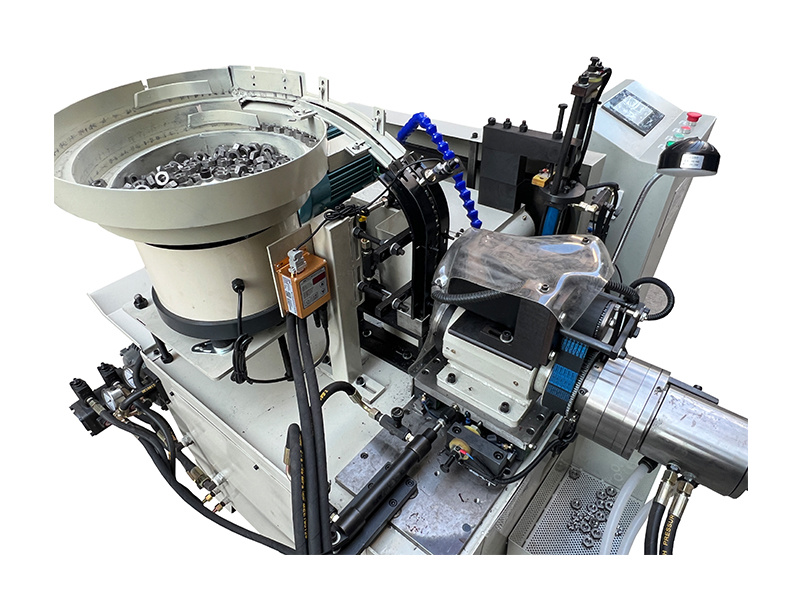
Introduction to Chamfering Machines
Chamfering machines play a crucial role in the manufacturing landscape, serving as specialized tools designed to create beveled edges on workpieces. These machines are essential in various industries, including automotive, aerospace, electronics, and construction, where precision and quality are paramount. By utilizing electric chamfering machines, manufacturers can significantly enhance their production processes, ensuring that components meet stringent quality standards.
Understanding Chamfering: What It Is and Why It Matters
Chamfering refers to the process of cutting a bevel on the edge or corner of a workpiece. This technique is critical for several reasons:
- **Safety**: Chamfered edges reduce the risk of injury by eliminating sharp corners.
- **Assembly**: Beveled edges facilitate easier assembly of components, especially in tight spaces.
- **Aesthetic Appeal**: Chamfering enhances the visual appeal of products, making them more marketable.
- **Durability**: By preventing chipping or damage to edges, chamfering improves the longevity of parts.
Understanding the importance of chamfering is essential for manufacturers looking to optimize their production lines.
The Mechanics of Chamfering Machines
Chamfering machines operate using various mechanisms, including rotary tools, CNC (Computer Numerical Control) systems, and manual setups. These machines can efficiently produce consistent chamfers across multiple pieces quickly. Key features include:
- **Adjustable Settings**: Operators can fine-tune settings for different materials and thicknesses.
- **Multiple Tool Options**: Various tools can be employed to achieve different bevel angles and finishes.
- **Ease of Use**: User-friendly interfaces ensure that operators can quickly learn to use the machines effectively.
Understanding these features helps in selecting the right chamfering machine for specific applications.
Common Applications of Chamfering Machines
Chamfering machines are prominently utilized across various industries. Below, we delve into their applications in several sectors:
1. Automotive Industry
In the automotive sector, chamfering machines are vital for producing parts such as engine components, gear housings, and transmission cases. The precise beveling of edges ensures proper fitment and enhances the overall performance of automotive assemblies. Additionally, chamfering helps to manage stress concentrations in critical components, thereby improving their durability.
2. Aerospace Industry
Aerospace manufacturing demands the highest standards of precision and safety. Chamfering machines contribute significantly to the production of aircraft components, where weight reduction and structural integrity are paramount. By beveling edges on materials like aluminum and titanium, manufacturers can achieve lightweight designs without compromising strength.
3. Electronics Manufacturing
In electronics, where components must fit seamlessly within tight spaces, chamfering machines are crucial. They facilitate the production of circuit boards and housing units by creating precise edges that aid in assembly. Chamfered edges help reduce the risk of damage during installation and improve the overall functionality of electronic devices.
4. Construction Industry
The construction sector benefits from chamfering machines by ensuring that materials such as steel beams and concrete blocks have safe, beveled edges. This practice enhances the structural integrity of buildings and reduces the risk of injury on job sites. Beveled edges also improve the aesthetic finish of construction materials.
5. Metal Fabrication
Metal fabrication shops rely heavily on chamfering machines for processing various metal parts. From fabricating frames to producing intricate designs, chamfering ensures that all edges are smooth and ready for further processing, such as welding or painting. This step is crucial in maintaining high-quality standards in metalwork.
6. Woodworking Industry
Chamfering machines are not limited to metal and plastic. In woodworking, beveled edges provide a polished look to furniture and cabinetry. The application of chamfering not only enhances aesthetics but also helps in the fitting of joints, making assembly smoother and more efficient.
Benefits of Using Chamfering Machines
The advantages of integrating chamfering machines into production processes are numerous:
1. Increased Production Efficiency
Chamfering machines significantly reduce the time required for manual beveling processes. This efficiency translates into faster turnaround times and higher output, allowing manufacturers to meet market demands more effectively.
2. Enhanced Precision and Consistency
Automation in chamfering ensures that every piece is produced to the same specifications. This consistency is crucial for quality control, minimizing defects, and ensuring that components fit together perfectly.
3. Cost-Effectiveness
While the initial investment in chamfering machines may be substantial, the long-term savings in labor costs and material waste make them a financially sound choice. By reducing the need for manual labor and minimizing errors, companies can achieve better profit margins.
4. Versatile Applications
Chamfering machines can be adapted for various materials and beveled edge requirements. This versatility makes them an invaluable asset in diverse manufacturing sectors, allowing companies to pivot quickly to meet changing demands.
Choosing the Right Chamfering Machine
Selecting the appropriate chamfering machine requires careful consideration of various factors:
1. Material Compatibility
Different machines are suited for different materials. It's essential to choose a chamfering machine that can handle the specific materials used in your production process, whether it's metal, plastic, or wood.
2. Required Bevel Angles
Different applications may require specific bevel angles. Ensure that the machine can accommodate the angles needed for your products.
3. Production Volume
For high-volume production, investing in an automated chamfering machine may be beneficial. Conversely, for lower volume or custom jobs, a manual or semi-automatic machine may suffice.
4. Budget Considerations
Establish a budget that includes not just the purchase price but also maintenance and operational costs. Ensure that the machine you choose aligns with your financial projections.
Maintenance Tips for Chamfering Machines
To ensure that chamfering machines operate efficiently and last longer, regular maintenance is crucial. Here are some best practices:
1. Routine Cleaning
Regularly clean the machine to remove metal shavings and dust that can interfere with operations. Keeping the machine clean contributes to its longevity and performance.
2. Lubrication
Adhere to the manufacturer's guidelines for lubrication. Proper lubrication minimizes friction, reducing wear and tear on moving parts.
3. Inspection and Calibration
Frequently inspect the machine for signs of wear, misalignment, or damage. Regular calibration ensures that the machine continues to produce precise chamfers.
4. Operator Training
Invest in training for operators to ensure they understand how to use the machine properly and recognize potential issues early on.
Future Trends in Chamfering Technology
As technology advances, chamfering machines are expected to evolve. Some potential future trends include:
1. Increased Automation
The integration of AI and robotics into chamfering processes may lead to even more efficient and precise manufacturing.
2. Enhanced Software Interfaces
Improved software for CNC chamfering machines will likely offer greater flexibility and ease of use, allowing operators to program complex jobs with minimal effort.
3. Eco-Friendly Options
As industries strive for sustainability, the development of eco-friendly chamfering machines that consume less energy and generate less waste is on the horizon.
Frequently Asked Questions (FAQs)
1. What types of materials can chamfering machines handle?
Chamfering machines can work with a variety of materials, including metals, plastics, and wood. The choice of machine often depends on the specific material being processed.
2. How does chamfering improve safety in manufacturing?
Chamfering eliminates sharp edges, reducing the risk of cuts and injuries during handling, assembly, and installation.
3. Can chamfering machines be used in small-scale operations?
Absolutely! There are chamfering machines designed for both high-volume industrial applications and smaller-scale operations, ensuring versatility in usage.
4. How often should chamfering machines be maintained?
Regular maintenance should be performed according to the manufacturer's guidelines, typically including daily cleaning and periodic inspections for wear and tear.
5. What is the typical lifespan of a chamfering machine?
The lifespan of a chamfering machine varies based on usage and maintenance, but with proper care, many machines can function effectively for several years.
Conclusion
Chamfering machines are indispensable tools in the modern manufacturing landscape, offering a wide array of applications across various industries. From automotive to aerospace, and woodworking to metal fabrication, these machines enhance production efficiency, safety, and product quality. By understanding the benefits and selecting the right machine, manufacturers can optimize their production processes and stay competitive in a rapidly evolving market. As technology continues to advance, the future of chamfering will likely bring even greater innovations, further solidifying the role of chamfering machines in industrial manufacturing.
Get A Quote
We will contact you within one working day. Please pay attention to your email.
Latest News
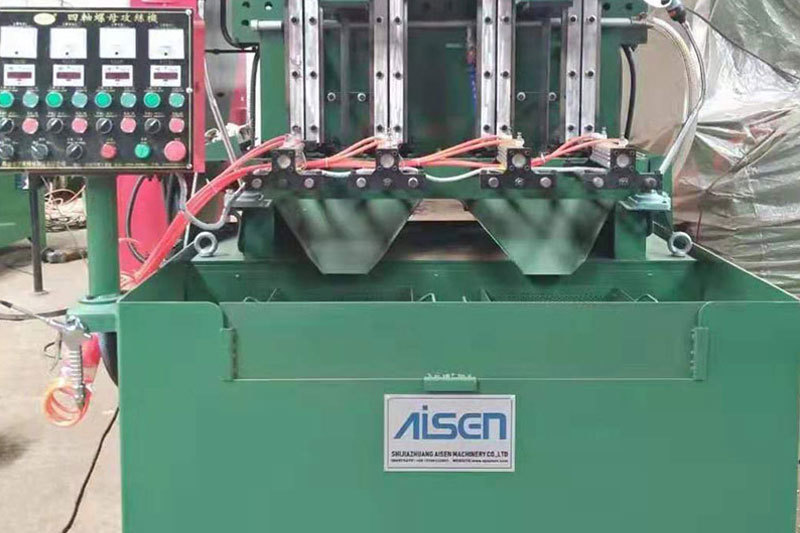
AISEN Four axis nut tapping machine ready for shipment to Russia
Four axis nut tapping machine for DIN934 M8,M10 Standard hex nut is ready for shipping to Russia by land transportation.
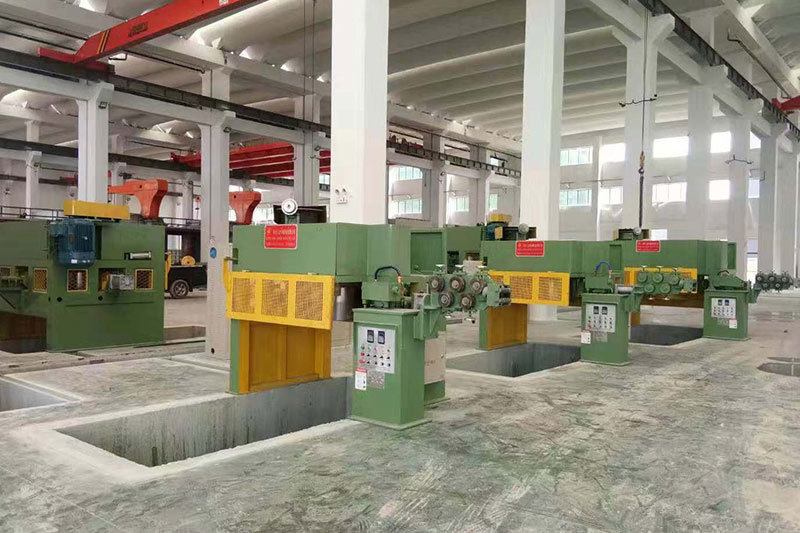
AISEN machinery inverted wire drawing machine
We hope to cooperate with more customers for mutual development and benefits. You are welcome to contact us
MESSAGES
We will contact you within one working day. Please pay attention to your email.
Qucik Link
Contact
Phone: +86-15100123091
E-mail: info@sjzaisen.com
Address: No.41 Zhaiying South Street, Yuhua District, Shijiazhuang City, Hebei Province China