

Enhancing Precision in Metal Drawing with Inverted Wire Drawing Machines
Dec 24,2025


Author:
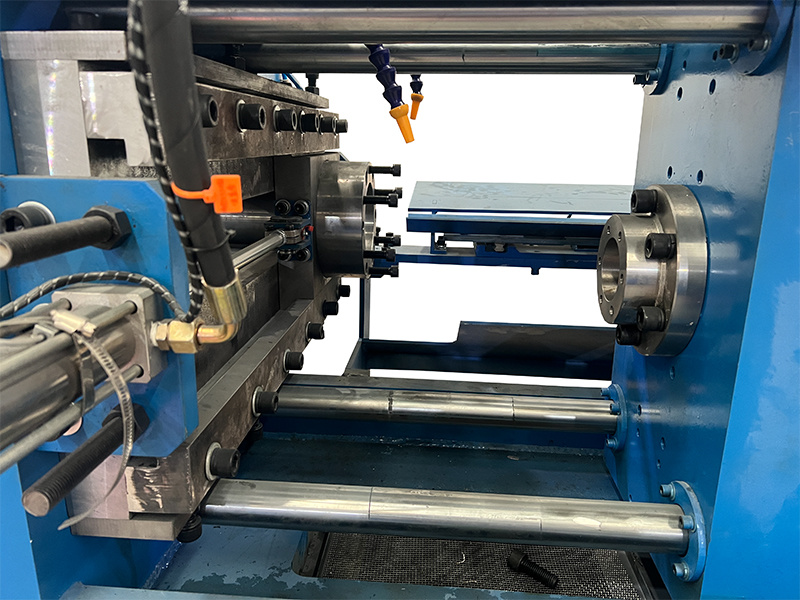
Enhancing Precision in Metal Drawing with Inverted Wire Drawing Machines
In the ever-evolving world of manufacturing, precision is paramount, especially in metal drawing processes. As industries strive for higher quality and efficiency, the adoption of advanced machinery becomes essential. Among the cutting-edge technologies making a significant impact is the inverted wire drawing machine. This article delves into how inverted wire drawing machines enhance precision in metal drawing, the technology behind them, their benefits, and their applications in various sectors.
Table of Contents
- Understanding Metal Drawing Techniques
- What Are Inverted Wire Drawing Machines?
- The Technology Behind Inverted Wire Drawing
- Advantages of Inverted Wire Drawing Machines
- Achieving Precision in Metal Drawing
- Applications of Inverted Wire Drawing Machines
- Maintenance and Optimization of Inverted Wire Drawing Machines
- The Future of Metal Drawing Technology
- FAQs about Inverted Wire Drawing Machines
Understanding Metal Drawing Techniques
Metal drawing refers to a manufacturing process that involves pulling metal through a die to reduce its diameter and increase its length. This technique is crucial in producing wires, rods, and tubes used across various industries, including construction, automotive, and electronics. The precision of this process directly influences the quality of the final product, where even minor discrepancies can lead to significant issues in performance and durability.
Traditionally, metal drawing has relied on various methods, including conventional wire drawing, where the metal material is drawn through a die using tensile strength. However, the emergence of inverted wire drawing machines marks a significant shift in this methodology, focusing on enhancing precision and efficiency.
What Are Inverted Wire Drawing Machines?
Inverted wire drawing machines are innovative devices designed to draw metal wire in an inverted or vertical orientation. This unique configuration sets them apart from traditional horizontal machines. The process involves a series of drawing dies and rollers that guide the wire as it is pulled through, allowing for precise control over the wire’s diameter and mechanical properties.
These machines utilize advanced technology and automation, enabling them to operate efficiently and produce high-quality wire with minimal defects. The inverted design also helps in managing the tension and stress on the wire, further enhancing the precision of the process.
The Technology Behind Inverted Wire Drawing
The technology employed in inverted wire drawing machines integrates several sophisticated components that work in harmony to achieve precise metal drawing. Key elements of this technology include:
1. Advanced Drive Systems
Modern inverted wire drawing machines are equipped with advanced drive systems that provide consistent and controlled pulling force. This ensures uniform tension throughout the drawing process, reducing the risk of wire breakage and enhancing overall product quality.
2. High-Precision Dies
The drawing dies used in inverted machines are crafted with high precision to ensure that the wire is reduced to exact specifications. These dies are often made from durable materials that withstand wear while maintaining their geometrical accuracy.
3. Automated Control Systems
Automation plays a crucial role in the operation of inverted wire drawing machines. These systems monitor various parameters, such as tension, speed, and temperature, ensuring optimal drawing conditions. This level of control leads to consistent results and minimizes human error.
4. Cooling Systems
Heat generated during the drawing process can affect the mechanical properties of the wire. Inverted wire drawing machines often incorporate advanced cooling systems to dissipate heat, thereby maintaining the integrity and properties of the metal.
Advantages of Inverted Wire Drawing Machines
The adoption of inverted wire drawing machines offers numerous advantages that contribute to enhanced precision and efficiency in metal drawing processes:
1. Improved Precision
Inverted wire drawing machines provide unparalleled precision due to their unique design and advanced technology. This precision translates to high-quality wire products with minimal defects and variations.
2. Enhanced Product Quality
The ability to control various parameters in real-time ensures that the final products meet stringent quality standards. This is particularly important in industries where the quality of wire directly impacts performance.
3. Increased Efficiency
With automated processes and optimized drawing conditions, inverted wire drawing machines operate at higher speeds while maintaining quality. This efficiency reduces production time and costs, providing manufacturers with a competitive edge.
4. Greater Flexibility
These machines are versatile, capable of processing different materials and producing various wire diameters. This flexibility enables manufacturers to adapt to changing market demands without significant reconfiguration.
5. Reduced Material Waste
By achieving higher precision, inverted wire drawing machines minimize material waste, leading to cost savings and a more sustainable production process.
Achieving Precision in Metal Drawing
Achieving precision in metal drawing involves a combination of factors, where inverted wire drawing machines shine. Some of the critical aspects include:
1. Optimal Die Design
The design of the drawing die is paramount in determining the precision of the wire. Inverted machines employ high-precision dies that are tailored to the specific material and desired diameter, ensuring consistent results.
2. Tension Control
Maintaining appropriate tension during the drawing process is crucial. Inverted wire drawing machines utilize advanced tension control systems that adjust in real-time, preventing wire breakage and achieving uniformity.
3. Surface Treatment
Surface quality plays a significant role in the performance of drawn wire. Inverted machines often incorporate surface treatment processes that enhance the finish, contributing to better adhesion and overall performance in applications.
4. Quality Assurance Protocols
Integrating quality assurance protocols throughout the drawing process ensures that any deviations from specifications are promptly addressed. Inverted wire drawing machines are often equipped with monitoring systems that provide immediate feedback on performance.
Applications of Inverted Wire Drawing Machines
Inverted wire drawing machines find applications across various industries due to their ability to produce high-quality wire products. Key applications include:
1. Construction Industry
Wire products used in construction, such as reinforcement bars and wire mesh, require high precision and strength. Inverted wire drawing machines meet these demands effectively.
2. Automotive Industry
Wires used in automotive applications, including safety and electrical systems, must adhere to strict quality standards. The precision of inverted wire drawing machines ensures reliability in these critical components.
3. Electronics Industry
Fine wires used in electronic components benefit from the enhanced precision offered by inverted wire drawing machines, contributing to the performance and longevity of devices.
4. Aerospace Sector
In aerospace applications, where safety and performance are paramount, the ability to produce high-quality, precise wire is essential. Inverted wire drawing machines are integral to this process.
5. Manufacturing of Specialized Wires
Whether producing spring wires, welding wires, or other specialized products, inverted wire drawing machines provide the flexibility and precision needed for diverse manufacturing requirements.
Maintenance and Optimization of Inverted Wire Drawing Machines
To ensure the longevity and efficient operation of inverted wire drawing machines, regular maintenance and optimization are crucial. Key practices include:
1. Routine Inspections
Conducting regular inspections of critical components such as dies, rollers, and drive systems can prevent unexpected breakdowns and ensure consistent performance.
2. Lubrication
Proper lubrication of moving parts minimizes friction and wear, contributing to the smooth operation of the machine. This is vital for maintaining precision and prolonging the lifespan of the equipment.
3. Calibration
Regular calibration of the control systems ensures that the machine operates within specified parameters. This helps in maintaining the precision and quality of the drawn wire.
4. Operator Training
Investing in operator training enhances the understanding of machine functions and maintenance needs, leading to improved efficiency and reduced downtime.
The Future of Metal Drawing Technology
The future of metal drawing technology is poised for exciting advancements. With the growing demand for precision and efficiency, innovations such as artificial intelligence, machine learning, and IoT integration are likely to play significant roles in optimizing processes. These technologies can enhance real-time monitoring, predictive maintenance, and adaptive control systems, pushing the boundaries of what is currently achievable in metal drawing.
FAQs about Inverted Wire Drawing Machines
1. What materials can be processed using inverted wire drawing machines?
Inverted wire drawing machines can process a variety of materials, including steel, aluminum, copper, and other alloys, making them versatile for different applications.
2. How does inverted wire drawing differ from traditional methods?
The primary difference lies in the machine's orientation and design, which allows for better tension control and precision, resulting in higher-quality wire products.
3. What is the typical production speed of inverted wire drawing machines?
Production speed can vary depending on the material and specifications, but modern machines can achieve significant output rates while maintaining quality.
4. Are inverted wire drawing machines suitable for small-scale production?
Yes, inverted wire drawing machines can be configured for various scales of production, making them suitable for both small and large manufacturing operations.
5. What kind of maintenance do inverted wire drawing machines require?
Regular maintenance includes inspections, lubrication, calibration, and operator training to ensure optimal performance and longevity of the machines.
Conclusion
Inverted wire drawing machines represent a significant advancement in the field of metal drawing, enhancing precision, efficiency, and product quality. By leveraging advanced technology and automation, these machines have transformed traditional metal drawing processes, offering manufacturers a competitive edge in an increasingly demanding market. As we look to the future, the integration of emerging technologies will continue to drive innovation in metal drawing, further solidifying the role of inverted wire drawing machines in modern manufacturing.
PREVIOUS:
Get A Quote
We will contact you within one working day. Please pay attention to your email.
Latest News
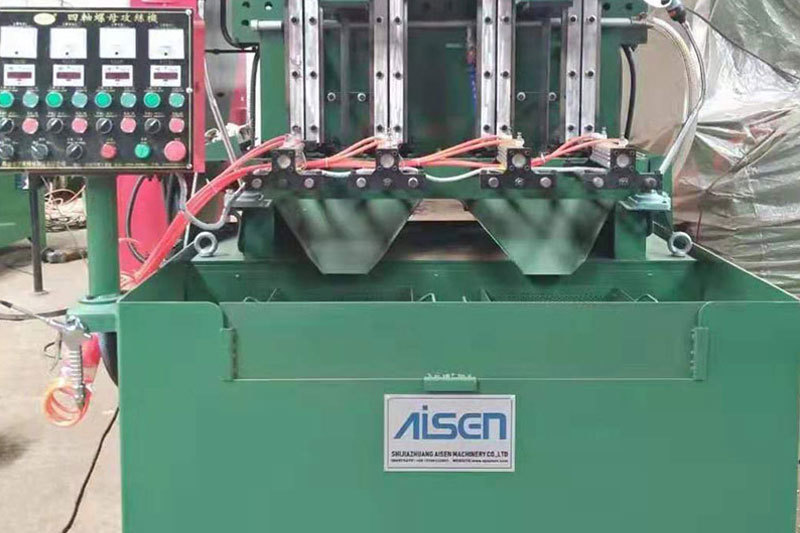
AISEN Four axis nut tapping machine ready for shipment to Russia
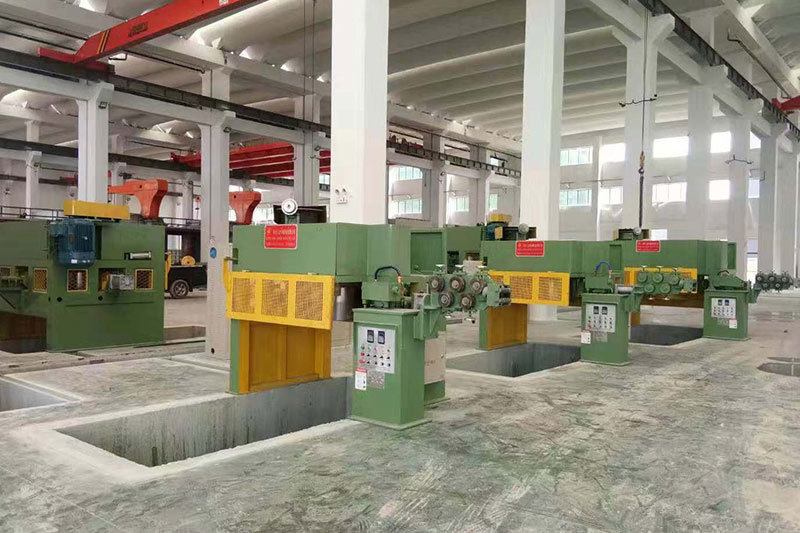
AISEN machinery inverted wire drawing machine
MESSAGES
We will contact you within one working day. Please pay attention to your email.
Qucik Link
Contact
Phone: +86-15100123091
E-mail: info@sjzaisen.com
Address: No.41 Zhaiying South Street, Yuhua District, Shijiazhuang City, Hebei Province China