

The Future of Fastening: Unveiling the Benefits of CNC Thread Rolling Machines
Jan 13,2026


Author:
Summary:
The Future of Fastening: Benefits of Using CNC Thread Rolling Machines
Table of Contents
Introduction to CNC Thread Rolling Machines
What is CNC Thread Rolling?
Advantages of CNC Thread Rolling Machines
Enhanced Precision and Accuracy
Increased Efficiency and Productivity
Material Savings and Sustainability
Cost-Effectiveness of
The Future of Fastening: Benefits of Using CNC Thread Rolling Machines
Table of Contents
- Introduction to CNC Thread Rolling Machines
- What is CNC Thread Rolling?
- Advantages of CNC Thread Rolling Machines
- Enhanced Precision and Accuracy
- Increased Efficiency and Productivity
- Material Savings and Sustainability
- Cost-Effectiveness of CNC Thread Rolling
- Applications of CNC Thread Rolling Machines
- The Future of the Fastening Industry
- Challenges and Considerations
- Frequently Asked Questions
- Conclusion
Introduction to CNC Thread Rolling Machines
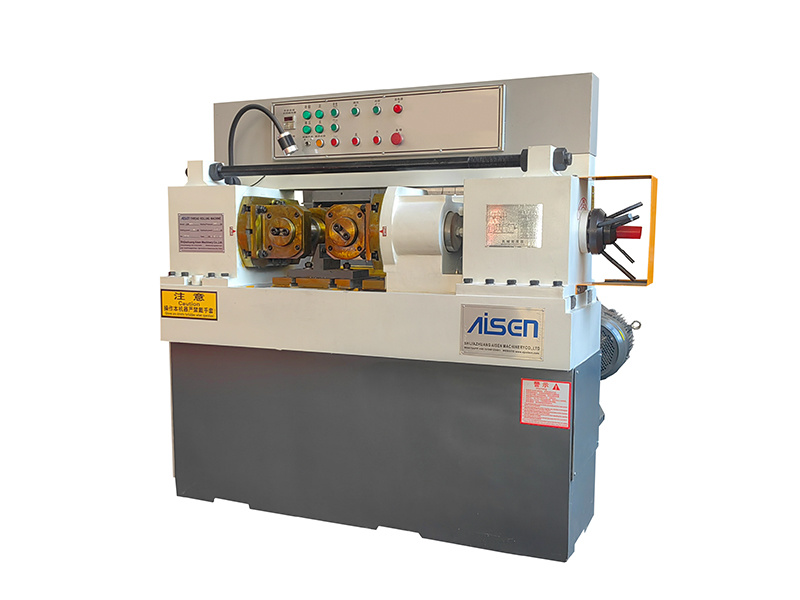
In the realm of manufacturing and fastening technology, **CNC thread rolling machines** have emerged as a game-changer. These machines utilize a unique process that transforms raw materials into perfectly threaded fasteners with incredible efficiency and precision. As industries evolve and demands for high-quality products increase, CNC thread rolling machines are poised to become indispensable tools in manufacturing processes.
What is CNC Thread Rolling?
CNC thread rolling is a **cold-forming process** that creates threads on a workpiece by rolling it between two dies. This method is distinct from traditional machining, which involves cutting away material. Instead, thread rolling compresses the material, resulting in improved grain structure and enhanced strength. The **CNC** (Computer Numerical Control) aspect allows for precise control over the rolling process, ensuring consistent results and high production rates.
CNC thread rolling is particularly advantageous for producing threaded rods, bolts, and screws. The process not only optimizes speed but also provides improved surface finishes, making it a preferred choice in many applications.
Advantages of CNC Thread Rolling Machines
As industries seek to optimize their manufacturing processes, the benefits of utilizing CNC thread rolling machines become increasingly evident. Below, we explore the key advantages these machines offer.
Enhanced Precision and Accuracy
One of the standout features of CNC thread rolling machines is their ability to deliver **exceptional precision**. The computerized control systems ensure that every thread is formed to exact specifications, significantly reducing the margin for error. This level of accuracy is crucial in industries where even the slightest variation can lead to product failure or safety concerns.
Modern CNC technology allows for adjustments and recalibrations to be made quickly, ensuring that production remains uninterrupted while maintaining high standards.
Increased Efficiency and Productivity
CNC thread rolling machines are designed for high-speed operations, enabling manufacturers to produce large quantities of threaded components in a shorter timeframe. This **boost in productivity** is linked to the automated nature of CNC machines, which minimizes manual intervention and potential downtime. As a result, companies can meet demanding production schedules while maintaining consistent quality.
Additionally, the efficiency of the thread rolling process means that less energy is consumed compared to traditional machining methods, contributing to overall operational efficiency.
Material Savings and Sustainability
In an era where sustainability is a top priority, CNC thread rolling machines offer significant **material savings**. The cold-forming process results in minimal waste, as it utilizes the material more effectively than traditional machining, which typically generates more scrap. This not only reduces costs associated with raw materials but also aligns with eco-friendly manufacturing practices.
Moreover, the enhanced strength of rolled threads means that lighter materials can often be used without compromising the integrity of the finished product, further contributing to sustainability.
Cost-Effectiveness of CNC Thread Rolling
The combination of increased efficiency, reduced material waste, and enhanced durability leads to significant **cost savings**. Although the initial investment in CNC thread rolling machines may seem substantial, the long-term benefits far outweigh these costs. Manufacturers can enjoy lower production costs, improved product quality, and reduced lead times, providing a competitive edge in the marketplace.
Furthermore, the longevity and reliability of CNC machines minimize maintenance costs and downtime, ensuring a solid return on investment.
Applications of CNC Thread Rolling Machines
CNC thread rolling machines are versatile tools used across various industries. Some common applications include:
- **Automotive Industry**: Used for producing bolts, nuts, and other fastening components that require high strength and precision.
- **Aerospace Engineering**: Manufacturing critical components that must meet stringent quality standards and undergo rigorous testing.
- **Construction**: Creating strong and reliable fasteners for structural applications, ensuring safety and stability.
- **Electronics**: Producing small screws and fasteners used in various electronic devices, where precision is paramount.
These applications highlight the adaptability of CNC thread rolling machines and their importance in modern manufacturing.
The Future of the Fastening Industry
As we look ahead, the future of the fastening industry appears promising with the continued integration of **CNC technology**. Innovations in machine design, software capabilities, and automation will further enhance performance and efficiency. The demand for customizable and complex fastening solutions will drive the development of advanced CNC thread rolling machines equipped with cutting-edge features.
Moreover, the increasing focus on sustainability will push manufacturers to adopt eco-friendly practices, making CNC thread rolling a preferred method for producing high-quality fasteners with minimal environmental impact.
Challenges and Considerations
While CNC thread rolling machines offer numerous benefits, there are challenges that manufacturers must address. These include:
- **Skill Requirements**: Operating CNC machines requires skilled personnel who can program and maintain the equipment. Investing in training is essential for maximizing the benefits of CNC technology.
- **Initial Investment**: The cost of CNC machinery can be high, which may deter smaller manufacturers from adopting this technology. However, the long-term savings can justify the initial expenditure.
- **Maintenance**: Regular maintenance is crucial to ensure optimal performance and longevity of CNC machines. Establishing a maintenance schedule will help prevent downtime and costly repairs.
By recognizing and addressing these challenges, manufacturers can fully leverage the advantages of CNC thread rolling machines.
Frequently Asked Questions
1. What materials can be used with CNC thread rolling machines?
CNC thread rolling machines can work with a variety of materials, including steel, aluminum, brass, and other metals. The choice of material often depends on the application's requirements.
2. How does CNC thread rolling improve part strength?
The cold-forming process of CNC thread rolling enhances the grain structure of the material, resulting in improved tensile strength compared to machined threads.
3. What are the typical production rates of CNC thread rolling?
Production rates can vary based on the machine and material used, but CNC thread rolling machines can produce thousands of fasteners per hour, significantly increasing overall productivity.
4. Can CNC thread rolling machines be used for small batch production?
Yes, CNC thread rolling machines are versatile and can be programmed for both high-volume production and small batch runs, making them suitable for various manufacturing needs.
5. What advancements can we expect in CNC thread rolling machines?
Future advancements may include improved automation, enhanced software capabilities for programming and monitoring, and integration with Industry 4.0 technologies for smarter manufacturing processes.
Conclusion
In conclusion, **CNC thread rolling machines** represent the future of fastening technology, offering numerous benefits that can enhance manufacturing processes across various industries. With their ability to provide enhanced precision, efficiency, and cost-effectiveness, these machines are set to play a pivotal role in meeting the growing demands of modern manufacturing. As companies continue to embrace innovation and sustainability, CNC thread rolling will undoubtedly remain at the forefront of fastening technology, paving the way for a more efficient and environmentally friendly future in manufacturing.
Get A Quote
We will contact you within one working day. Please pay attention to your email.
Latest News
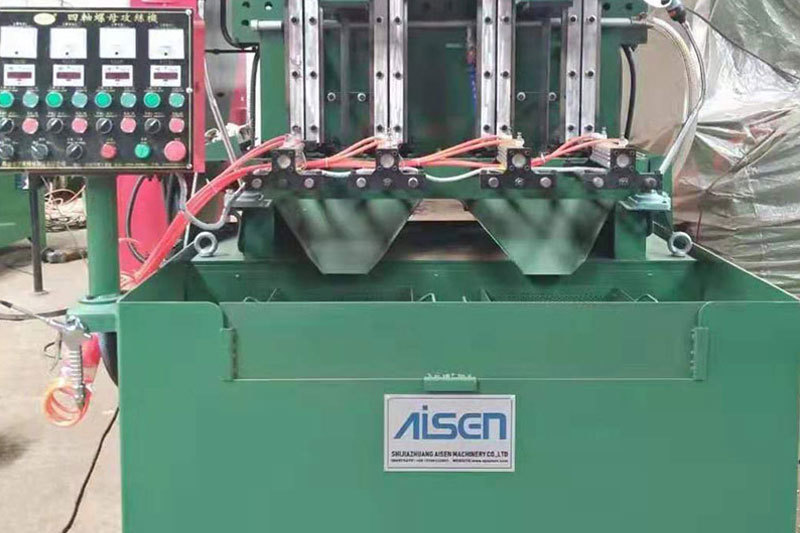
AISEN Four axis nut tapping machine ready for shipment to Russia
Four axis nut tapping machine for DIN934 M8,M10 Standard hex nut is ready for shipping to Russia by land transportation.
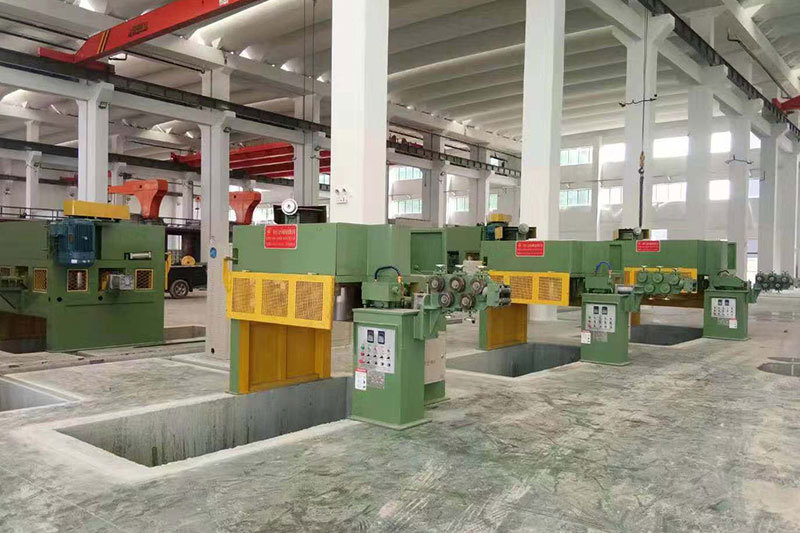
AISEN machinery inverted wire drawing machine
We hope to cooperate with more customers for mutual development and benefits. You are welcome to contact us
MESSAGES
We will contact you within one working day. Please pay attention to your email.
Qucik Link
Contact
Phone: +86-15100123091
E-mail: info@sjzaisen.com
Address: No.41 Zhaiying South Street, Yuhua District, Shijiazhuang City, Hebei Province China