

Understanding Inverted Wire Drawing Machines: Revolutionizing Metal Processing
Mar 24,2026


Summary:
Inverted wire drawing machines play a significant role in the metal processing industry, particularly in the realm of wire production. These specialized machines are designed to draw metal wire from larger stock materials, transforming them into finer gauges with precise dimensions and mechanical properties. The process of wire drawing involves pulling the metal through a series of dies, reducing
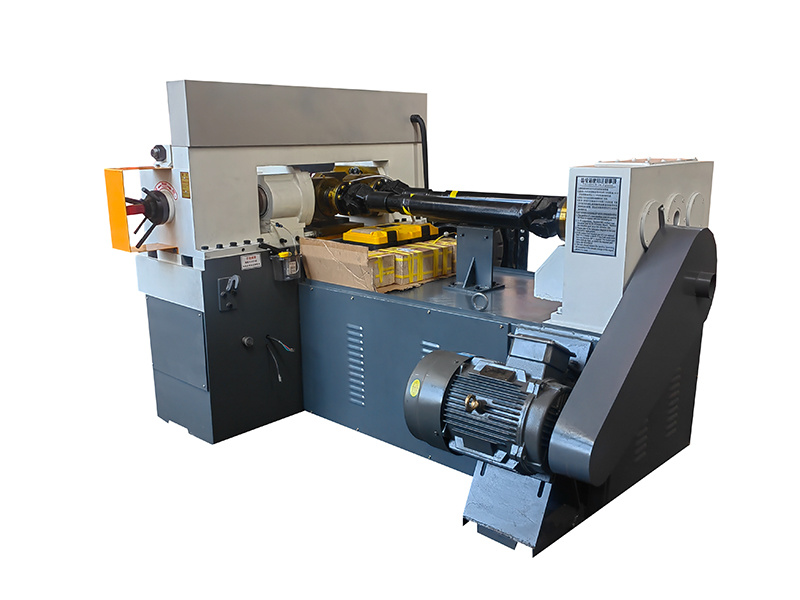
Inverted wire drawing machines play a significant role in the metal processing industry, particularly in the realm of wire production. These specialized machines are designed to draw metal wire from larger stock materials, transforming them into finer gauges with precise dimensions and mechanical properties. The process of wire drawing involves pulling the metal through a series of dies, reducing its diameter while simultaneously increasing its length. The "inverted" aspect of these machines refers to the unique design and operational mechanics that enhance efficiency and effectiveness.
One of the primary advantages of inverted wire drawing machines is their ability to maintain consistent tension throughout the drawing process. This is crucial for ensuring uniformity in wire diameter and tensile strength, which are vital for various applications, including construction, automotive, and electrical sectors. The design of these machines allows for better control over the wire's properties, helping manufacturers achieve higher quality products.
The operational mechanics of an inverted wire drawing machine typically involve a series of rollers and guides that facilitate the feeding and drawing of wire. The inverted design means that the wire is drawn upwards through the die, allowing for a gravity-assisted process that can enhance production speeds and reduce wear on the machinery. This efficiency can lead to significant cost savings in terms of energy consumption and wear and tear, making it an attractive option for manufacturers.
Additionally, inverted wire drawing machines can be equipped with advanced automation features. These features can include programmable logic controllers (PLCs) that allow for real-time monitoring and adjustments during the drawing process. Such automation not only increases precision but also reduces the likelihood of human error, thereby improving overall production reliability.
Moreover, the applications of inverted wire drawing machines extend beyond producing simple metal wires. These machines can be employed in creating specialized wires for different purposes, such as high-strength cables for construction or fine wires for electronic components. This versatility makes them invaluable in a range of industries, thereby expanding business opportunities for manufacturers.
In conclusion, inverted wire drawing machines are essential tools in the manufacturing and processing of metal wires. Their innovative design and operational benefits make them a preferred choice for many metalworking applications. As technology advances, these machines continue to evolve, reflecting the ongoing demands for efficiency, precision, and quality in metal processing. Understanding their capabilities and advantages can empower professionals in the industry to enhance their production processes and product offerings.
One of the primary advantages of inverted wire drawing machines is their ability to maintain consistent tension throughout the drawing process. This is crucial for ensuring uniformity in wire diameter and tensile strength, which are vital for various applications, including construction, automotive, and electrical sectors. The design of these machines allows for better control over the wire's properties, helping manufacturers achieve higher quality products.
The operational mechanics of an inverted wire drawing machine typically involve a series of rollers and guides that facilitate the feeding and drawing of wire. The inverted design means that the wire is drawn upwards through the die, allowing for a gravity-assisted process that can enhance production speeds and reduce wear on the machinery. This efficiency can lead to significant cost savings in terms of energy consumption and wear and tear, making it an attractive option for manufacturers.
Additionally, inverted wire drawing machines can be equipped with advanced automation features. These features can include programmable logic controllers (PLCs) that allow for real-time monitoring and adjustments during the drawing process. Such automation not only increases precision but also reduces the likelihood of human error, thereby improving overall production reliability.
Moreover, the applications of inverted wire drawing machines extend beyond producing simple metal wires. These machines can be employed in creating specialized wires for different purposes, such as high-strength cables for construction or fine wires for electronic components. This versatility makes them invaluable in a range of industries, thereby expanding business opportunities for manufacturers.
In conclusion, inverted wire drawing machines are essential tools in the manufacturing and processing of metal wires. Their innovative design and operational benefits make them a preferred choice for many metalworking applications. As technology advances, these machines continue to evolve, reflecting the ongoing demands for efficiency, precision, and quality in metal processing. Understanding their capabilities and advantages can empower professionals in the industry to enhance their production processes and product offerings.
PREVIOUS:
Latest News
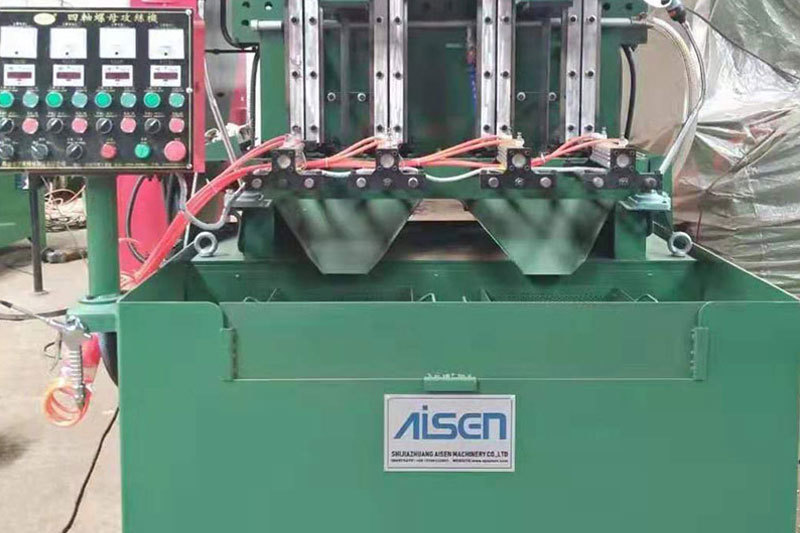
AISEN Four axis nut tapping machine ready for shipment to Russia
Four axis nut tapping machine for DIN934 M8,M10 Standard hex nut is ready for shipping to Russia by land transportation.
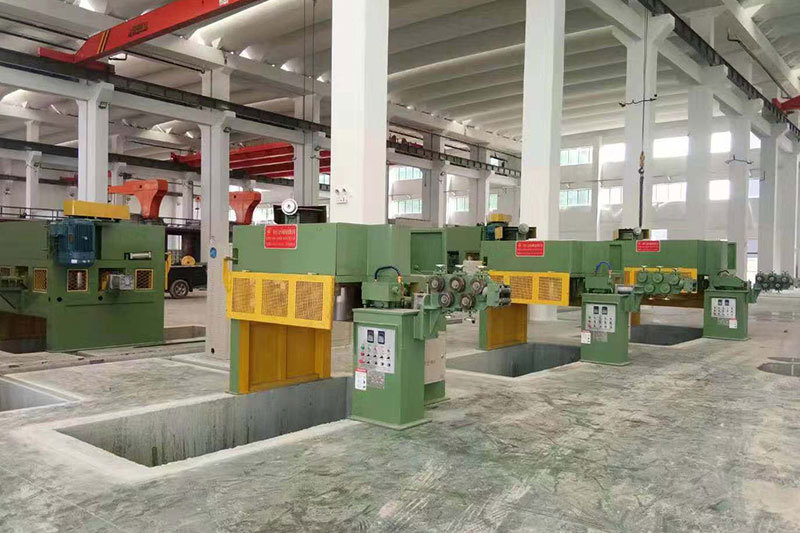
AISEN machinery inverted wire drawing machine
We hope to cooperate with more customers for mutual development and benefits. You are welcome to contact us
MESSAGES
We will contact you within one working day. Please pay attention to your email.
Qucik Link
Contact
Phone: +86-15100123091
E-mail: info@sjzaisen.com
Address: No.98 Huanghe Road, High-tech Zone, Shijiazhuang City, China