

Understanding Inverted Wire Drawing Machines: A Comprehensive Overview
Apr 09,2026


Author:
Summary:
Inverted wire drawing machines are essential tools in the metal processing industry, specifically designed for the efficient drawing of wire. Unlike traditional wire drawing machines that pull the wire through a die in a linear fashion, inverted wire drawing machines utilize a unique approach that optimizes the drawing process. This machine type is particularly effective in producing fine wire pro
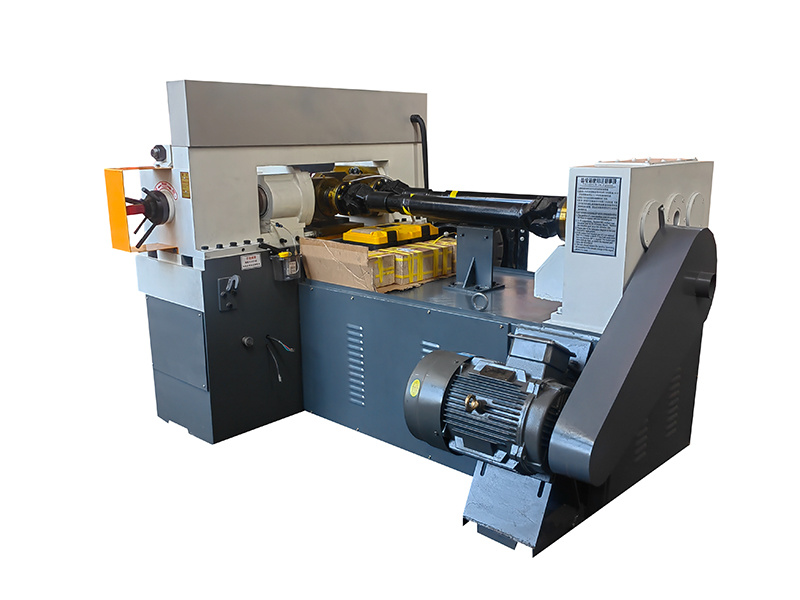
Inverted wire drawing machines are essential tools in the metal processing industry, specifically designed for the efficient drawing of wire. Unlike traditional wire drawing machines that pull the wire through a die in a linear fashion, inverted wire drawing machines utilize a unique approach that optimizes the drawing process. This machine type is particularly effective in producing fine wire products, making it a popular choice among manufacturers dealing with metal wire fabrication.
The primary function of an inverted wire drawing machine is to reduce the diameter of wire rods by pulling them through a series of dies. This process not only enhances the wire's tensile strength but also improves its surface finish and dimensional accuracy. One key advantage of inverted wire drawing machines is their ability to operate at higher speeds compared to conventional machines, which can significantly increase production efficiency. This speed is achieved due to the machine's design, which allows for smoother transitions and reduced friction during the drawing process.
Inverted wire drawing machines are employed in a variety of applications within the metal processing sector. They are commonly used to produce wires utilized in construction, automotive, and electrical industries. For instance, the fine wires produced by these machines are often used in the manufacturing of springs, cables, and other components that require high tensile strength and durability. Additionally, the adaptability of these machines allows manufacturers to adjust the drawing parameters, thus catering to different wire specifications and materials.
Another notable feature of inverted wire drawing machines is their ability to minimize waste during production. Because the drawing process is more controlled and efficient, there is less scrap material generated compared to other traditional methods. This not only contributes to cost savings but also supports sustainability efforts within the manufacturing process.
In conclusion, inverted wire drawing machines play a crucial role in the metal processing industry by providing a more efficient and effective method for wire production. Their ability to produce high-quality wire while minimizing waste and maximizing production speed makes them an invaluable asset for manufacturers. For professionals in the field, understanding the capabilities and features of inverted wire drawing machines can lead to improved operational efficiency and product quality. As the industry continues to evolve, staying informed about advancements in wire drawing technologies will be essential for maintaining a competitive edge.
The primary function of an inverted wire drawing machine is to reduce the diameter of wire rods by pulling them through a series of dies. This process not only enhances the wire's tensile strength but also improves its surface finish and dimensional accuracy. One key advantage of inverted wire drawing machines is their ability to operate at higher speeds compared to conventional machines, which can significantly increase production efficiency. This speed is achieved due to the machine's design, which allows for smoother transitions and reduced friction during the drawing process.
Inverted wire drawing machines are employed in a variety of applications within the metal processing sector. They are commonly used to produce wires utilized in construction, automotive, and electrical industries. For instance, the fine wires produced by these machines are often used in the manufacturing of springs, cables, and other components that require high tensile strength and durability. Additionally, the adaptability of these machines allows manufacturers to adjust the drawing parameters, thus catering to different wire specifications and materials.
Another notable feature of inverted wire drawing machines is their ability to minimize waste during production. Because the drawing process is more controlled and efficient, there is less scrap material generated compared to other traditional methods. This not only contributes to cost savings but also supports sustainability efforts within the manufacturing process.
In conclusion, inverted wire drawing machines play a crucial role in the metal processing industry by providing a more efficient and effective method for wire production. Their ability to produce high-quality wire while minimizing waste and maximizing production speed makes them an invaluable asset for manufacturers. For professionals in the field, understanding the capabilities and features of inverted wire drawing machines can lead to improved operational efficiency and product quality. As the industry continues to evolve, staying informed about advancements in wire drawing technologies will be essential for maintaining a competitive edge.
Get A Quote
We will contact you within one working day. Please pay attention to your email.
Latest News
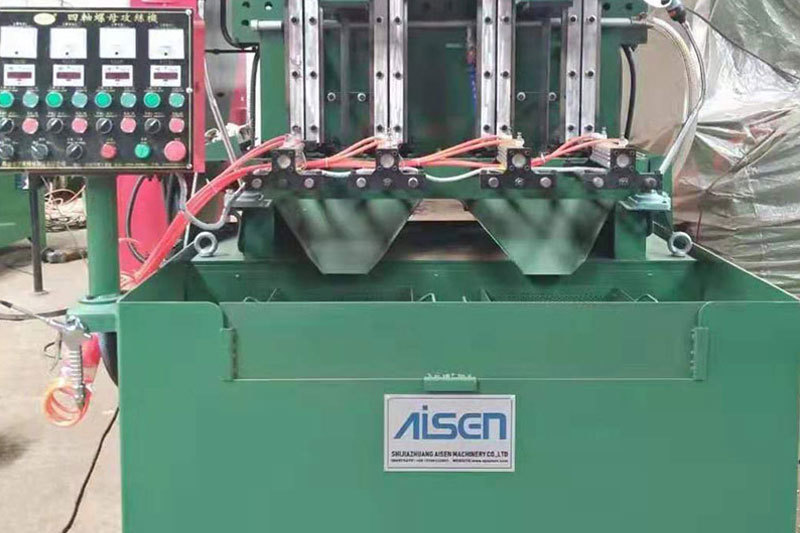
AISEN Four axis nut tapping machine ready for shipment to Russia
Four axis nut tapping machine for DIN934 M8,M10 Standard hex nut is ready for shipping to Russia by land transportation.
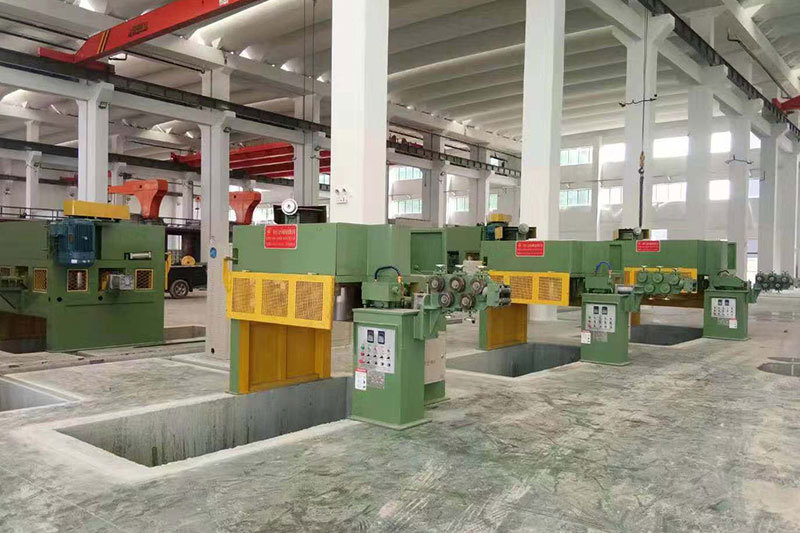
AISEN machinery inverted wire drawing machine
We hope to cooperate with more customers for mutual development and benefits. You are welcome to contact us
MESSAGES
We will contact you within one working day. Please pay attention to your email.
Qucik Link
Contact
Phone: +86-15100123091
E-mail: info@sjzaisen.com
Address: No.41 Zhaiying South Street, Yuhua District, Shijiazhuang City, Hebei Province China