

A Comprehensive Guide to Automatic U Bolt Bending Machine Maintenance
Apr 11,2026


Author:
Summary:
A Comprehensive Guide to Automatic U Bolt Bending Machine Maintenance
Table of Contents
1. Introduction to Automatic U Bolt Bending Machines
2. Importance of Regular Maintenance
3. Developing a Maintenance Schedule
4. Daily Maintenance Tasks for Optimal Performance
5. Weekly and Monthly Maintenance Procedures
6. Troubleshooting Common Issues
7. Identifying When to Replace Parts
8.
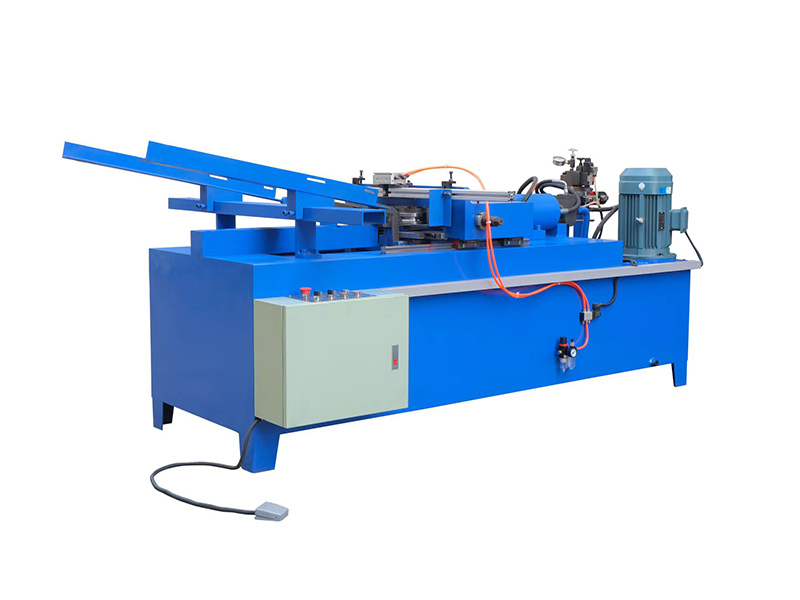
A Comprehensive Guide to Automatic U Bolt Bending Machine Maintenance
Table of Contents
- 1. Introduction to Automatic U Bolt Bending Machines
- 2. Importance of Regular Maintenance
- 3. Developing a Maintenance Schedule
- 4. Daily Maintenance Tasks for Optimal Performance
- 5. Weekly and Monthly Maintenance Procedures
- 6. Troubleshooting Common Issues
- 7. Identifying When to Replace Parts
- 8. Safety Considerations During Maintenance
- 9. Conclusion
- 10. Frequently Asked Questions
1. Introduction to Automatic U Bolt Bending Machines
Automatic U bolt bending machines are essential tools in various manufacturing sectors, specifically for producing U-shaped bolts used in construction and automotive applications. These machines facilitate precision bending, which is crucial for achieving the desired specifications and tolerances. Understanding how to maintain these machines effectively is vital for ensuring consistent performance and prolonging equipment life.
2. Importance of Regular Maintenance
Regular maintenance of automatic U bolt bending machines is critical for several reasons:
- **Enhanced Efficiency**: Well-maintained machines operate more efficiently, reducing wastage and increasing productivity.
- **Cost Savings**: Preventive maintenance can prevent costly breakdowns and repairs, saving money in the long run.
- **Safety**: Regular inspections and maintenance ensure that machines operate safely, reducing the risk of accidents.
- **Quality Control**: Consistent maintenance helps maintain the quality of the U bolts produced, ensuring they meet industry standards.
3. Developing a Maintenance Schedule
Creating a structured maintenance schedule is fundamental to effective machine upkeep. Here’s how to develop one:
1. **Assess Manufacturer Guidelines**: Always refer to the manufacturer's manual for specific maintenance recommendations.
2. **Frequency of Use**: Adjust the maintenance frequency based on how often the machine is used. High-use machines will require more frequent checks.
3. **Document Everything**: Keep a detailed log of maintenance activities, noting any repairs or parts replacements. This will help identify patterns over time.
4. Daily Maintenance Tasks for Optimal Performance
Daily maintenance is essential for keeping the U bolt bending machine in prime condition. Here are the key tasks to perform each day:
- **Cleaning**: Remove dust, debris, and metal shavings from the machine's surfaces. A clean machine is less likely to develop mechanical issues.
- **Lubrication**: Apply lubricants to moving parts to minimize friction and wear. Regular lubrication extends the machine's lifespan.
- **Inspection**: Perform a visual inspection of cables, belts, and other components for signs of wear or damage.
- **Calibration Checks**: Ensure that the bending angles and dimensions are within acceptable tolerances. Regular calibration is essential for maintaining product quality.
5. Weekly and Monthly Maintenance Procedures
In addition to daily tasks, weekly and monthly maintenance procedures should be adhered to:
5.1 Weekly Tasks
- **Fluid Levels**: Check hydraulic fluid levels and top off if necessary.
- **Tension Adjustment**: Inspect and adjust the tension of belts and cables as needed.
- **Safety Features**: Test emergency stop buttons and safety guards to ensure they function correctly.
5.2 Monthly Tasks
- **Thorough Cleaning**: Conduct a deep clean of the machine, including internal components.
- **Mechanical Inspection**: Inspect gearboxes, motors, and hydraulic systems for wear and replace parts if necessary.
- **Software Updates**: If the machine has programmable features, check for software updates to enhance functionality.
6. Troubleshooting Common Issues
Even with regular maintenance, issues may arise. Here are some common problems and their solutions:
- **Inconsistent Bending Angles**: This can be caused by worn-out dies or misalignment. Inspect and replace the dies as needed and check the alignment.
- **Excessive Noise**: Unusual sounds may indicate a lack of lubrication or loose components. Apply lubricant and tighten any loose parts.
- **Poor Finish Quality**: If the U bolts are not finishing smoothly, check for debris in the machine and ensure that cutting tools are sharp and properly aligned.
7. Identifying When to Replace Parts
Knowing when to replace parts is crucial for maintaining machine efficiency. Here are some signs that indicate a need for replacement:
- **Visible Wear**: If components show cracks, chips, or significant wear, they should be replaced immediately to prevent further damage.
- **Decreased Performance**: Noticeable drops in machine performance often indicate that parts may need to be replaced.
- **Frequent Breakdowns**: If the machine requires more frequent repairs, it may be cost-effective to replace certain components.
8. Safety Considerations During Maintenance
Safety should always be a priority during maintenance activities. Here are essential safety considerations to keep in mind:
- **Personal Protective Equipment (PPE)**: Always wear appropriate PPE, including gloves, safety glasses, and steel-toed boots.
- **Lockout/Tagout Procedures**: Before starting maintenance, use lockout/tagout procedures to ensure the machine is not accidentally started.
- **Handling Fluids Safely**: Be cautious when handling lubricants and hydraulic fluids. Dispose of any waste fluids following local environmental regulations.
9. Conclusion
Maintaining an automatic U bolt bending machine is essential for maximizing productivity, safety, and quality. By establishing a comprehensive maintenance schedule, performing daily, weekly, and monthly tasks, and being vigilant about troubleshooting and replacing parts, operators can significantly extend the life of their machines. Prioritizing safety and adhering to best practice guidelines ensures a smooth and efficient operation, ultimately leading to better performance and reduced downtime.
10. Frequently Asked Questions
1. How often should I perform maintenance on my U bolt bending machine?
It is recommended to perform daily checks, with more thorough inspections and maintenance tasks conducted weekly and monthly.
2. What are the signs that my machine needs repairs?
Look for signs like unusual noises, inconsistent bending angles, or decreased performance.
3. Can I perform maintenance myself, or should I hire a technician?
You can perform basic maintenance tasks yourself, but complex repairs should be handled by a trained technician.
4. How do I know when to replace parts?
Replace parts that show visible wear or damage and when machine performance decreases or frequent breakdowns occur.
5. What safety measures should I take during maintenance?
Always wear appropriate PPE, follow lockout/tagout procedures, and handle fluids safely to minimize risks.
Get A Quote
We will contact you within one working day. Please pay attention to your email.
Latest News
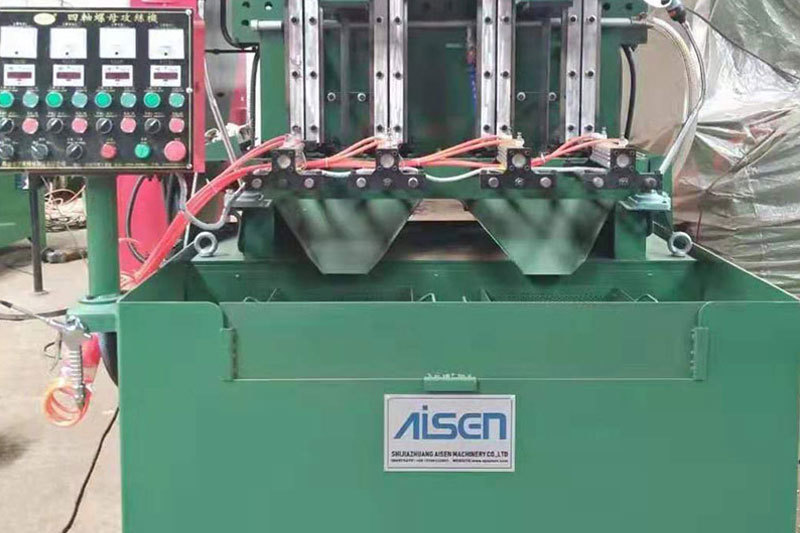
AISEN Four axis nut tapping machine ready for shipment to Russia
Four axis nut tapping machine for DIN934 M8,M10 Standard hex nut is ready for shipping to Russia by land transportation.
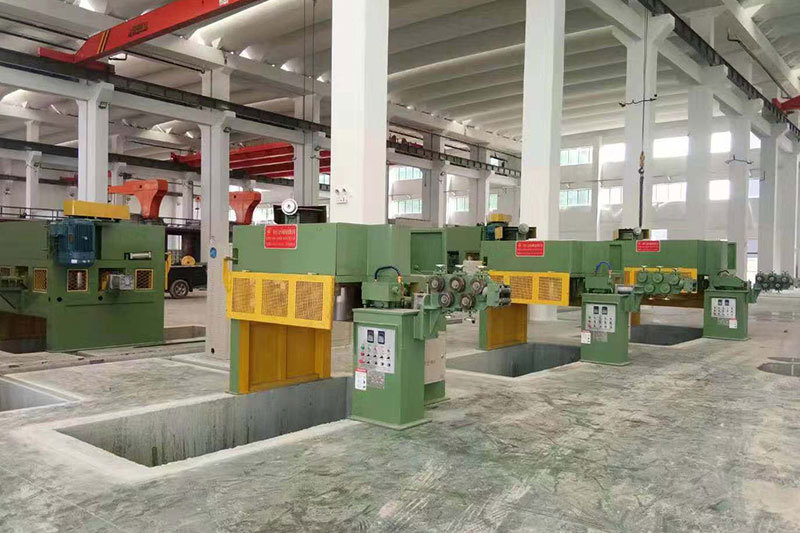
AISEN machinery inverted wire drawing machine
We hope to cooperate with more customers for mutual development and benefits. You are welcome to contact us
MESSAGES
We will contact you within one working day. Please pay attention to your email.
Qucik Link
Contact
Phone: +86-15100123091
E-mail: info@sjzaisen.com
Address: No.41 Zhaiying South Street, Yuhua District, Shijiazhuang City, Hebei Province China