

Double Head Chamfering Machines: Revolutionizing Metal Fabrication Processes
Apr 27,2026


Author:
Summary:
Double Head Chamfering Machines: A Game Changer for Metal Fabrication
Introduction to Double Head Chamfering Machines
In the modern landscape of **metal fabrication**, efficiency and precision are paramount. **Double head chamfering machines** have emerged as essential tools in this realm, propelling productivity while ensuring high-quality finishes. These machines are designed to bevel the edges
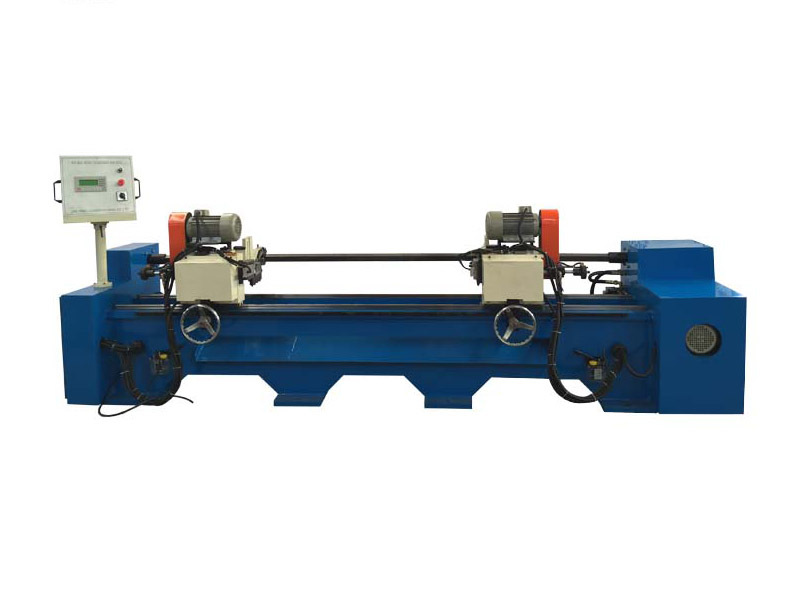
Double Head Chamfering Machines: A Game Changer for Metal Fabrication
Introduction to Double Head Chamfering Machines
In the modern landscape of **metal fabrication**, efficiency and precision are paramount. **Double head chamfering machines** have emerged as essential tools in this realm, propelling productivity while ensuring high-quality finishes. These machines are designed to bevel the edges of metal components, enhancing their aesthetic and functional properties.
As industries evolve, the demand for robust, reliable, and efficient machinery has skyrocketed. **Double head chamfering machines** offer distinct advantages over traditional methods, streamlining processes and reducing waste. This article dives deep into the specifications, benefits, and applications of these machines, highlighting why they are truly a game changer in manufacturing.
Understanding Chamfering in Metal Fabrication
What is Chamfering?
Chamfering refers to the process of creating a beveled edge or corner on a workpiece. This technique is fundamental in metal fabrication, as it can enhance both the **safety** and **performance** of components. By removing sharp edges, chamfering reduces the risk of injury during handling and assembly.
The Role of Double Head Chamfering Machines
Double head chamfering machines are engineered to perform chamfering operations simultaneously on two edges of a workpiece. This dual-action capability significantly increases output while maintaining consistent quality. Most machines are equipped with adjustable settings to accommodate varying material thicknesses and chamfer widths, ensuring versatility across different applications.
Key Features of Double Head Chamfering Machines
1. Enhanced Efficiency
The dual-head design allows for simultaneous processing, which drastically cuts down on cycle times. For manufacturers looking to optimize production lines, this feature alone can yield remarkable time savings.
2. Precision Engineering
These machines are built with **high-precision cutting tools** that ensure consistent and accurate results. The advanced CNC (Computer Numerical Control) systems enable operators to program complex chamfer angles with ease.
3. Versatile Material Handling
Double head chamfering machines can process various materials, including steel, aluminum, and composite materials. This versatility makes them suitable for a wide array of industries, from automotive to aerospace.
4. User-Friendly Interface
Most modern machines come with intuitive control panels, simplifying operation for users of all skill levels. This ease of use reduces training time and enhances productivity across the workforce.
5. Safety Features
Safety is a critical consideration in any manufacturing setting. Double head chamfering machines are equipped with safety guards and emergency shut-off features to protect operators during operation.
Benefits of Using Double Head Chamfering Machines
1. Increased Productivity
With the ability to process multiple edges simultaneously, double head chamfering machines drastically increase output. This higher productivity translates directly into lower manufacturing costs and improved profit margins.
2. Cost-Effective Manufacturing
By reducing cycle times and labor costs, these machines offer a cost-effective solution for manufacturers. The precision cutting also minimizes material waste, further enhancing profitability.
3. Improved Quality Assurance
Consistency in chamfer size and angle is vital for ensuring the quality of fabricated components. Double head chamfering machines deliver uniform results, which can significantly reduce the risk of defects in the final product.
4. Enhanced Flexibility
Operators can quickly adjust settings to accommodate different materials and production runs. This flexibility allows factories to respond rapidly to changing demands without sacrificing quality.
5. Longer Tool Life
The advanced technology used in double head chamfering machines often results in reduced wear on cutting tools. This longevity translates into lower maintenance and replacement costs.
Applications of Double Head Chamfering Machines
1. Automotive Industry
In the automotive sector, double head chamfering machines are crucial for preparing metal parts used in engines, transmissions, and structural components. The precision and speed offered by these machines are necessary to meet stringent industry standards.
2. Aerospace Manufacturing
The aerospace industry demands the highest levels of accuracy and quality. Double head chamfering machines provide the reliability needed for components that must withstand extreme conditions.
3. Construction and Architecture
Metal fabricators in the construction industry utilize chamfering machines to prepare structural steel and other components, ensuring safety and compliance with building codes.
4. Shipbuilding
In shipbuilding, where metallic components are exposed to harsh marine environments, chamfering is essential for preventing corrosion and ensuring structural integrity.
5. General Fabrication Shops
Small to medium-sized fabrication shops benefit significantly from the versatility of double head chamfering machines, which can handle various projects and materials.
Choosing the Right Double Head Chamfering Machine
1. Assess Your Needs
Before purchasing, evaluate the specific needs of your business. Consider the types of materials you will be working with, the volume of production, and the required chamfer specifications.
2. Evaluate Machine Specifications
Review the technical specifications of various models, including the motor power, cutting speed, and range of adjustable angles. Ensure the machine can meet your production requirements.
3. Consider Brand Reputation
Investing in reputable brands ensures you receive quality machinery backed by customer support and warranty services. Research reviews and testimonials from other users in the industry.
4. Look for Advanced Features
Consider models with advanced features such as CNC technology, automatic tool changers, and user-friendly interfaces that can enhance operation and efficiency.
5. Cost vs. Quality
While budget is a critical factor, prioritize quality over cost. A more expensive machine that offers better performance and durability will ultimately save you money in the long run.
Maintaining Your Double Head Chamfering Machine
1. Regular Cleaning and Lubrication
Routine maintenance is key to extending the life of your machine. Regular cleaning and lubrication of moving parts will prevent wear and tear, ensuring smooth operation.
2. Software Updates
For machines using CNC technology, keeping software updated is vital. Manufacturers often release updates that improve performance and add new capabilities.
3. Scheduled Inspections
Establish a schedule for regular inspections and servicing. This proactive approach can help identify potential issues before they escalate, minimizing downtime.
4. Operator Training
Invest in training for operators to ensure they are familiar with the machine's features and best practices. A well-trained operator can significantly reduce the risk of errors and accidents.
FAQs about Double Head Chamfering Machines
1. What are the primary advantages of double head chamfering machines over single head models?
Double head machines offer increased productivity, as they can process two edges simultaneously, reducing cycle times and labor costs.
2. Can double head chamfering machines handle various material types?
Yes, they are designed to work with different materials, including steel, aluminum, and composites, making them versatile for various applications.
3. How do I maintain a double head chamfering machine?
Regular cleaning, lubrication, software updates, and scheduled inspections are essential for maintaining optimal performance and longevity.
4. What industries benefit most from double head chamfering machines?
Industries such as automotive, aerospace, construction, shipbuilding, and general fabrication all benefit from the efficiency and precision of these machines.
5. Are there any safety concerns associated with using double head chamfering machines?
Like any machinery, safety is a priority. Ensure operators are trained and follow safety protocols, including using safety guards and emergency shut-off features.
Conclusion
Double head chamfering machines are undeniably revolutionizing the metal fabrication industry. Their ability to enhance productivity, reduce costs, and ensure high-quality finishes makes them indispensable in today’s manufacturing environments. By understanding their features, benefits, and applications, businesses can make informed decisions about incorporating these machines into their production lines. As the demand for efficient and precise manufacturing continues to grow, embracing the capabilities of double head chamfering machines is a strategic move that can propel any metal fabrication business into the future.
Get A Quote
We will contact you within one working day. Please pay attention to your email.
Latest News
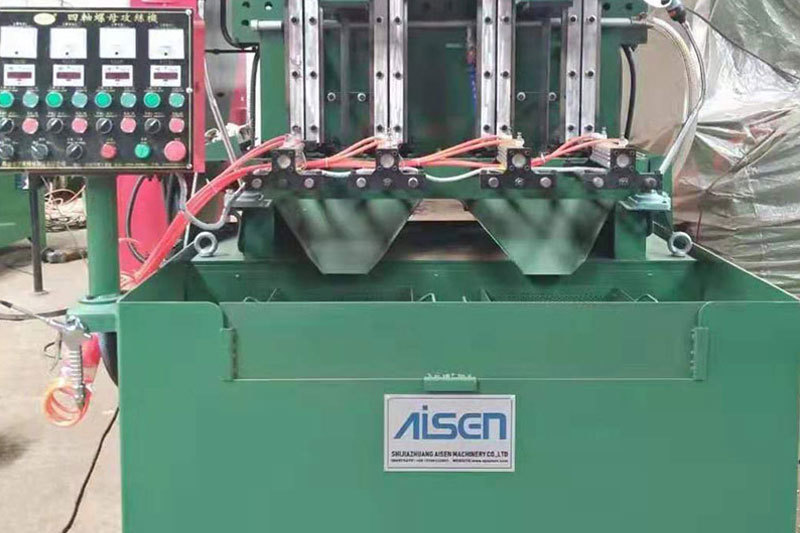
AISEN Four axis nut tapping machine ready for shipment to Russia
Four axis nut tapping machine for DIN934 M8,M10 Standard hex nut is ready for shipping to Russia by land transportation.
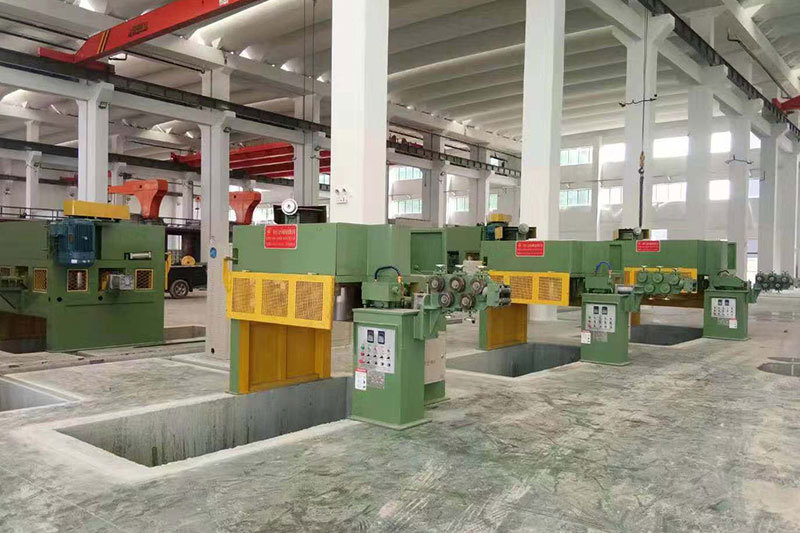
AISEN machinery inverted wire drawing machine
We hope to cooperate with more customers for mutual development and benefits. You are welcome to contact us
MESSAGES
We will contact you within one working day. Please pay attention to your email.
Qucik Link
Contact
Phone: +86-15100123091
E-mail: info@sjzaisen.com
Address: No.41 Zhaiying South Street, Yuhua District, Shijiazhuang City, Hebei Province China