

Unlocking the Potential of CNC Thread Rolling Machines in Modern Manufacturing
Apr 29,2026


Summary:
CNC (Computer Numerical Control) thread rolling machines are essential tools in the manufacturing industry, particularly for producing high-precision threaded components. These machines utilize a cold forming process to create threads on various materials, transforming them into the required shapes without cutting away any material. This method not only enhances the strength of the components but
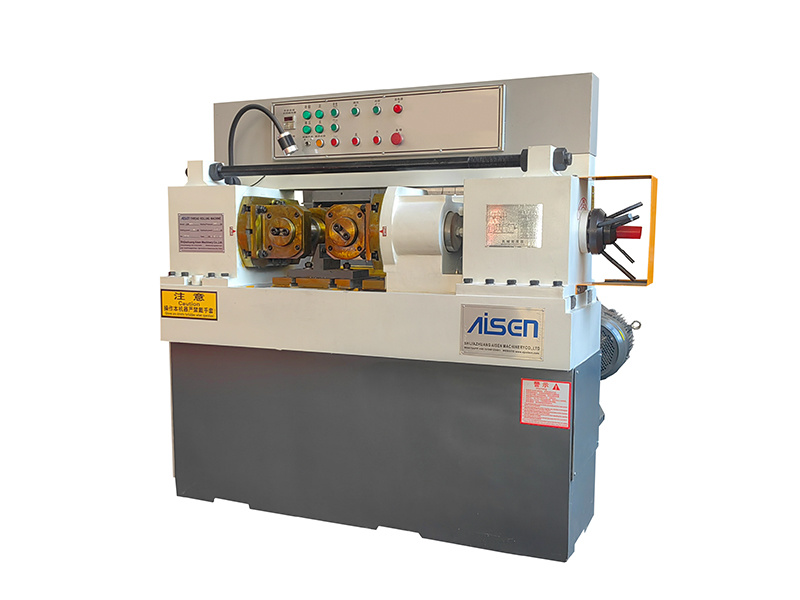
CNC (Computer Numerical Control) thread rolling machines are essential tools in the manufacturing industry, particularly for producing high-precision threaded components. These machines utilize a cold forming process to create threads on various materials, transforming them into the required shapes without cutting away any material. This method not only enhances the strength of the components but also reduces production waste.
One of the primary advantages of CNC thread rolling machines is their ability to produce threads with superior accuracy. The CNC technology allows for precise control over the rolling process, ensuring that the dimensions and tolerances meet strict specifications. This level of precision is crucial for industries such as automotive, aerospace, and electronics, where threaded components must fit perfectly to ensure functionality and safety.
Another significant benefit is the increased efficiency these machines offer. CNC thread rolling machines can operate at high speeds, significantly reducing cycle times compared to traditional threading methods. This efficiency translates into higher production rates and lower labor costs, making it an attractive option for manufacturers looking to optimize their operations. Additionally, the durability of the rolled threads means that they often have a longer lifespan, reducing the need for rework and replacement.
CNC thread rolling machines are also versatile and can handle a wide range of materials, including metals like steel, aluminum, and brass, as well as various plastics. This versatility allows manufacturers to diversify their product offerings and cater to different market demands. The machines can also be programmed to create different thread profiles, further expanding their usability.
Moreover, the cold rolling process generates less heat compared to traditional machining methods, which often leads to a reduction in thermal distortion. This is particularly important for maintaining the integrity of the materials being processed. The minimized heat generation also means that there's less wear on the machine, contributing to lower maintenance costs over time.
In summary, CNC thread rolling machines represent a valuable investment for manufacturers seeking to enhance their production capabilities. By offering improved precision, efficiency, and versatility, these machines can help companies meet the growing demands of the marketplace while maintaining high-quality standards. As the manufacturing landscape continues to evolve, integrating CNC technology into production processes will be key to staying competitive and achieving long-term success.
One of the primary advantages of CNC thread rolling machines is their ability to produce threads with superior accuracy. The CNC technology allows for precise control over the rolling process, ensuring that the dimensions and tolerances meet strict specifications. This level of precision is crucial for industries such as automotive, aerospace, and electronics, where threaded components must fit perfectly to ensure functionality and safety.
Another significant benefit is the increased efficiency these machines offer. CNC thread rolling machines can operate at high speeds, significantly reducing cycle times compared to traditional threading methods. This efficiency translates into higher production rates and lower labor costs, making it an attractive option for manufacturers looking to optimize their operations. Additionally, the durability of the rolled threads means that they often have a longer lifespan, reducing the need for rework and replacement.
CNC thread rolling machines are also versatile and can handle a wide range of materials, including metals like steel, aluminum, and brass, as well as various plastics. This versatility allows manufacturers to diversify their product offerings and cater to different market demands. The machines can also be programmed to create different thread profiles, further expanding their usability.
Moreover, the cold rolling process generates less heat compared to traditional machining methods, which often leads to a reduction in thermal distortion. This is particularly important for maintaining the integrity of the materials being processed. The minimized heat generation also means that there's less wear on the machine, contributing to lower maintenance costs over time.
In summary, CNC thread rolling machines represent a valuable investment for manufacturers seeking to enhance their production capabilities. By offering improved precision, efficiency, and versatility, these machines can help companies meet the growing demands of the marketplace while maintaining high-quality standards. As the manufacturing landscape continues to evolve, integrating CNC technology into production processes will be key to staying competitive and achieving long-term success.
PREVIOUS:
Latest News
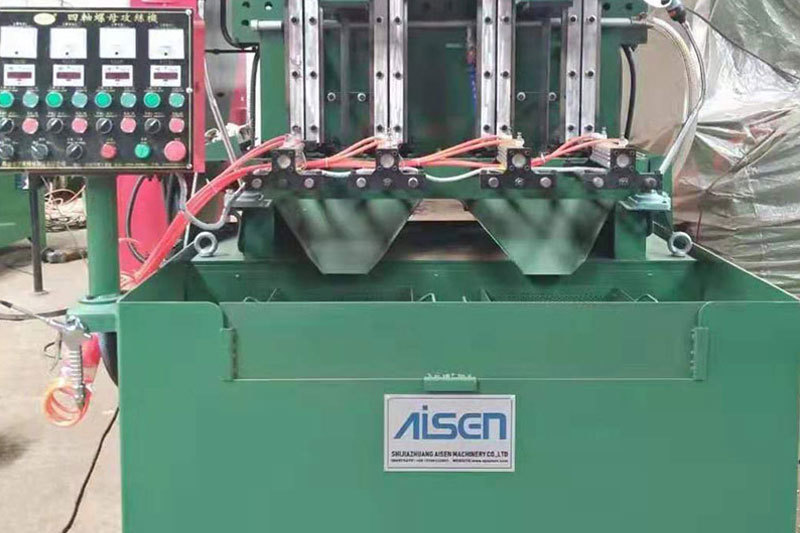
AISEN Four axis nut tapping machine ready for shipment to Russia
Four axis nut tapping machine for DIN934 M8,M10 Standard hex nut is ready for shipping to Russia by land transportation.
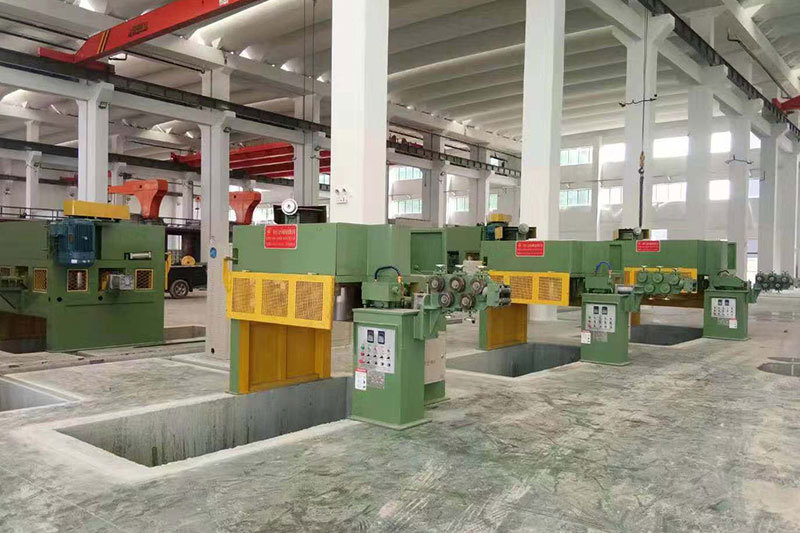
AISEN machinery inverted wire drawing machine
We hope to cooperate with more customers for mutual development and benefits. You are welcome to contact us
MESSAGES
We will contact you within one working day. Please pay attention to your email.
Qucik Link
Contact
Phone: +86-15100123091
E-mail: info@sjzaisen.com
Address: No.41 Zhaiying South Street, Yuhua District, Shijiazhuang City, Hebei Province China