

Troubleshooting Common Issues with Chamfering Machines: Expert Solutions for Optimal Performance
Jan 05,2026


Author:
Summary:
Troubleshooting Common Issues with Chamfering Machines
Introduction: Understanding Chamfering Machines
Chamfering machines are essential tools in manufacturing, particularly in creating beveled edges on metal, wood, and plastics. These machines ensure that parts fit together easily and that sharp edges are removed for safety purposes. Despite their robustness, like any mechanical device, chamferin
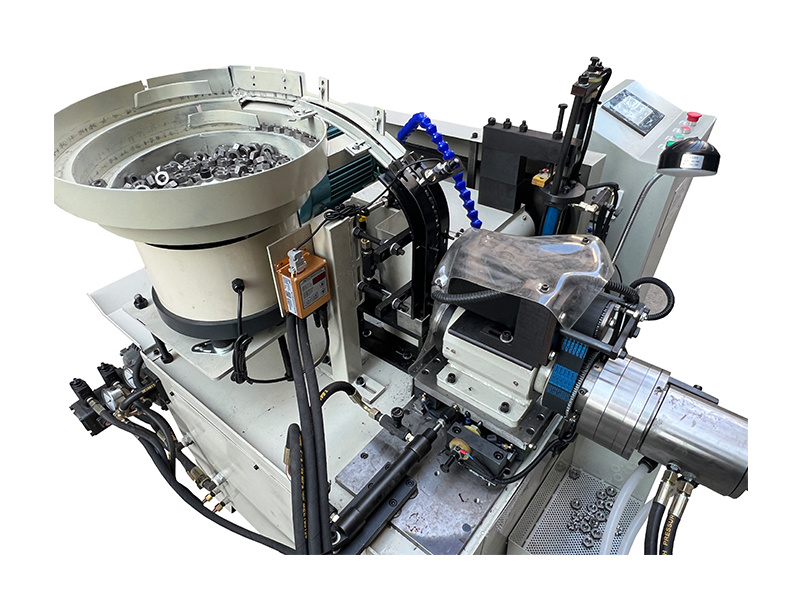
Troubleshooting Common Issues with Chamfering Machines
Introduction: Understanding Chamfering Machines
Chamfering machines are essential tools in manufacturing, particularly in creating beveled edges on metal, wood, and plastics. These machines ensure that parts fit together easily and that sharp edges are removed for safety purposes. Despite their robustness, like any mechanical device, chamfering machines can face operational challenges. In this article, we will delve into common issues that may arise, provide detailed troubleshooting methods, and offer tips for maintaining these electric tools.
Table of Contents
- Common Issues Faced with Chamfering Machines
- Identifying Problems with Chamfering Machines
- Troubleshooting Alignment Issues
- Addressing Motor Failures in Chamfering Machines
- Dealing with Tool Wear and Tear
- Power Supply Issues and Solutions
- Managing Excessive Vibration and Noise
- Essential Maintenance Tips for Chamfering Machines
- Frequently Asked Questions
Common Issues Faced with Chamfering Machines
Chamfering machines can encounter several problems during operation. Understanding these issues can help operators address them promptly, ensuring minimal downtime. Common problems include:
- **Misalignment of Workpieces**: Improper alignment can lead to uneven chamfering.
- **Inconsistent Cutting Performance**: This can result from dull tools or incorrect speed settings.
- **Motor Overheating**: Continuous use without proper breaks can cause motors to overheat, leading to performance issues.
- **Electrical Failures**: Issues with the power supply can disrupt operations drastically.
Identifying Problems with Chamfering Machines
Effective troubleshooting begins with identifying the symptoms of the problem. Here are some steps for diagnosing issues:
1. **Visual Inspection**: Look for obvious signs of wear such as cracks, rust, or damage.
2. **Listen for Unusual Sounds**: Grinding, squeaking, or irregular sounds can indicate mechanical failure.
3. **Check for Vibration Levels**: Excessive vibration may signal misalignment or tool wear.
4. **Evaluate Output Quality**: Inconsistencies in the chamfered edge can point to tool problems or incorrect settings.
Troubleshooting Alignment Issues
Misalignment is a common issue that can severely affect the quality of chamfering. Here are steps to troubleshoot:
- **Check Workpiece Placement**: Ensure that the workpiece is securely fastened and correctly positioned on the table.
- **Adjust Vise and Clamps**: Ensure that vise or clamps are correctly aligned and not worn out.
- **Inspect the Machine's Bed**: The bed should be level; any warping can lead to misalignment.
- **Use Calibration Tools**: Employ tools like an alignment bar to verify the accuracy of the machine setup.
Addressing Motor Failures in Chamfering Machines
Motor failures can halt operations completely. Here’s how to troubleshoot:
- **Inspect Wiring and Connections**: Loose or frayed wires can interrupt power flow.
- **Monitor Motor Temperature**: If the motor is overheating, allow it to cool before continuing use.
- **Test Electrical Components**: Use a multimeter to check for voltage discrepancies.
- **Replace Fuses**: If the machine does not turn on, a blown fuse may be the culprit.
Dealing with Tool Wear and Tear
Dull or worn-out tools can lead to subpar chamfering. Here’s how to manage this issue:
- **Regular Inspections**: Frequently inspect tools for wear, replacing them as necessary.
- **Sharpening Tools**: Use appropriate sharpening techniques to extend tool life.
- **Select the Right Tooling**: Ensure the tools are suitable for the material being chamfered.
- **Maintain Proper Speed Settings**: Incorrect speeds can exacerbate tool wear.
Power Supply Issues and Solutions
A stable power supply is crucial for the effective operation of chamfering machines. Here’s how to troubleshoot power-related issues:
- **Check Power Source**: Ensure that the outlet is functioning and providing the correct voltage.
- **Inspect Cables**: Look for damage in power cords; replace if necessary to prevent shorts.
- **Use Surge Protectors**: These can prevent damage from electrical surges.
- **Regular Maintenance**: Schedule regular checks on the electrical systems of the machine.
Managing Excessive Vibration and Noise
Excessive vibration and noise are not only annoying but can indicate serious issues. Address these concerns by:
- **Ensuring Proper Mounting**: Check that the machine is firmly installed on a stable surface.
- **Balancing Tools**: Unbalanced cutting tools can create excess vibration, ensure they are calibrated correctly.
- **Lubrication**: Regularly lubricate moving parts to reduce friction and noise.
- **Damping Materials**: Consider using vibration-damping pads under the machine for further mitigation.
Essential Maintenance Tips for Chamfering Machines
Preventive maintenance is the best way to ensure the longevity and durability of your chamfering machine. Here's a maintenance checklist:
- **Regular Cleaning**: Remove debris and dust from the machine after each use.
- **Lubricate Moving Parts**: Apply lubricants to reduce wear on mechanical components.
- **Scheduled Inspections**: Conduct thorough inspections at regular intervals.
- **Document Maintenance Activities**: Keep records of maintenance activities for tracking performance.
Frequently Asked Questions
What should I do if my chamfering machine is not starting?
Check the power source, inspect cables for damage, and ensure all switches are in the correct position. If these basic checks do not resolve the issue, consider testing the motor.
How often should I sharpen my chamfering tools?
The frequency of sharpening depends on usage; however, inspect tools regularly for wear and sharpen them as needed to maintain quality performance.
Why is my chamfering machine producing uneven edges?
Uneven edges can result from misalignment, dull tools, or incorrect machine settings. Ensure that the workpiece is correctly aligned and inspect the tools for wear.
What type of lubrication should I use for a chamfering machine?
Use high-quality machine oil or grease suitable for the specific components of your machine. Always refer to the manufacturer’s recommendations.
Can I perform maintenance on my chamfering machine myself?
Yes, many maintenance tasks such as cleaning and lubricating can be performed by operators. However, for complex issues, it's advisable to consult a professional technician.
Conclusion
Troubleshooting common issues with chamfering machines is essential for maintaining optimal performance and longevity. By understanding potential problems and implementing systematic troubleshooting methods, operators can quickly restore functionality. Regular maintenance, combined with proactive inspections, will not only enhance the efficiency of chamfering machines but also contribute to the overall quality of production. Following the detailed guidelines in this article will empower you to tackle any challenges effectively, ensuring your electric chamfering tools serve you well for years to come.
Get A Quote
We will contact you within one working day. Please pay attention to your email.
Latest News
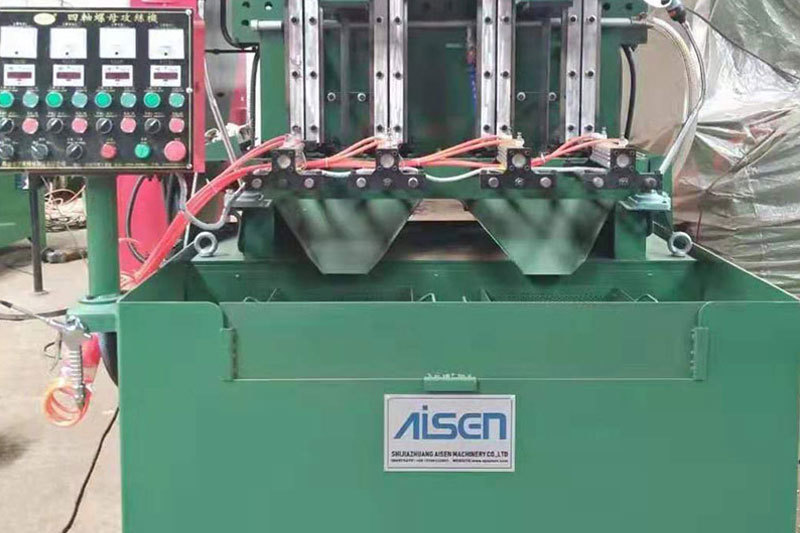
AISEN Four axis nut tapping machine ready for shipment to Russia
Four axis nut tapping machine for DIN934 M8,M10 Standard hex nut is ready for shipping to Russia by land transportation.
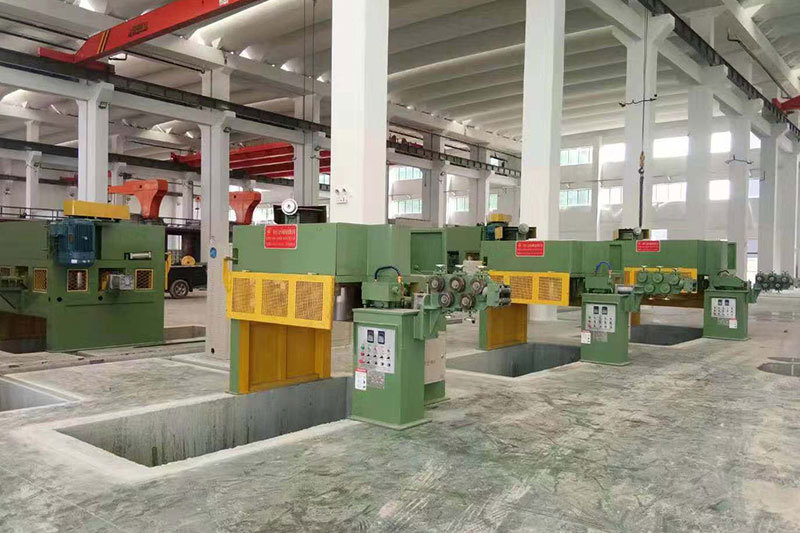
AISEN machinery inverted wire drawing machine
We hope to cooperate with more customers for mutual development and benefits. You are welcome to contact us
MESSAGES
We will contact you within one working day. Please pay attention to your email.
Qucik Link
Contact
Phone: +86-15100123091
E-mail: info@sjzaisen.com
Address: No.41 Zhaiying South Street, Yuhua District, Shijiazhuang City, Hebei Province China